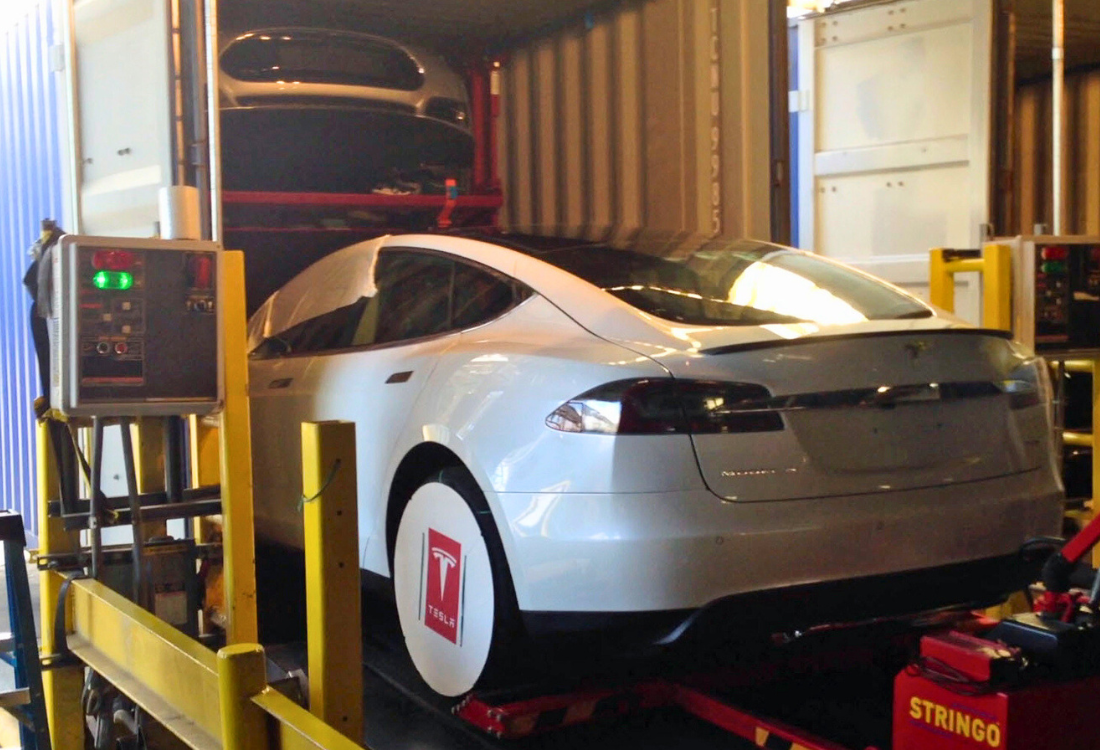
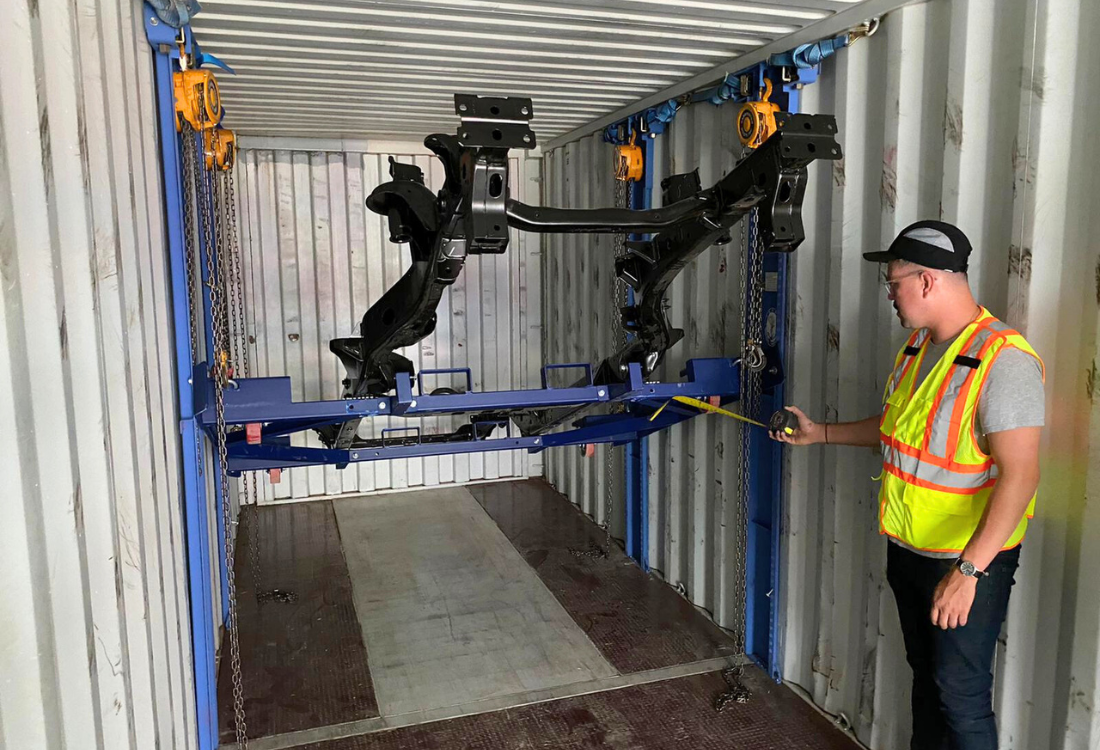
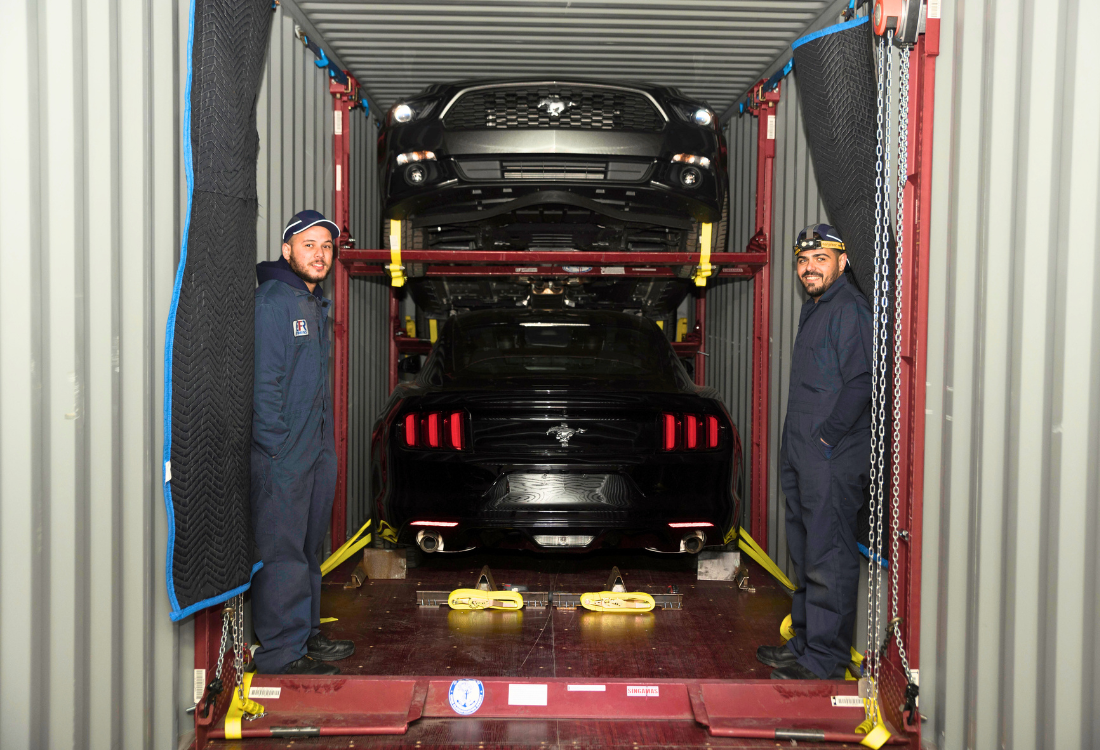
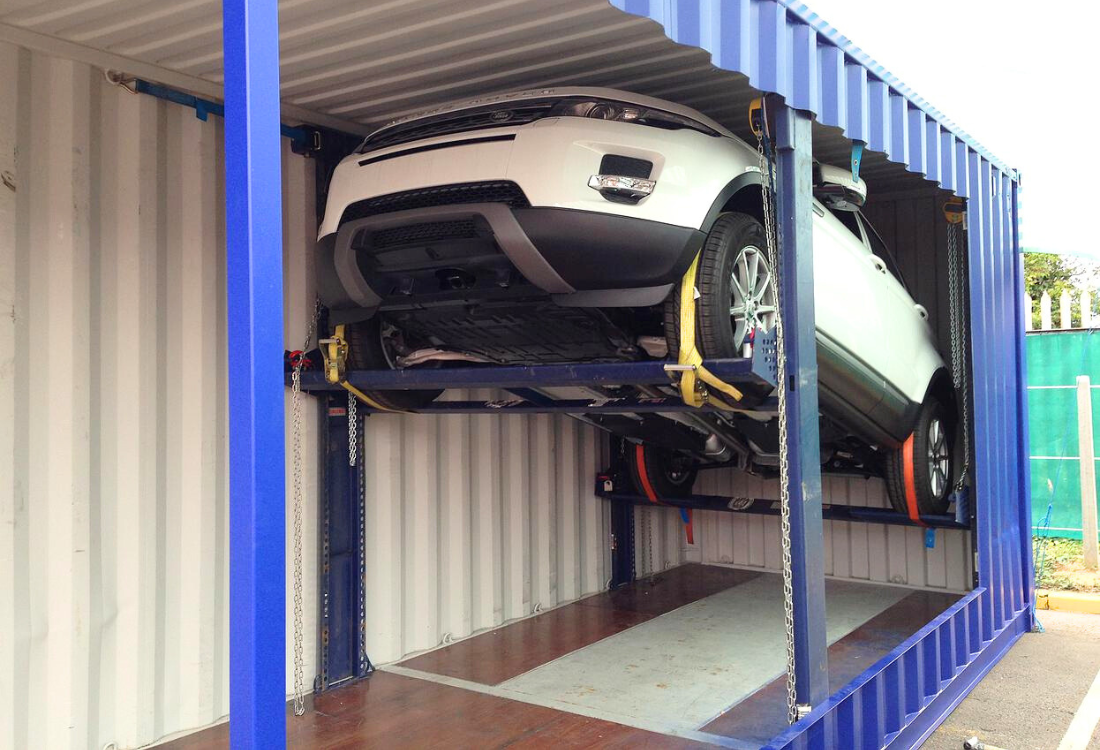
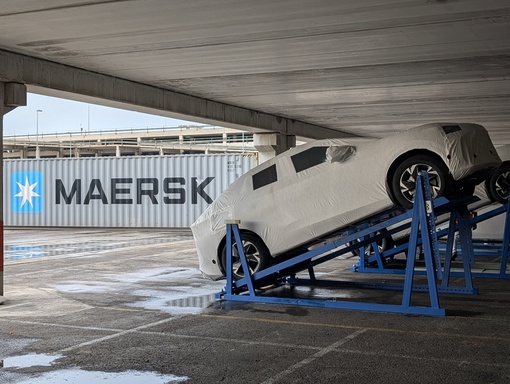
Global vehicle transportation continues to develop, particularly as OEMs diversify their products and strategies across regional and national plants, knockdown facilities, and final assembly hubs. Flows now mix fully built units (FBU), with semi-knocked down (SKD) and completely knocked down (CKD) kits, creating a more complex outbound logistics landscape. Each format introduces different engineering complexities, handling requirements, and exposure risks that must be managed throughout the shipping process. In this article, we look at five of the most persistent challenges in modern automotive transport, as well as practical ways to mitigate them across FBU, SKD, and CKD routes.
NEWS BLOG
Wesley Payne
Recent Posts
Top 5 Challenges in Vehicle Shipping and How to Overcome Them
From Factory to Destination: The Journey of a Vehicle in Transit
Every vehicle leaves the production line in a tightly controlled environment, but its first true engineering test begins the moment it enters the outbound logistics chain. For businesses overseeing automotive transport, the challenge is to maintain these factory-level standards throughout a sequence of handling events, modal transfers, and environmental conditions that were never part of the original design brief. Understanding this full car transport journey, not just as a logistics process but as an engineering stress cycle, is essential for safeguarding quality throughout long-distance vehicle transportation.
How Automotive Logistics is Evolving with Modular Racking Solutions
The continuing growth of electric vehicle (EV) exports has added a new layer of complexity to global vehicle transportation, reshaping how businesses evaluate route safety, planning strategies, and handling procedures. Unlike internal combustion engine (ICE) vehicles, EVs include engineering and safety considerations that extend beyond the cosmetic damage concerns traditionally associated with transporting cars. Battery integrity, underbody clearance, weight distribution, and consistent environmental conditions now play a central role in determining which transport methods are best suited for long-distance movements.
International Car Shipping in 2026: What You Need to Know
International car transport shipping has always been shaped by practical limitations: variable port infrastructure, inconsistent handling standards, and long dwell times that extend the vehicles’ exposure to risk. In recent years, geopolitical instability and uncertainty have extended this list – a situation that is unlikely to change in 2026. These factors create a conundrum for businesses overseeing global outbound flows: how to keep supply chains stable while local conditions shift. Also, as supply chains widen and new production hubs emerge (e.g. in Indonesia and South America), the challenges facing international car shipping have become more complex, and the solutions more varied.
Enclosed Car Transport Explained: Why Containerised Shipping Is the Gold Standard for Vehicle Safety
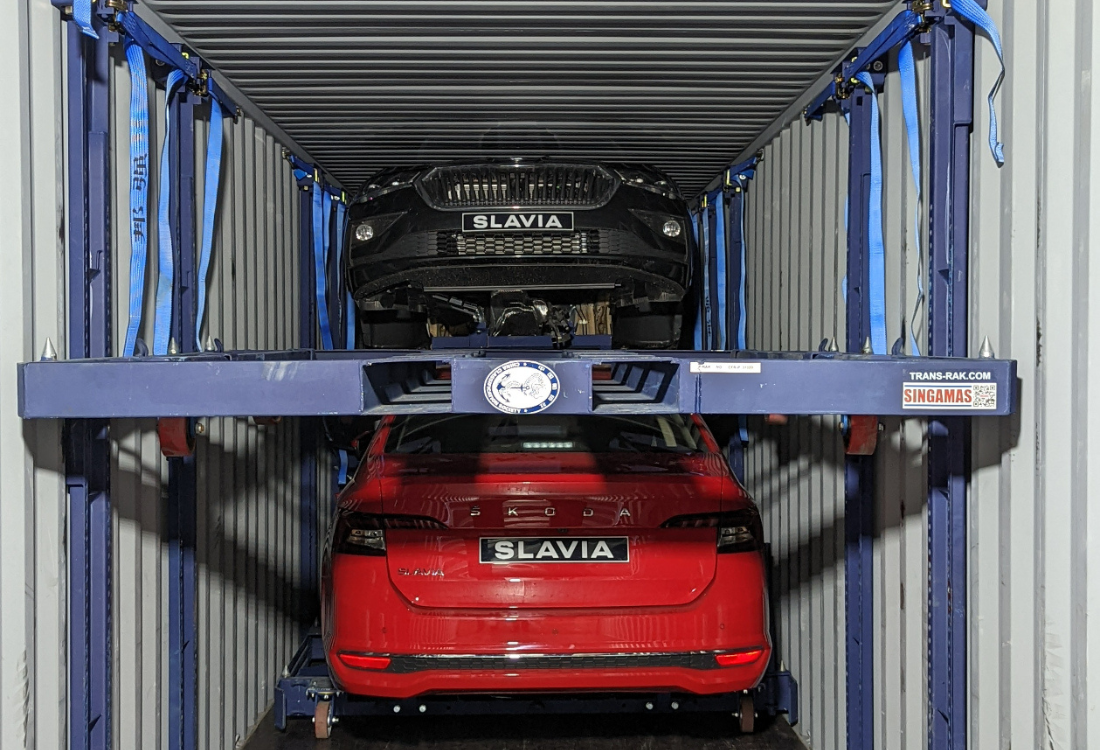
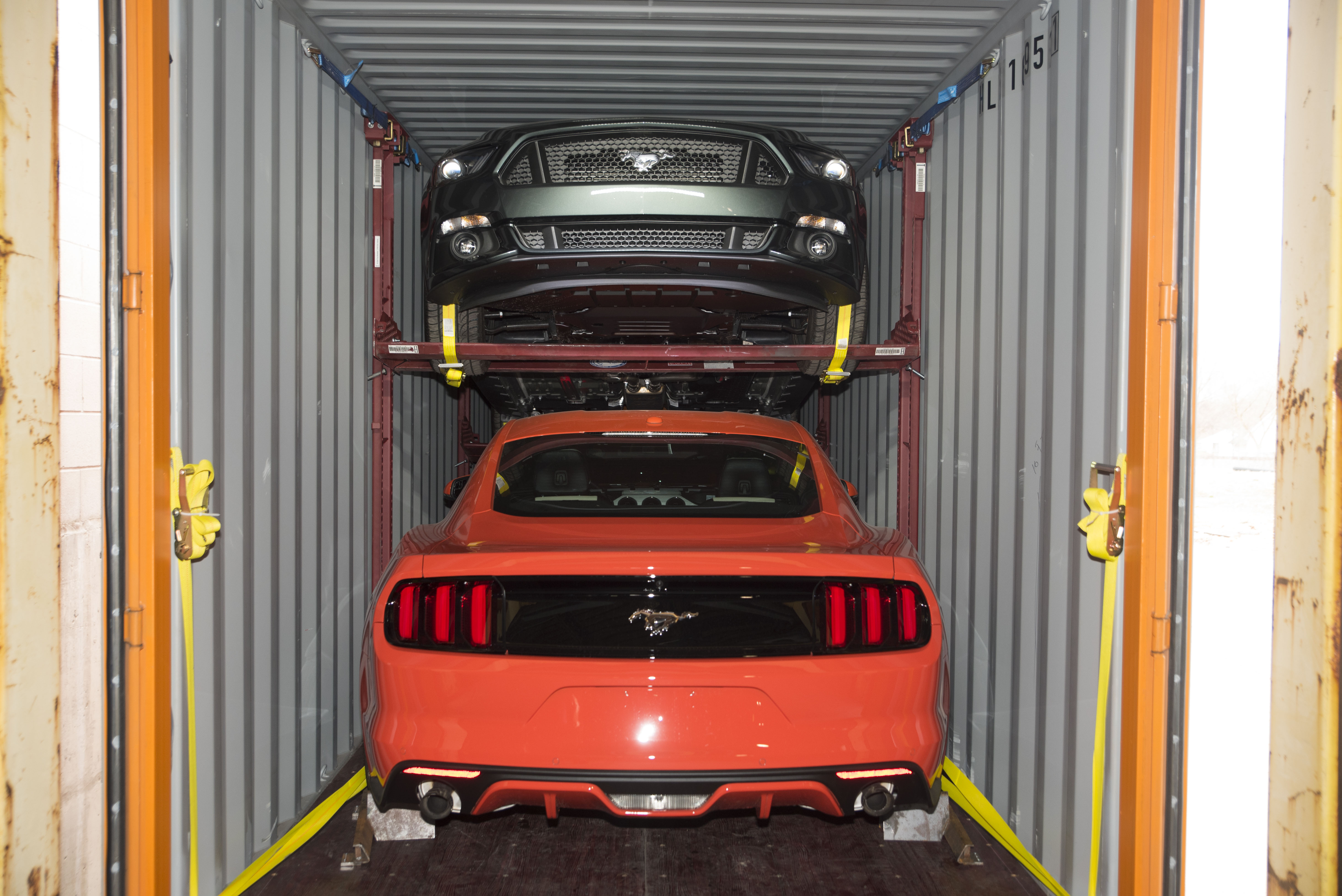
For project managers working in the finished vehicle logistics sector, choosing the right transport method is rarely a simple matter of cost comparison. Decisions must balance a range of factors; price, certainly, but also safety, route complexity, handling requirements, and the real-world constraints of global supply chains. Within this context, enclosed car transport is an important strategy for damage reduction and predictable delivery performance, particularly as international vehicle flows become more dispersed and high value units are moved through longer, multimodal routes.
Read MoreCar Racks And Containers: The Perfect Combination For Sustainable Global Vehicle Shipping
As the logistics industry seeks greener and more efficient solutions to global shipping, containerised vehicle transport is increasingly taking the spotlight. Pairing car racks with shipping containers is a marriage made in heaven, giving automotive manufacturers and logistics businesses a powerful way of meeting the demands of global vehicle shipping while enhancing sustainability at the same time.
Read MoreGlobal Shipping Industry Update: Cloudy Horizons Or Positive Outlook for Q3 & Q4 2025?
The global shipping industry faces a crossroads in summer 2025. Rising demand has increased pressure on established supply chains, while ongoing tariff uncertainties and container shortages are forcing operators to raise questions about prices and availability.
Read MoreBest Practices For Handling EV Batteries During Shipping
The electric and hybrid vehicle revolution has transformed the way that consumers purchase and operate cars, and has also posed significant challenges for automotive businesses.
Read MoreCar Loading In Containers: 5 Tips For Safe And Efficient Vehicle Management
Car loading in containers has become an increasingly common solution for businesses looking to streamline their vehicle logistics operation.
Read MoreHow Trade Uncertainty Is Impacting Finished Vehicle Logistics Supply Chains
Global trade is in flux in 2025, and the finished vehicle Logistics (FVL) sector is feeling the strain.
Read More