Europe’s finished vehicle logistics (FVL) sector has entered a challenging phase. Since 2020, flat production volumes, limited vessel capacity, and ongoing price pressures are creating bottlenecks across the supply chain; from factories to final delivery. For British car transporters, these trends signal a period that demands sharper operational efficiency and the smarter use of equipment such as steel car racking and modular finished vehicle logistics racking systems. Let’s take a look at the reasons behind these market changes and what they could mean for your operation.

Rising costs, flat volumes
After a fleetingly brief post-pandemic rebound, vehicle output across most of the EU has slowed down again. Economic uncertainty, material shortages, and subdued consumer confidence have all tempered production forecasts. Meanwhile, international logistics costs, from insurance and energy to drivers’ wages, remain high. The result is a squeeze on margins for carriers, OEMs, and logistics providers alike.
Traditional open transporters and chartered vessel networks are also operating at capacity limits across the continent, while freight rates have risen. For smaller and mid-sized operators based in the UK, therefore, the challenge is to balance utilisation with flexibility: moving vehicles efficiently without over-committing to static infrastructure.
The shift towards ‘smarter’ equipment and why it matters
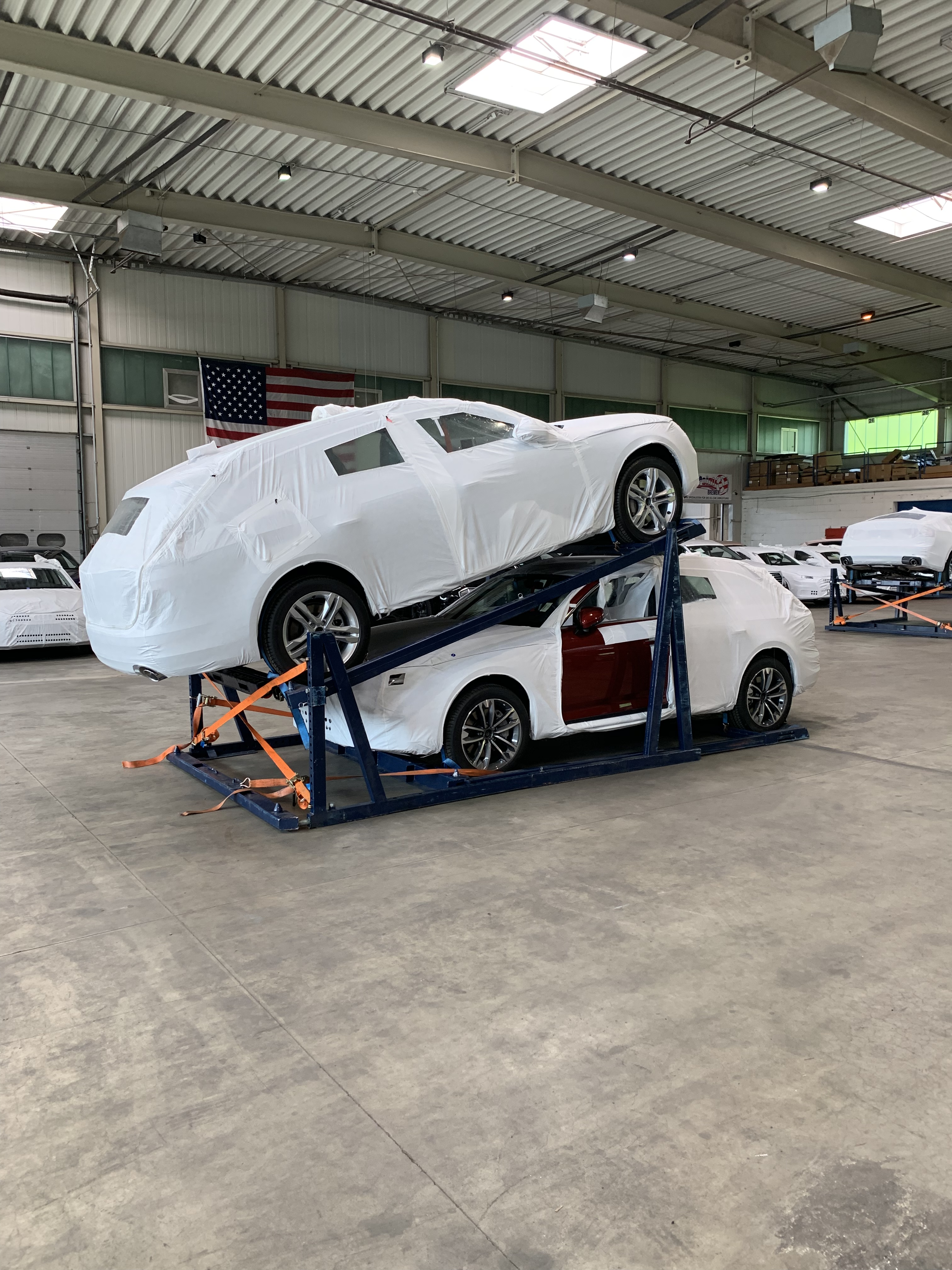
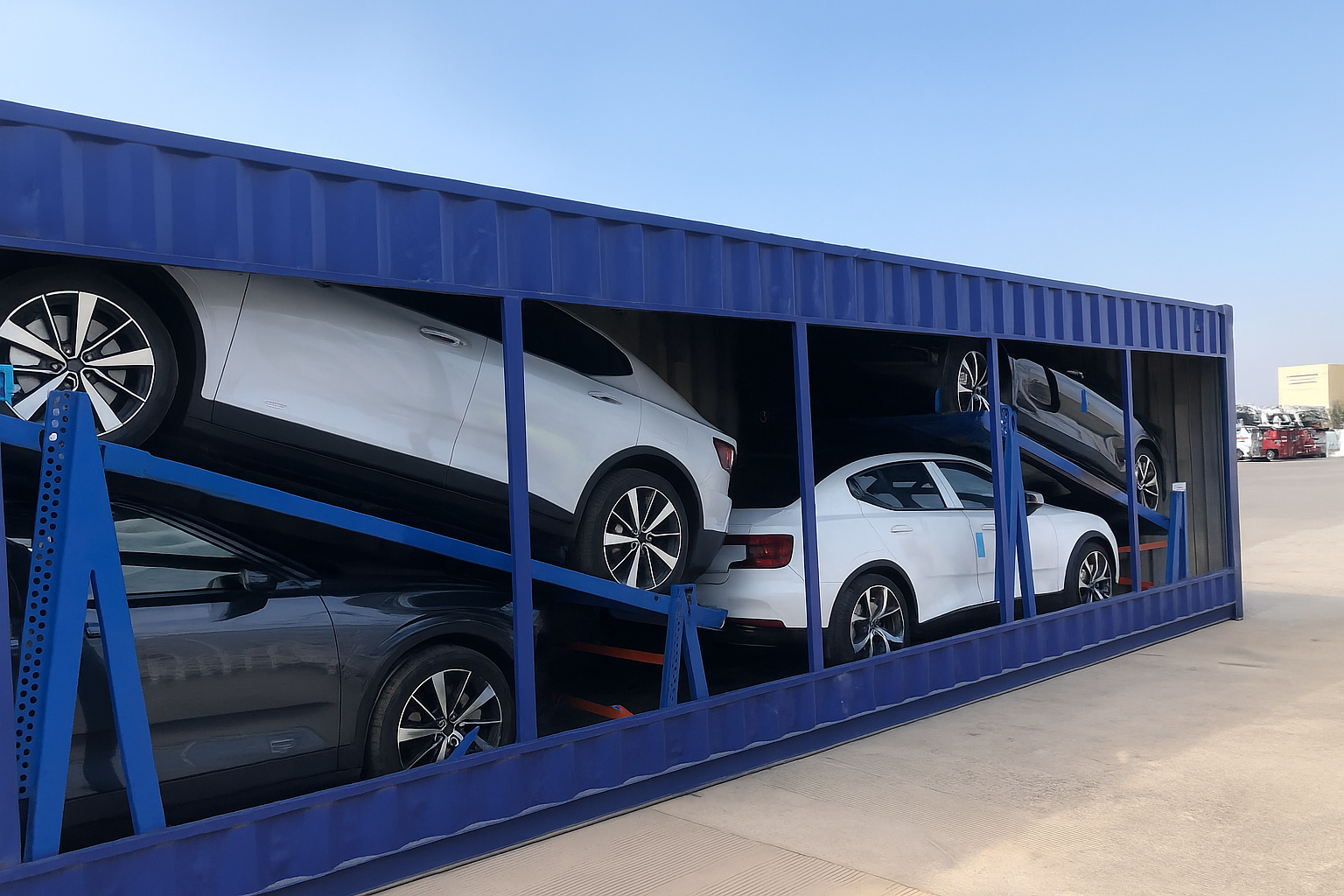
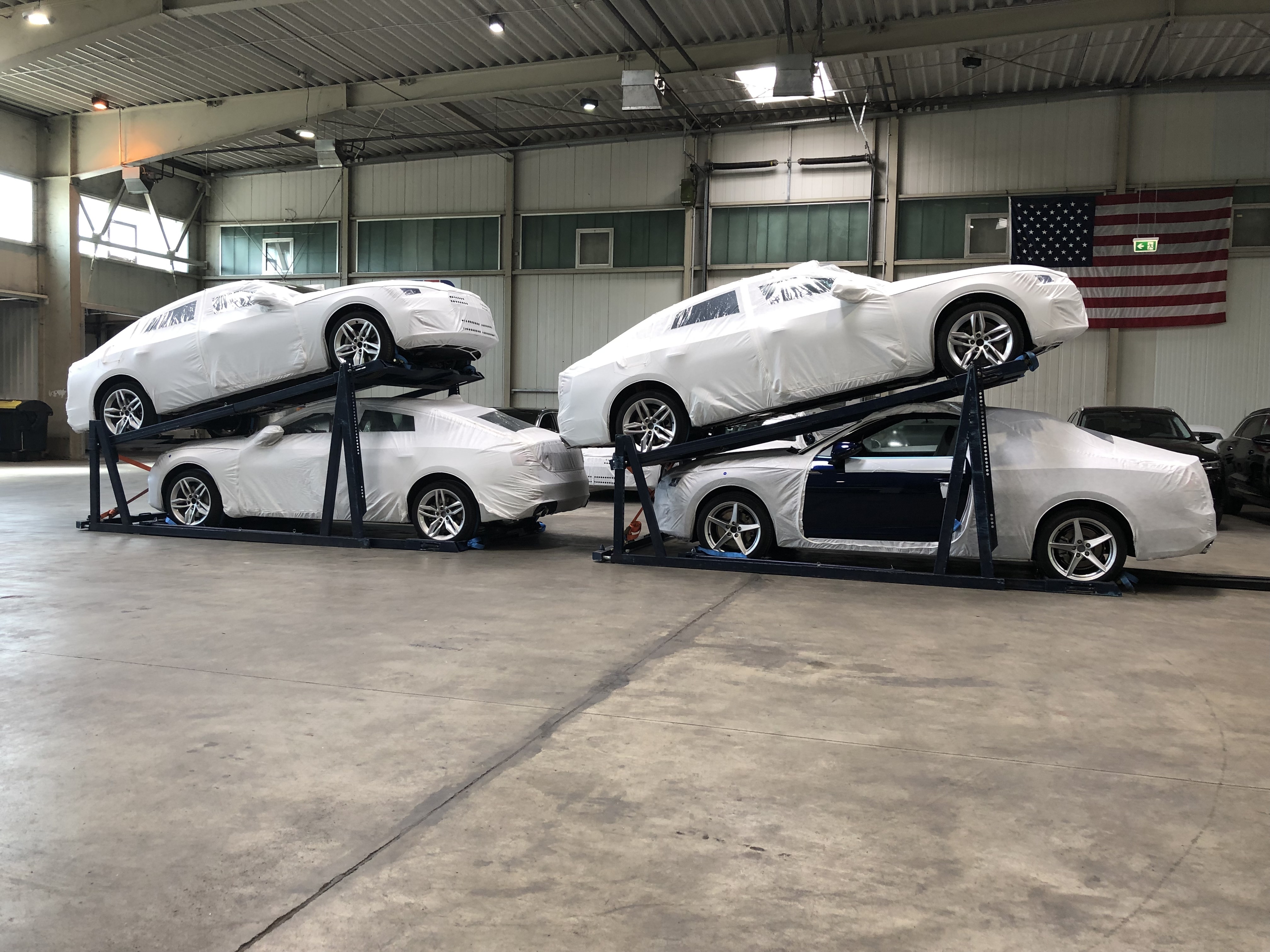
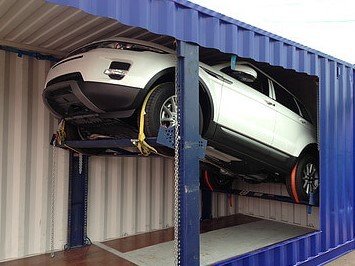
In this volatile environment, the ability to adapt transport modes quickly has become essential for businesses to remain competitive. Systems such as modular steel car racking (e.g. our R-RAK) allow operators to convert standard ISO shipping containers into secure, multi-vehicle carriers, reducing their dependency on open transporters and also optimising backhaul opportunities. This helps to cut down on empty miles and improves low density across the supply chain. These finished vehicle logistics systems are ‘smart’ not in terms of their industry 4.0 connectivity, but in the practical ways that they benefit efficiency and productivity throughout the supply chain. Simply put, containerised shipping allows transporters to avoid many of the infrastructure deficiencies and bottlenecks that plague Europe’s FVL marketplace.
Containerised solutions also strengthen resilience in cross-border trade. With UK-EU movement still affected by customs complexity, containerised car transport provides a more controlled environment that simplifies inspections, reduces handling events, and helps vehicles arrive at their destination in showroom condition.
Meeting sustainability goals
Sustainability targets are also reshaping the sector in the EU and UK, with manufacturers and logistics partners under pressure to report carbon intensity, and to minimise emissions per unit moved. Here, containerised car transport contributes to a cleaner operation by integrating seamlessly with intermodal transport routes, supporting industry-wide decarbonisation objectives. Combined with durable steel car racking, which offers long service life and reusability, containerisation aligns well with the circular-economy principles increasingly favoured by OEMs.
What are the strategic implications for UK operators?
While Europe’s FVL market is tightening, innovations in racking and containerisation provide a strong pathway to stability and growth. Integrating finished vehicle logistics racking technology into their transport processes allows UK operators to expand or contract their capacity in line with demand, reducing exposure to volatile freight rates. The ability to move containerised vehicles securely, efficiently, and sustainably could define the next competitive advantage in the sector.
Find out more
To find out more about our sustainable racking solutions and how they can support your operation, please contact Trans-Rak today by clicking here.