Europe’s push towards cleaner freight transport is accelerating, but are its logistics networks ready for the transition? While regulators in the EU and UK are pushing their plans for ‘zero emission’ road networks, the practical realities on the ground tell a different story. Heavy duty charging corridors are still fragmented, power availability varies widely between countries, and long haul operators face a growing mismatch between policy expectations and operational capacity.
For vehicle transport businesses, especially those responsible for shipping consignments by road across multiple European countries, this gap between ambition and readiness is becoming a strategic concern. At the same time, the rapid uptick in EV (electric vehicle) production is reshaping how logistics teams think about what a car racking system must deliver, and which vehicle transport solutions will remain viable as the industry transitions.

Policy pressure is rising faster than infrastructure can support
Across Europe (including the UK), legislation and environmental targets are driving a movement towards zero emission logistics. Clean transport corridors, emissions credits, and ultra-low emission zones (ULEVs) in cities have pushed carriers to consider electrification earlier than expected. But the reality on the road is far less advanced. Heavy duty charging hubs remain sparse, for example, with many areas lacking the high power units capable of supporting EV lorries/transporters under full load. Dwell times are also too long for time sensitive movements (such as the pressure to adhere to rigid Ro-Ro ferry timetables), and grid limitations restrict the expansion of charging sites.
How EV production growth is rewriting logistics requirements
Manufacturers across the EU are continuing to expand EV output, adding new strains to outbound logistics networks that were originally designed around lighter combustion-engine vehicles. Heavy battery packs, stricter handling rules, and increased sensitivity to temperature and vibration fluctuations have all reshaped how vehicles can be moved.
These EV-specific needs have several consequences for the traditional open transporter road logistics model:
-
Battery weight reduces unit counts on traditional transporters
-
Fire safety and isolation protocols extend loading cycles
-
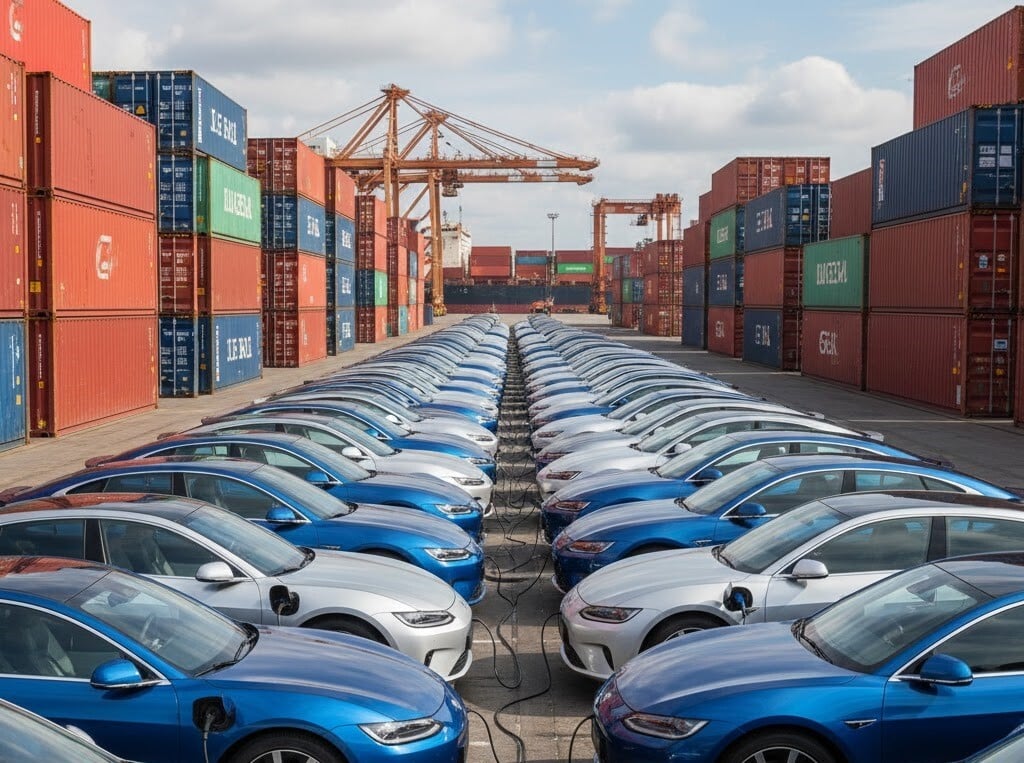
Charging requirements on-site create congestion and energy demand issues
-
Some compounds now require specialist EV handling zones, increasing the risk of bottlenecks
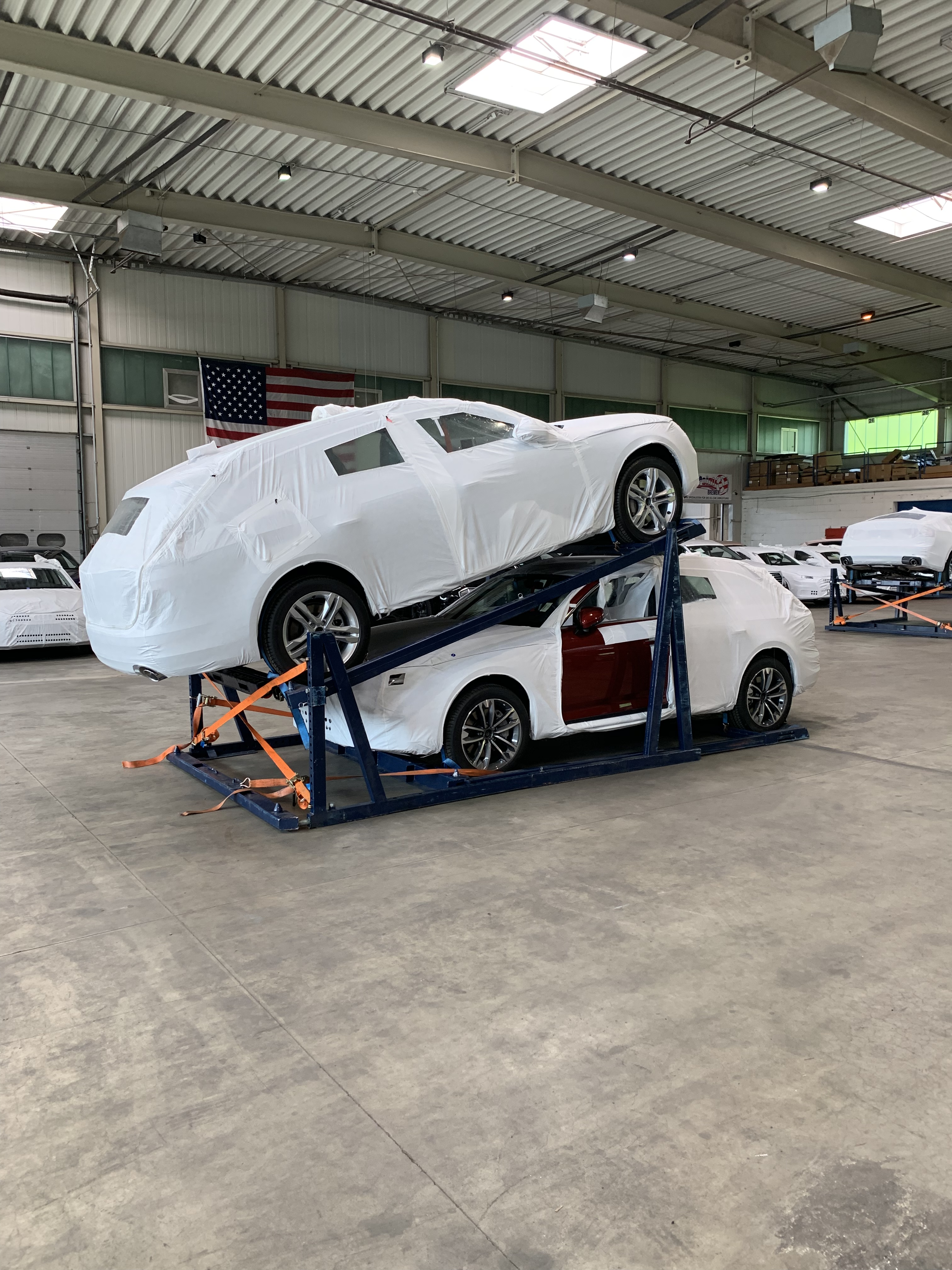
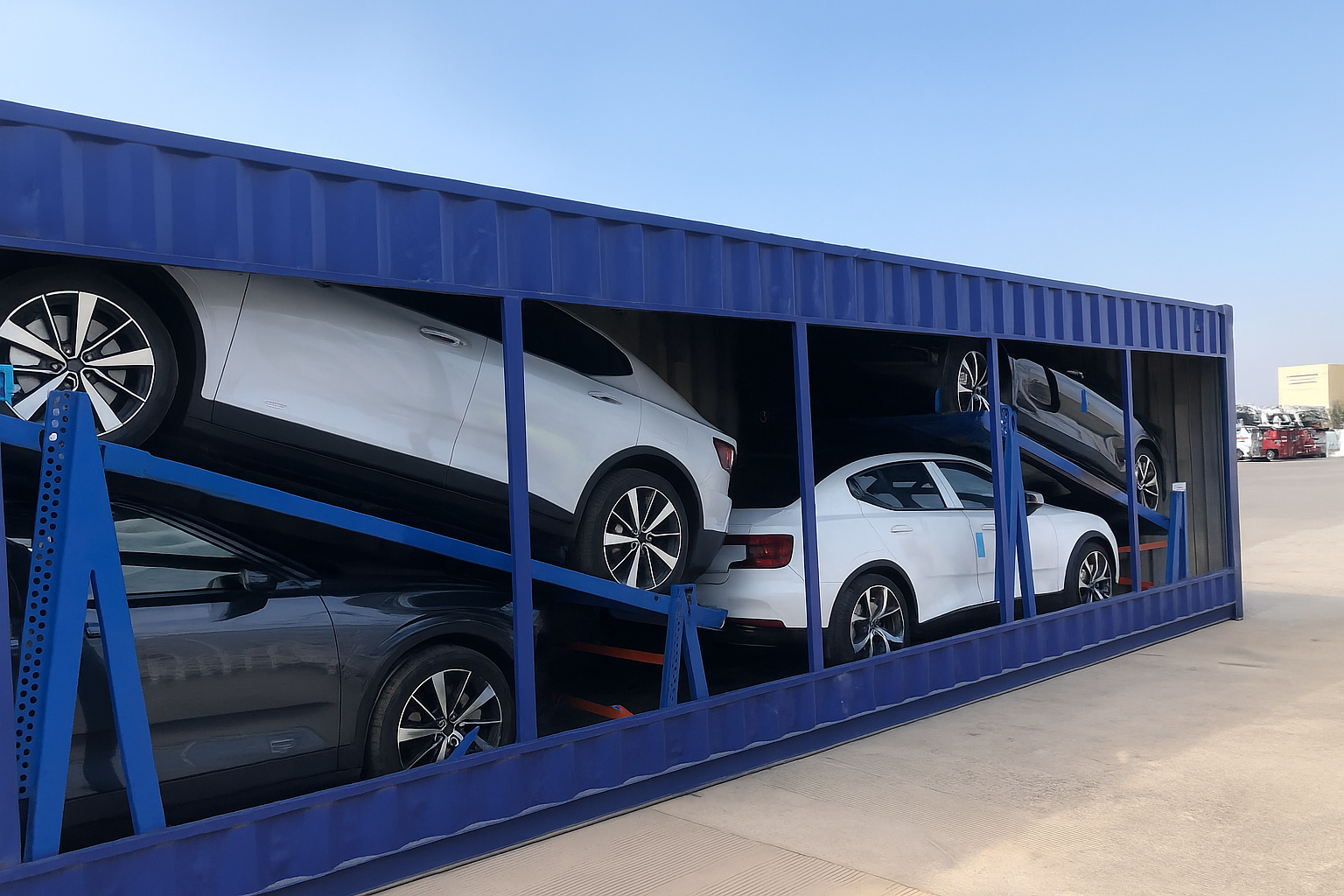
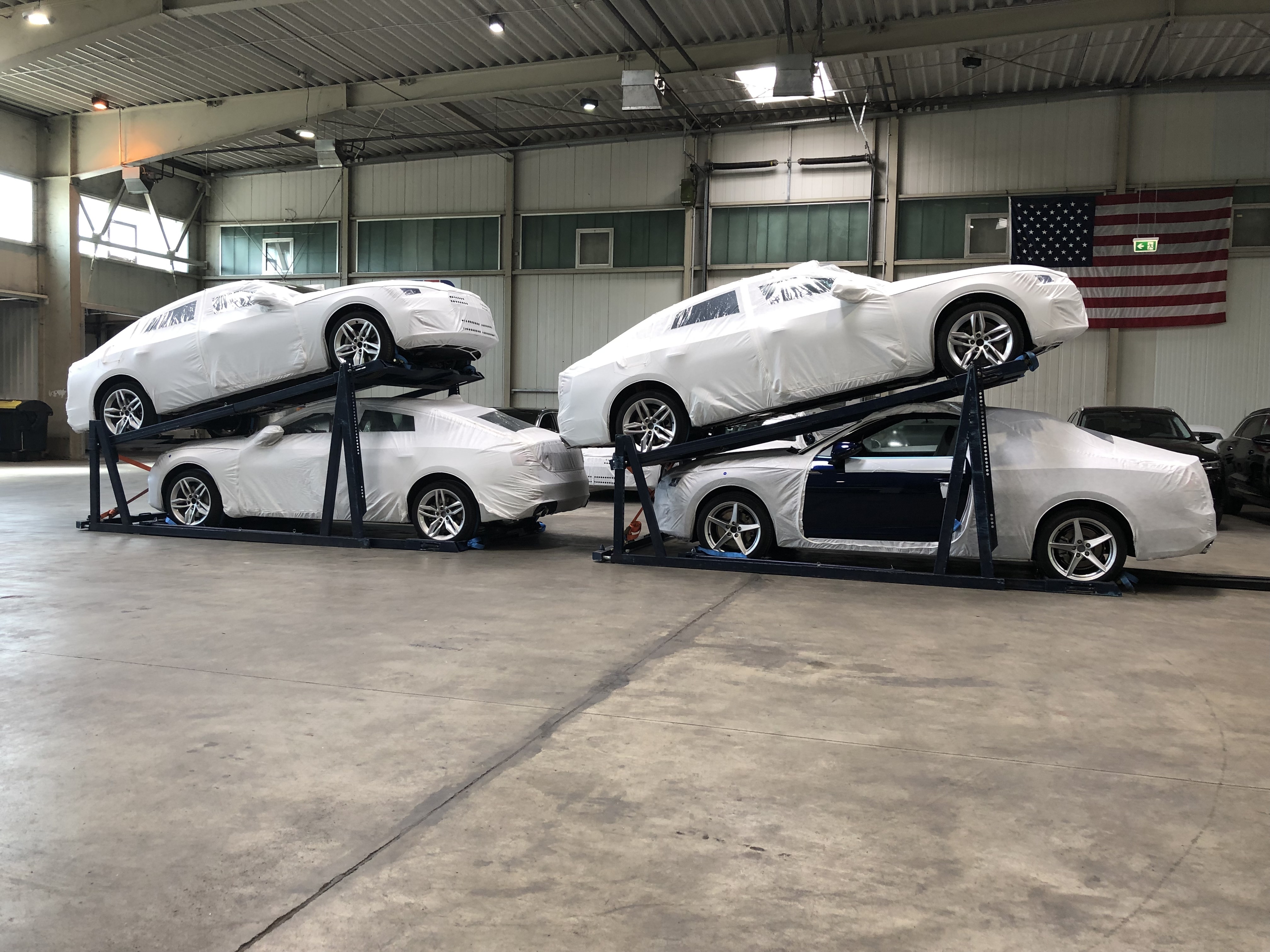
As a result, many operators are rethinking the potential of containerised car transport for the road or rail legs of the outbound chain, and not just for the sea-based segments. And the car racking systems used by transport businesses are also evolving. The market is shifting from fixed-format equipment to more adaptable systems capable of handling diverse vehicle mixes and evolving OEM safety standards.
Flexible vehicle transport solutions will be essential in 2026
In response to these new pressures, logistical flexibility has become a strategic priority for many operators. Carriers are increasingly adopting intermodal options that combine rail transport with short sea and container-based solutions; in order to reduce their reliance on long, uninterrupted road legs that are difficult to electrify.
The change has bought modern racking systems to the forefront. Today, vehicle transport solutions must solve more than simply loading efficiency and unit price. Operators now look for systems that provide…
-
Modular configurations suited to different vehicle classes
-
Compatibility with containerised transport for global shipping
-
Enhanced stability for heavier EVs
-
Safety features tailored to battery-equipped vehicles
-
Faster turnarounds to offset EV charging delays
This broader definition of what a car racking system should be reflects a sector that now prioritises adaptability as much as payload efficiency.
What next?
If you’d like to find out about our racking systems and the role they can play in your business’s success, please contact Trans-Rak today by calling +44 1926 40 82 82, or click here to send us a message.