International car transport shipping has always been shaped by practical limitations: variable port infrastructure, inconsistent handling standards, and long dwell times that extend the vehicles’ exposure to risk. In recent years, geopolitical instability and uncertainty have extended this list – a situation that is unlikely to change in 2026. These factors create a conundrum for businesses overseeing global outbound flows: how to keep supply chains stable while local conditions shift. Also, as supply chains widen and new production hubs emerge (e.g. in Indonesia and South America), the challenges facing international car shipping have become more complex, and the solutions more varied.

On the cusp of 2026, we look at the constraints that affect programme performance in the long-distance vehicle shipping sector, and how these can be overcome.
Stability Within Instability: The Operational Realities Of Global Car Movements
The international movement of finished vehicles rarely follows a straight path from A to B. (Wouldn’t that be nice?!) Instead, what appears on paper as a single export route or shipping lane is usually a sequence of tightly connected steps involving road legs, feeder vessels, trans-shipment hubs and regional carriers. Even well-established corridors can face pressure from berth allocation, geopolitical tensions, industrial action, extreme weather events, container imbalances, seasonal congestion, and sudden policy changes at important ports. The list goes on.
For logistics planners, each of these elements introduces uncertainty. A delay at one port can cause a knock-on effect several stages downstream, especially when vehicles or trains operate on tightly fixed schedules. Unlike domestic flows, where alternative carriers can usually be sourced quickly, long distance programmes rely on infrastructure that cannot always be substituted at short notice. This is why programme resilience, the ability to maintain flow even when a single part of the supply chain slows, is often more important than headline transit time.
The Hidden Constraints Behind Route Planning
Each route type or transport mode introduces unique constraints that may affect your daily operations. Ro-Ro routes, for instance, often dictate the origin and destination terminals that project managers can use. High-capacity deep sea vessels typically call at major ports only, forcing OEMs to rely on long pre-and post-carriage distances. These additional domestic legs increase your storage time and cost, increase handovers, and extend the vehicles’ exposure before it even leaves its region of manufacture.
Container ship-based routes remove some of these geographical limitations. Secondary ports and inland depots become viable export points, giving planners greater control during peak demand periods, or when primary routes reach saturation. Rail corridors add another dimension, offering shorter lead times but introducing their own engineering considerations due to high vibrational forces during shunts.
Exposure, Environment, And The Real Cost Of Distance
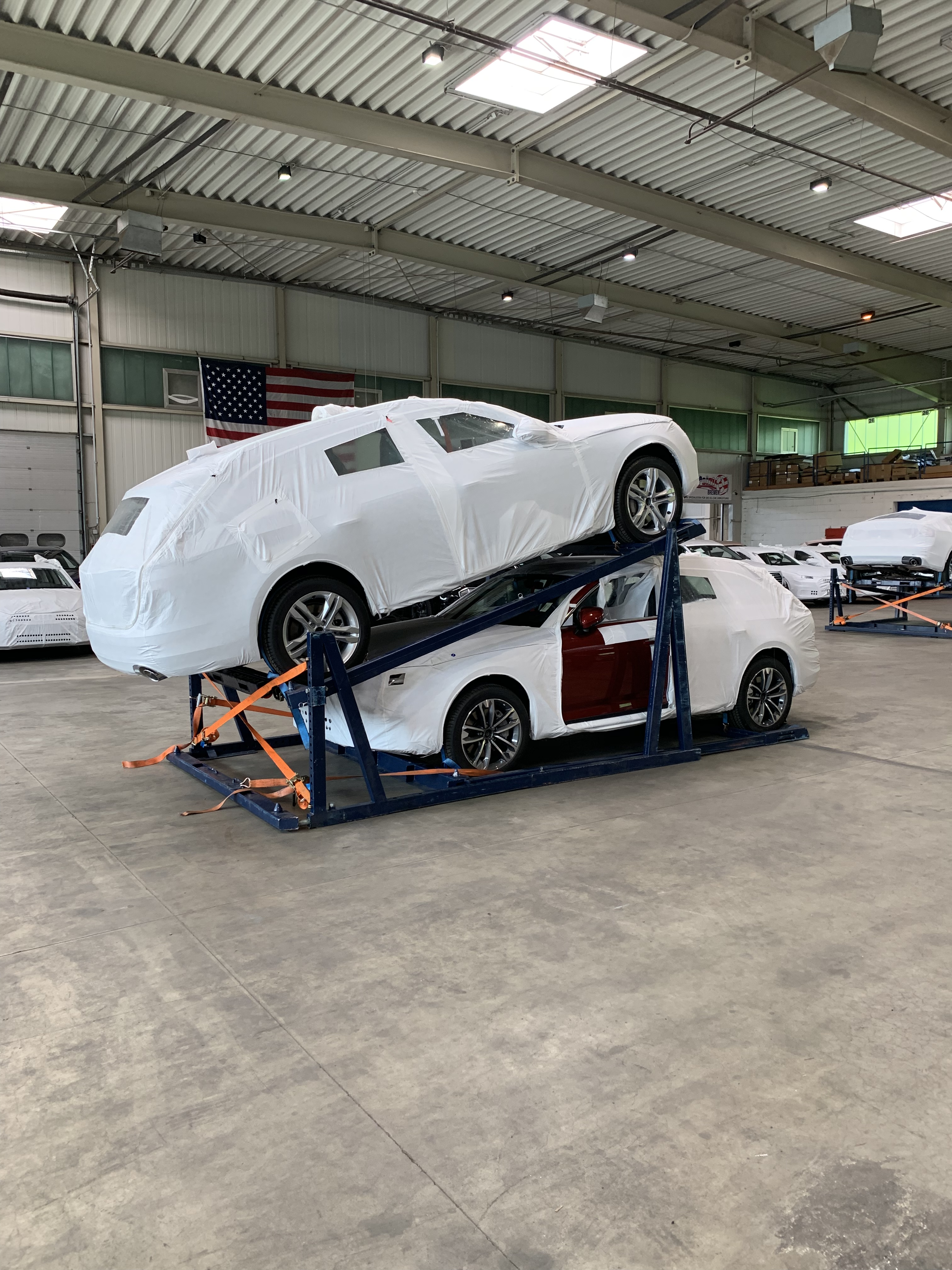
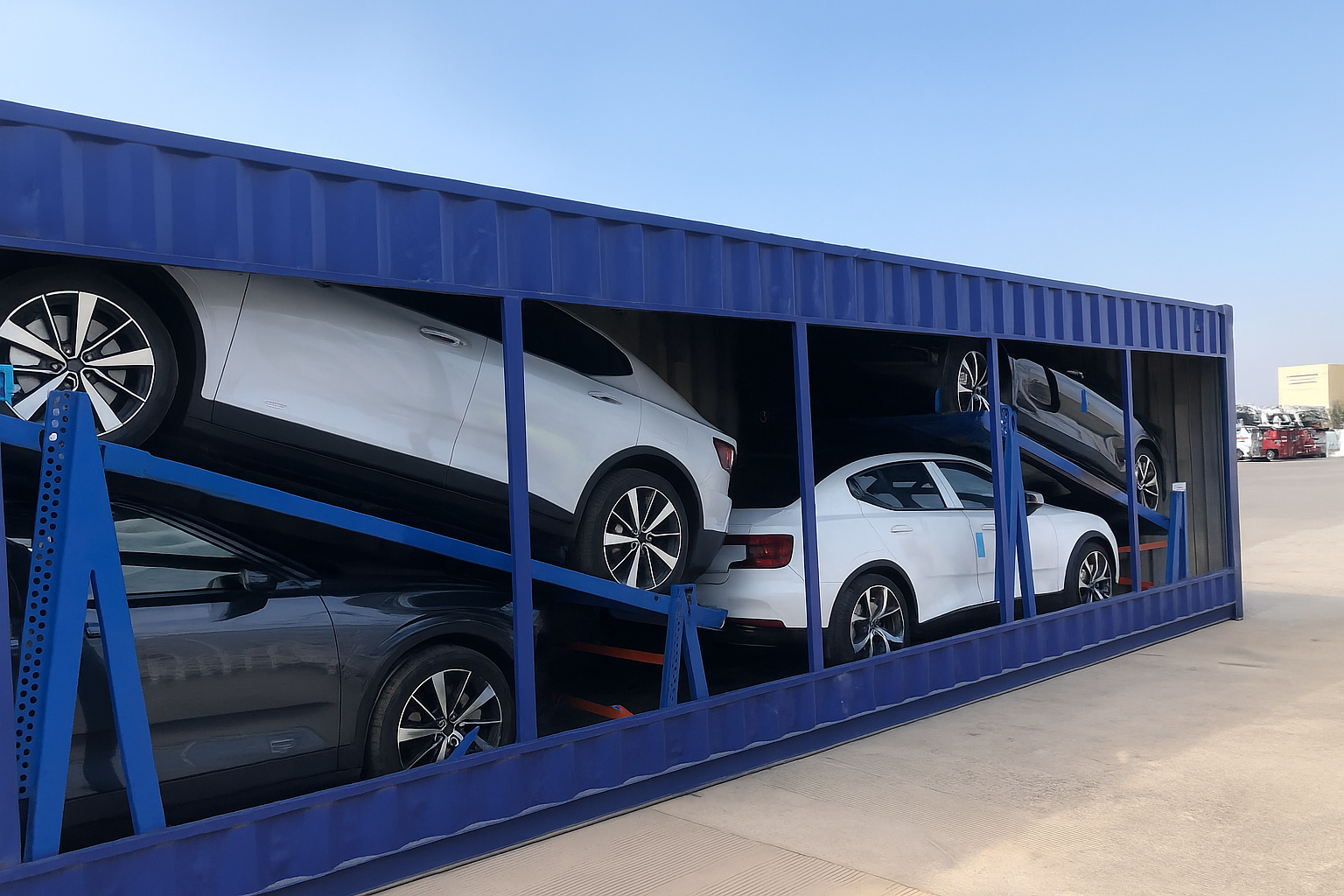
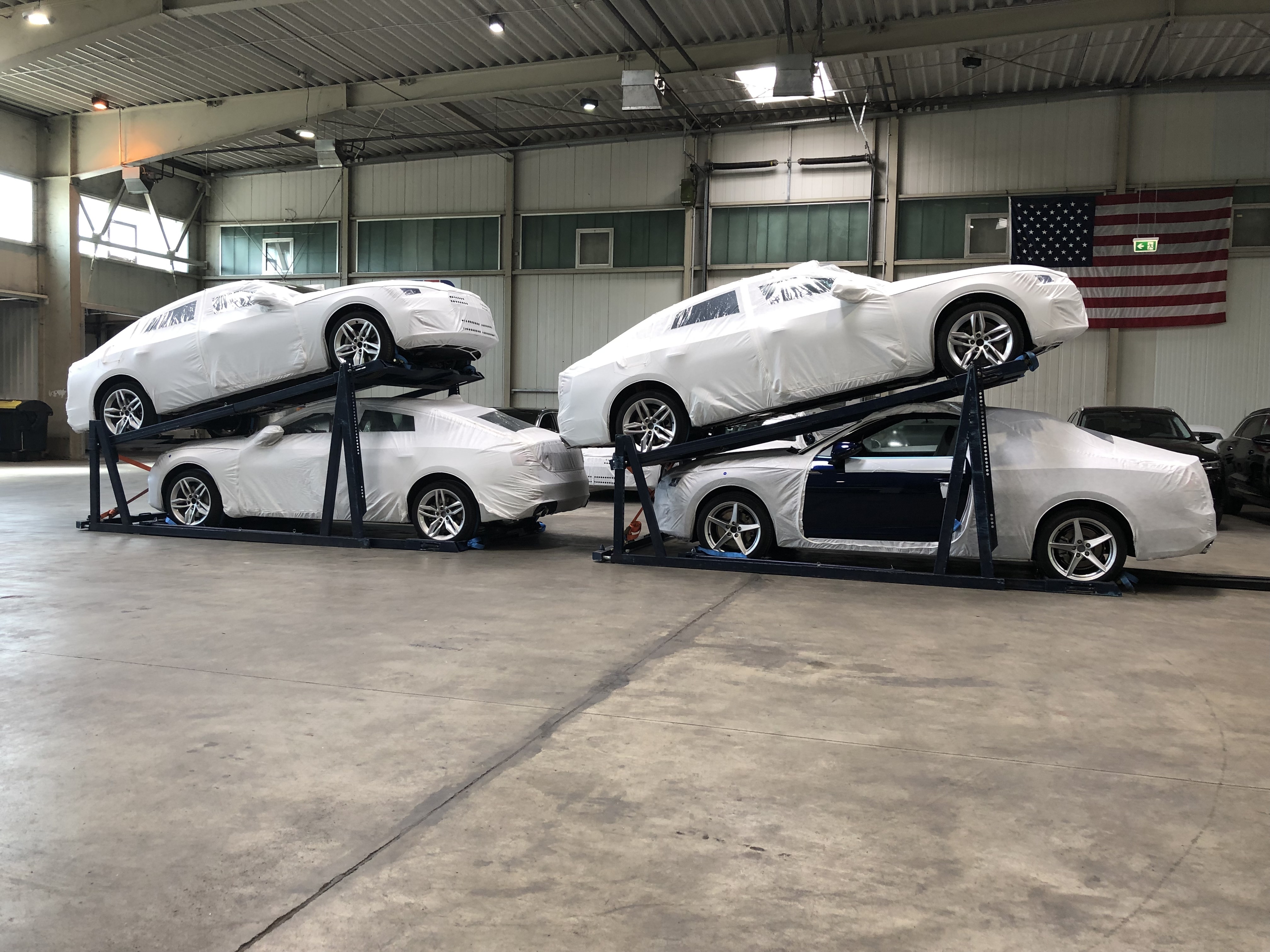
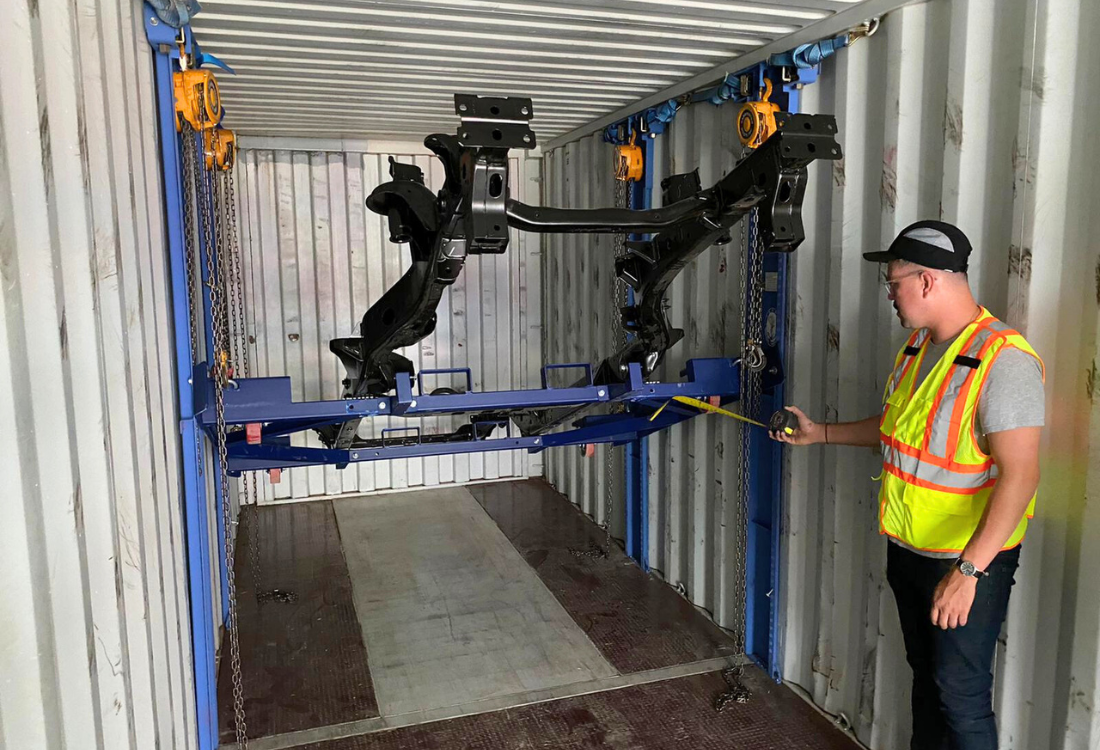
One aspect of international car shipping that is frequently underestimated is environmental exposure. Exposed vehicles moving through multi-climate routes can encounter salt fog, airborne dust, UV exposure, and wide temperature fluctuations even before they reach the customer. Extended quayside dwell times amplify these risks. Enclosed containerised transport mitigates this by sealing your vehicle’s environment from the point of loading. During long intercontinental routes, particularly those crossing monsoon regions, desert areas, or high humidity tropical ports, controlled conditions form part of the quality assurance process rather than a discretionary upgrade. When combined with engineered wheel-based racking systems such as the R-Rak, containers also minimise vibration-induced movements, supporting consistent results on routes traditionally prone to transport shock.
What Trends Should Logistics Teams Anticipate Heading Into 2026?
The international vehicle logistics landscape is evolving, and several structural trends are expected to influence outbound strategy heading into 2026:
- Persistent congestion at high-volume RORO gateways: Many major automotive ports continue to operate close to capacity, and infrastructure expansion is not keeping pace with global demand. Programme planners may need greater reliance on container-capable alternative ports.
- Increased use of secondary and inland ports: New manufacturing regions and tighter export windows are pushing OEMs toward port diversification. Container routes offer the flexibility needed to support this shift.
- Rising EV volumes and stricter handling requirements: Electric vehicles demand tighter control over temperature, humidity and vibration. Enclosed, stabilised container environments are becoming the preferred method for long-distance EV flows.
- Stricter OEM damage KPIs: As tolerance for cosmetic damage continues to fall, modes with higher exposure or excessive handovers will face more scrutiny.
- A stronger requirement for routing flexibility: Global container networks are adapting faster than specialist automotive corridors. Being able to re-route around congestion or infrastructure disruption is becoming a baseline expectation for outbound teams.
Taken together, these trends point toward a more diversified international landscape where RORO remains important but is supplemented more heavily by container-based flows designed for stability and resilience.
What Next?
If your long-distance flows are constrained by port availability, seasonal bottlenecks, or environmental exposure, containerisation provides a practical alternative to RORO. Our modular racking systems are designed to support stable, high-density international movements by sea, rail, and road. To discuss your options, please click here to arrange a free initial consultation with one of our experienced team.