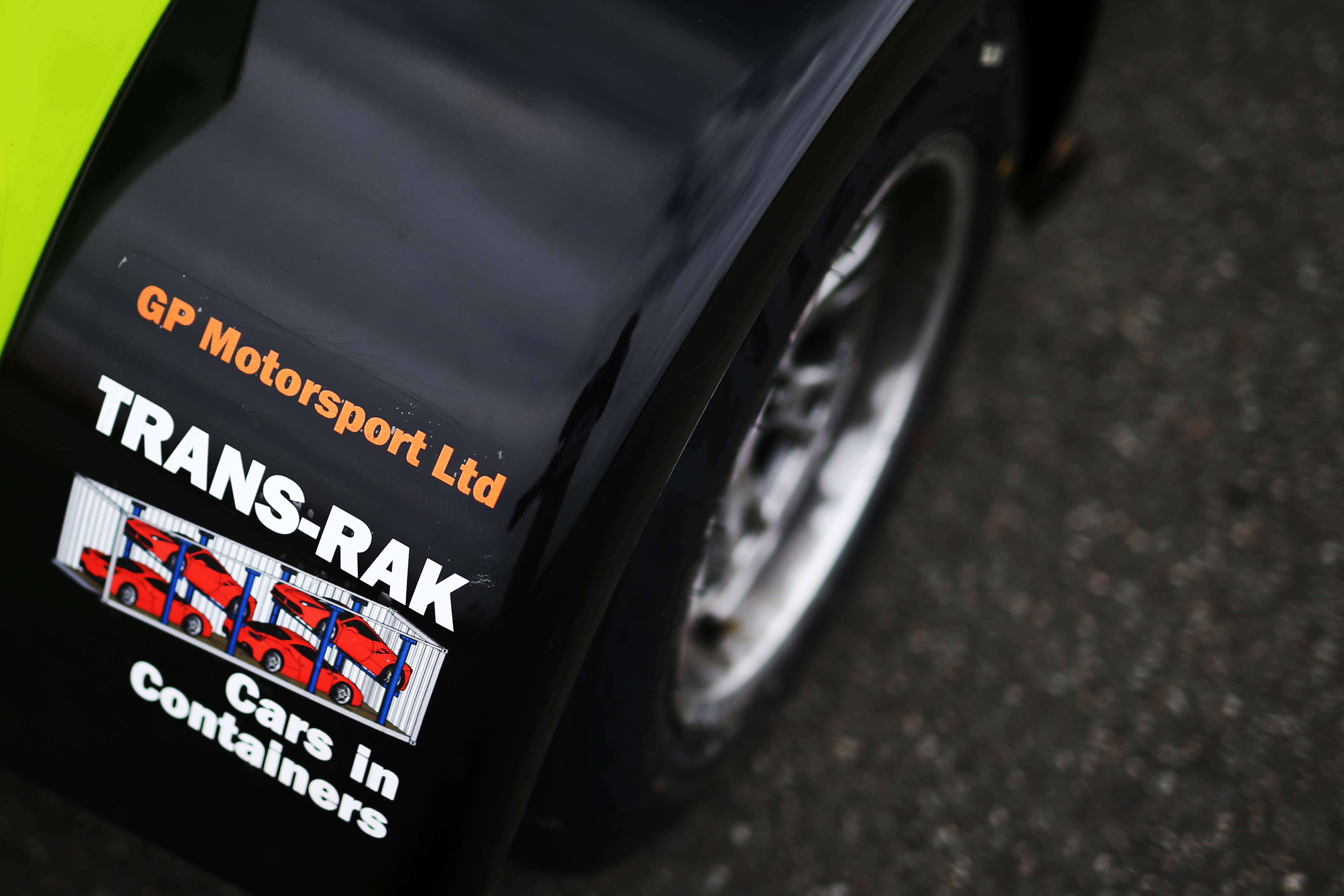
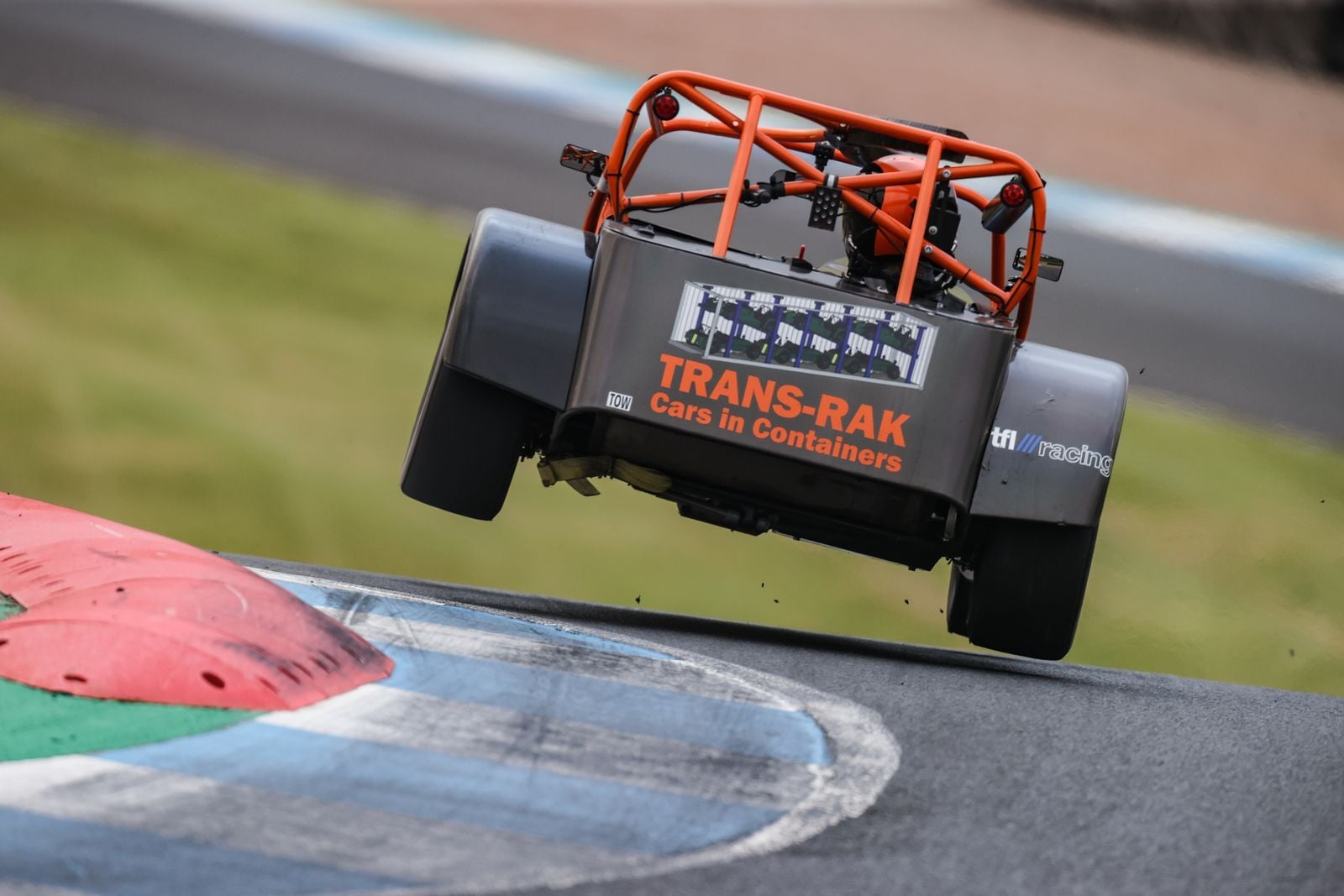
There was plenty of drama at Round 4 of the 7 Racing Caterham Seven 420R Championship at the spectacular Anglesey Circuit, with Trans-Rak-sponsored driver Wes Payne delivering another outstanding weekend to reclaim the championship lead.
Read More
There was plenty of drama at Round 4 of the 7 Racing Caterham Seven 420R Championship at the spectacular Anglesey Circuit, with Trans-Rak-sponsored driver Wes Payne delivering another outstanding weekend to reclaim the championship lead.
Read More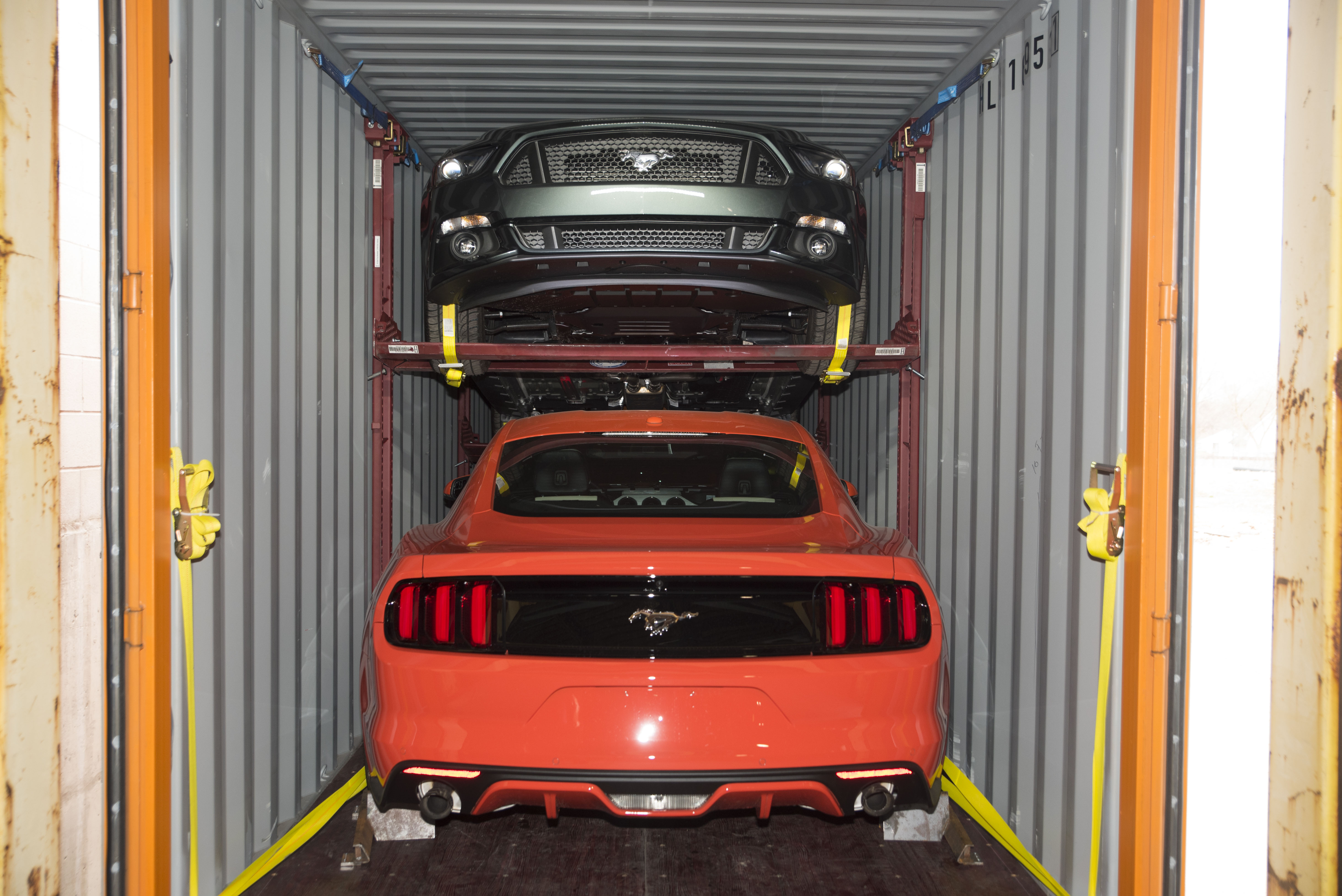
From iconic vehicles of the past to the electric vehicles of tomorrow, the automotive industry continues to transform.
Read More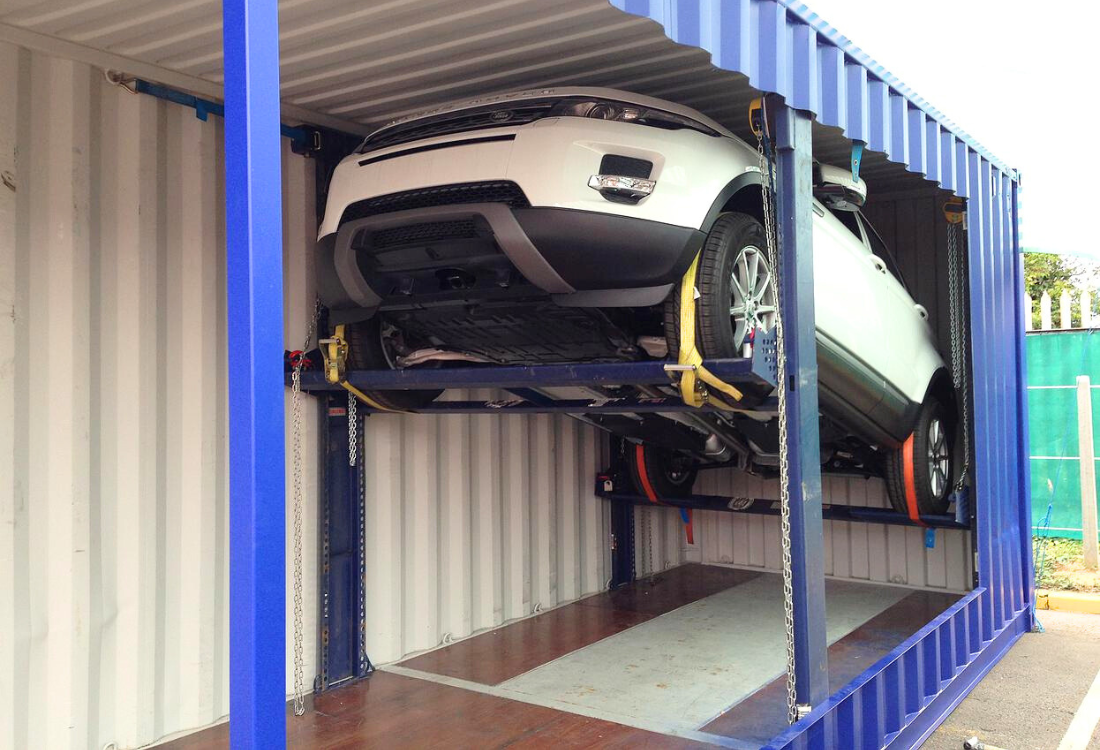
For decades, the story of global manufacturing has largely been one of production moving east. China became the world's manufacturing powerhouse, supplying everything from consumer electronics to vehicles for markets across Europe and North America.
Read More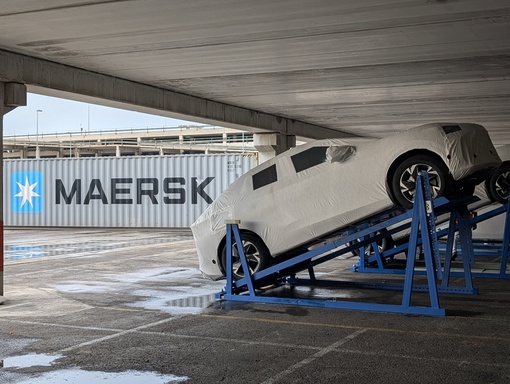
China has reached another significant milestone in automotive exports, shipping more than one million vehicles in a single month for the first time. June's record-breaking figures underline the country's continuing growth as the world's largest vehicle exporter and highlight the increasing demand for efficient, reliable global transport solutions.

Everyone at Trans-Rak International is celebrating after our Director of Engineering, Wes Payne, claimed an impressive race victory during the latest round of the 7 Racing UK Championship at Donington Park.
Read More
Trans-Rak International was delighted to support this year's Kenilworth Parkinson's Golf Day, a fantastic event that once again brought together local businesses, golfers and supporters to raise vital funds for Parkinson's UK.
Read More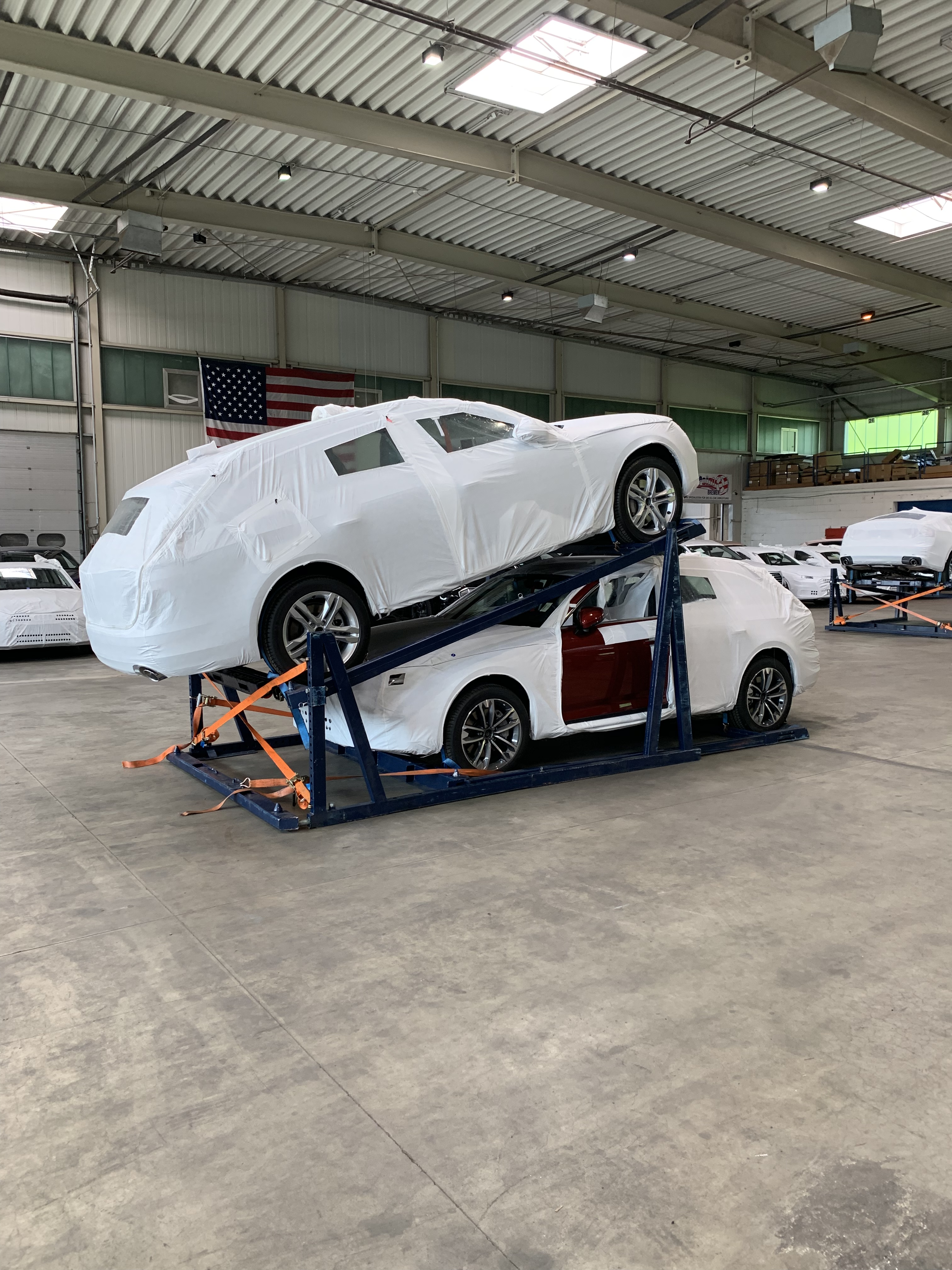
As pressure grows on automotive logistics companies to reduce emissions, calculating the true carbon footprint of car transporter options has grown into a core business requirement, rather than being a simple sustainability exercise. This is particularly true for multi vehicle transport operators, where operational decisions about routing, loading, and equipment can significantly change the emissions tally per vehicle. In the UK, transport is responsible for around 29% of total greenhouse gas emissions, with road transit accounting for the largest share. Against this backdrop, car transport operators are increasingly expected to calculate, report, and actively manage their emissions with greater accuracy and consistency.
Read More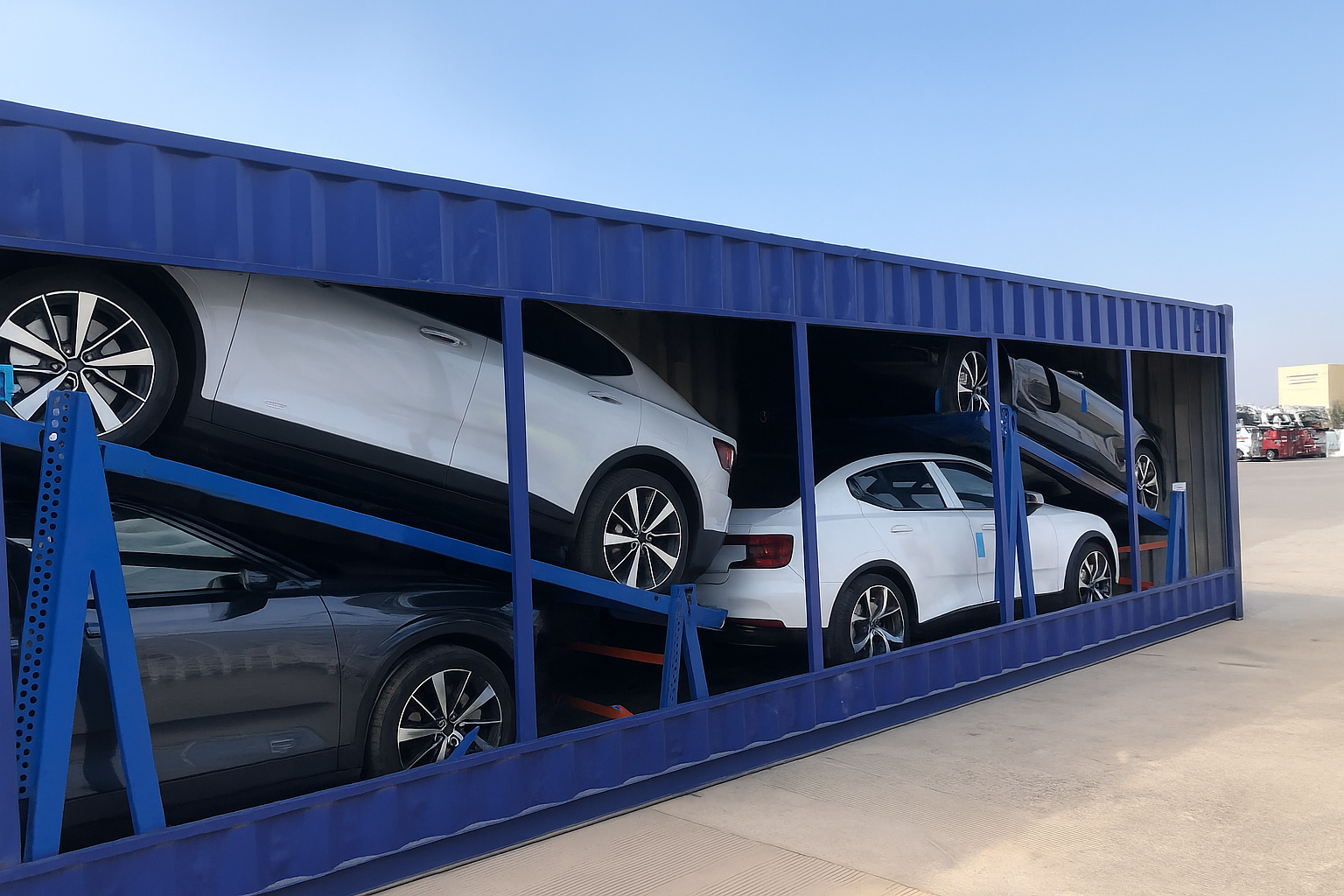
The global rise in electric vehicle production is quietly transforming how cars are shipped, as well as the types of cars people drive. As EV sales volumes grow and trade lanes shift in response to market changes and geopolitical pressures, logistics providers are having to rethink many long-standing assumptions about RoRo shipping, container capacity, and the role of the vehicle container in finished-vehicle logistics.
Read More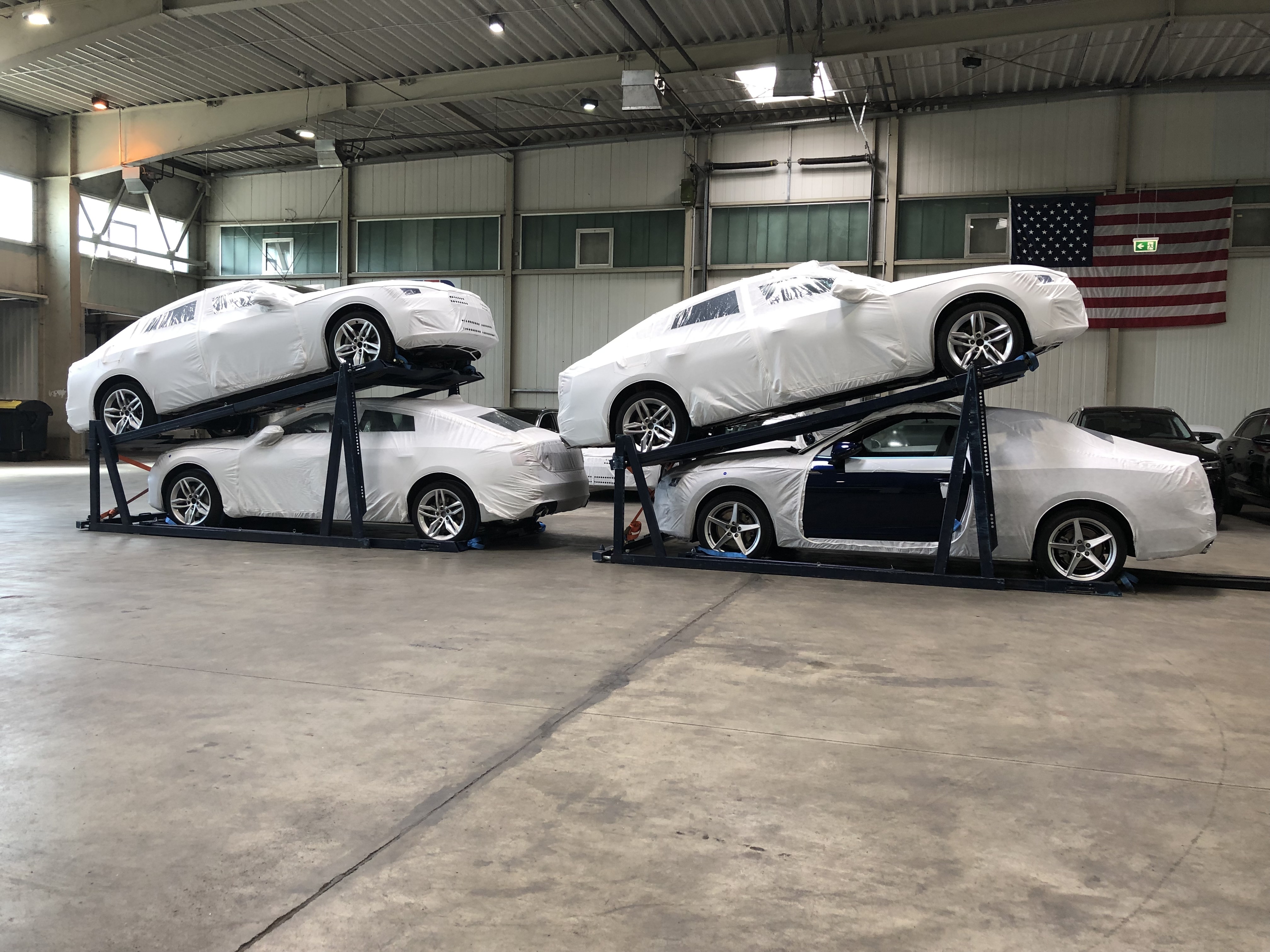
For many years, the art of loading cars into containers successfully relied heavily on experience. There was nothing particularly ‘digital’ about it. Skilled operators developed effective methods through repetition and trial and error, adapting their racking configurations to different vehicle profiles and constraints on the ground. However, as vehicle mixes became more complex and tolerance for error began to shrink, some operators began to reach for innovative software tools to help optimise their vehicle logistics strategies.
Read More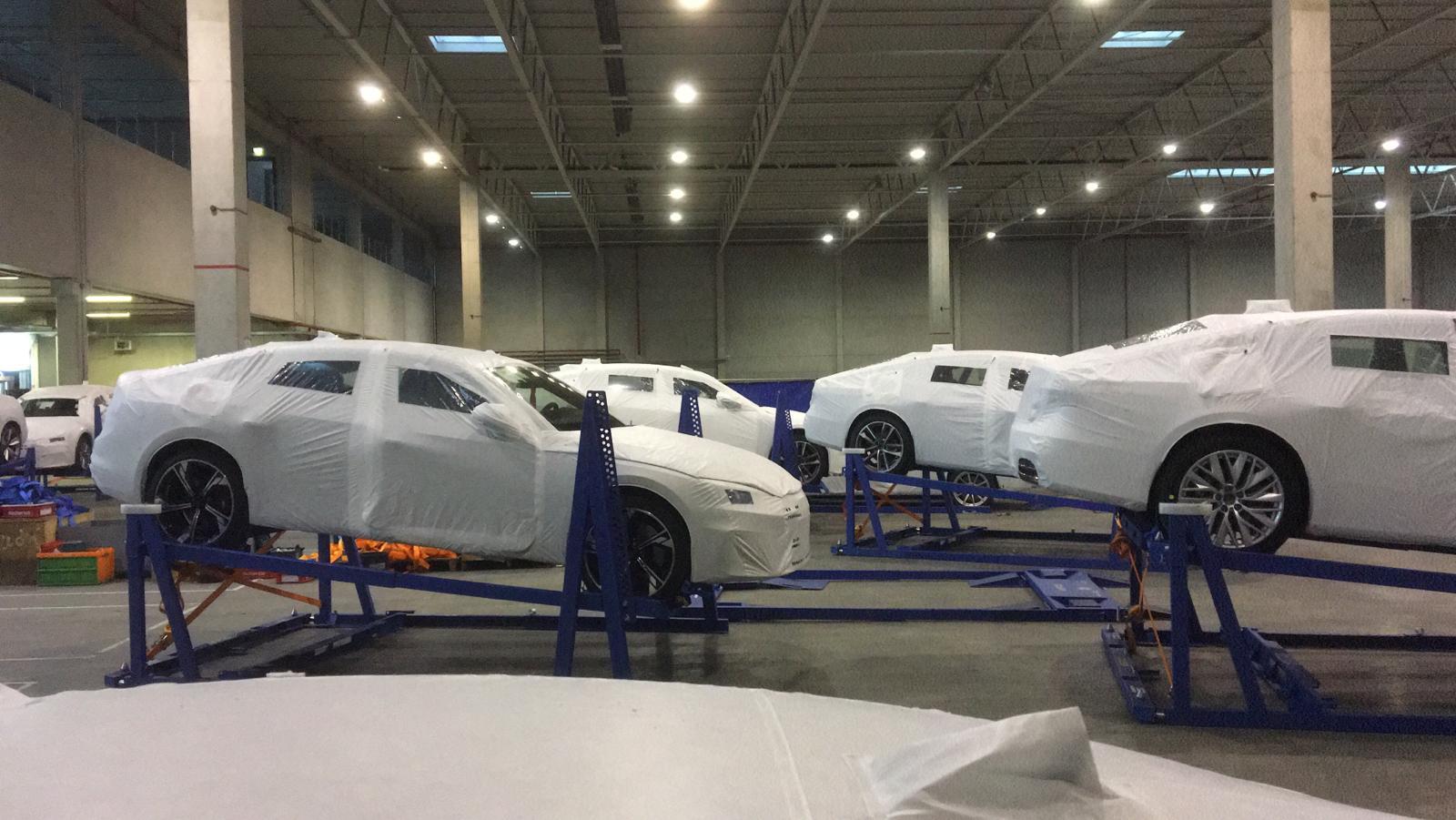
Global shipping costs are once again under scrutiny as logistics and procurement professionals warn of renewed pressure on transport budgets in 2026. According to recent industry reporting (published in the Guardian and other sources in Jan 2026), freight rate volatility, rising energy costs and persistent capacity constraints are feeding through supply chains and increasing the risk of higher end-consumer prices. In particular, spot shipping rates between major trade routes have climbed, and ongoing cost volatility is creating sustained pressure on global supply chains.
Read More

.jpg)


5 Corunna Court,
Corunna Road,
Warwick,
CV34 5HQ,
United Kingdom