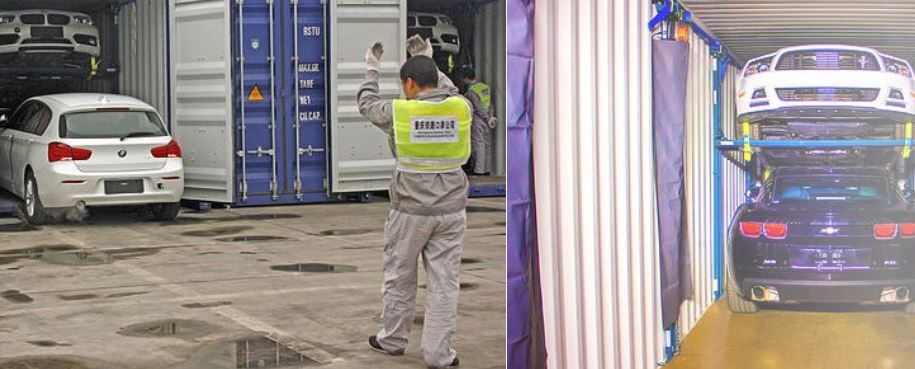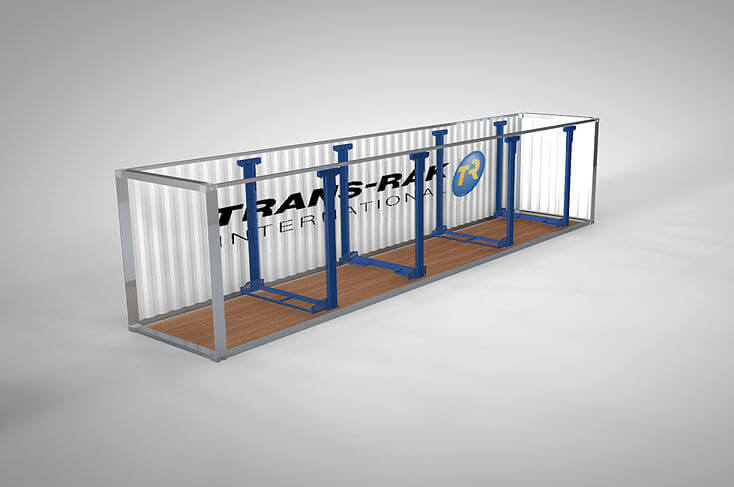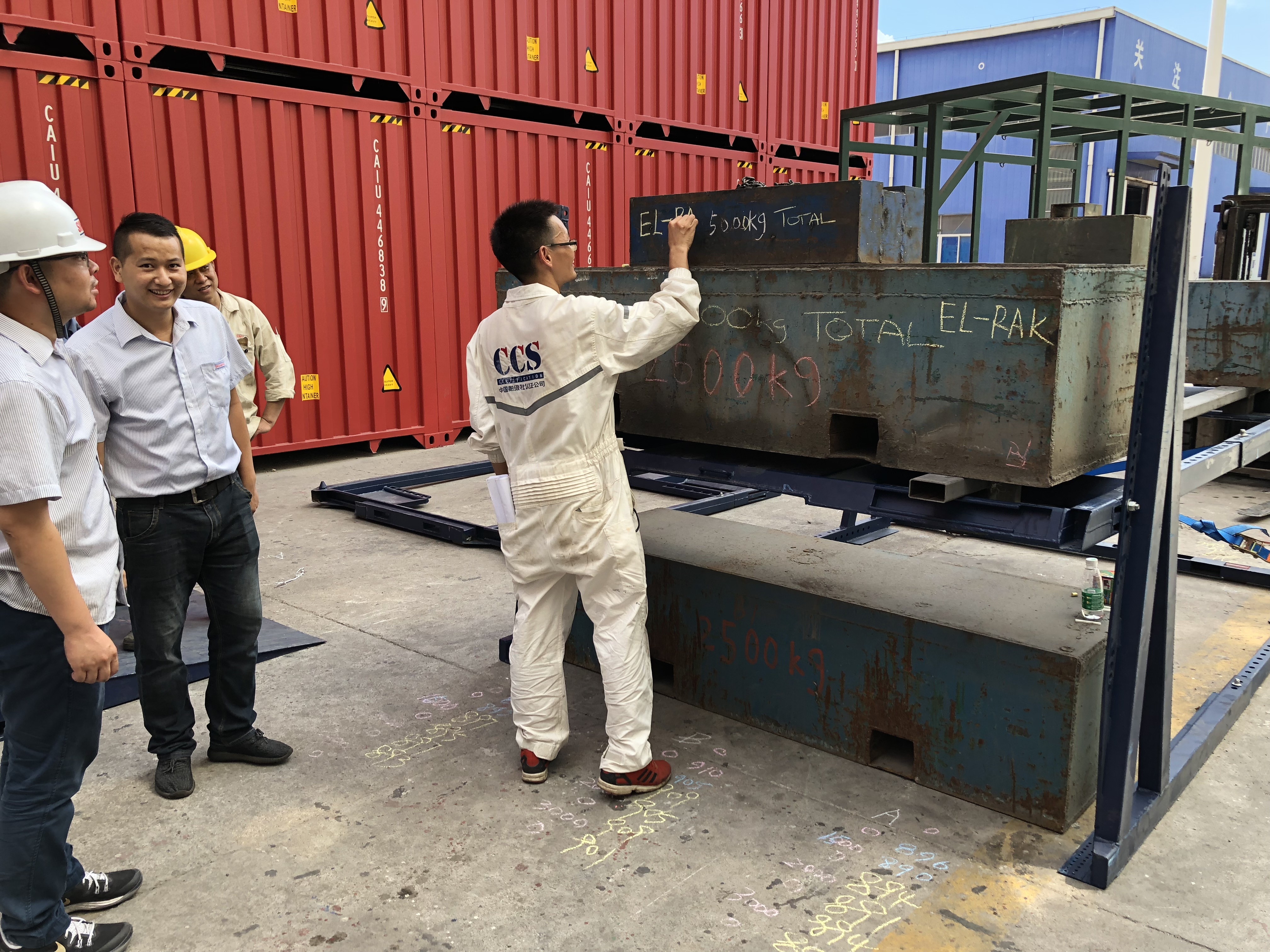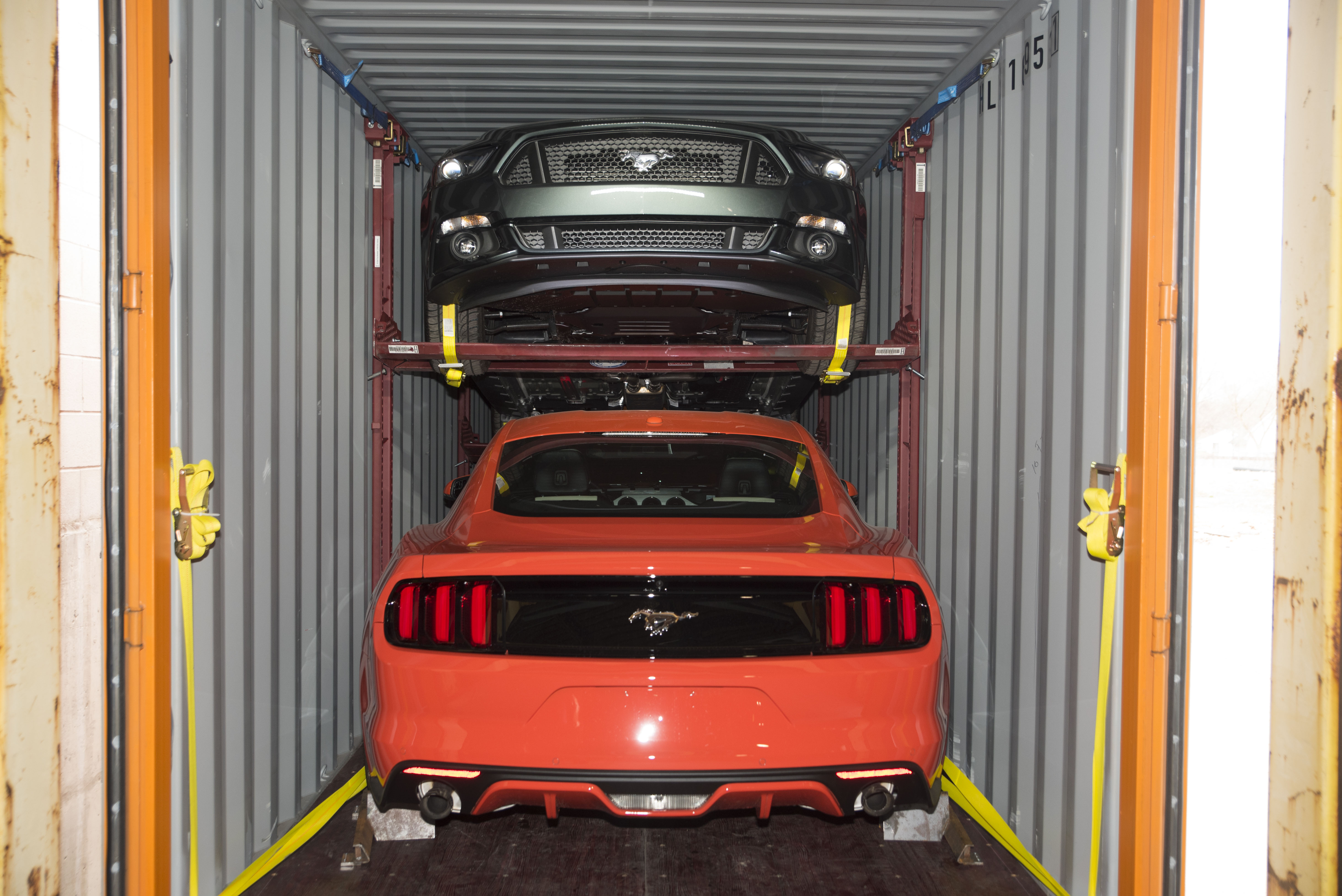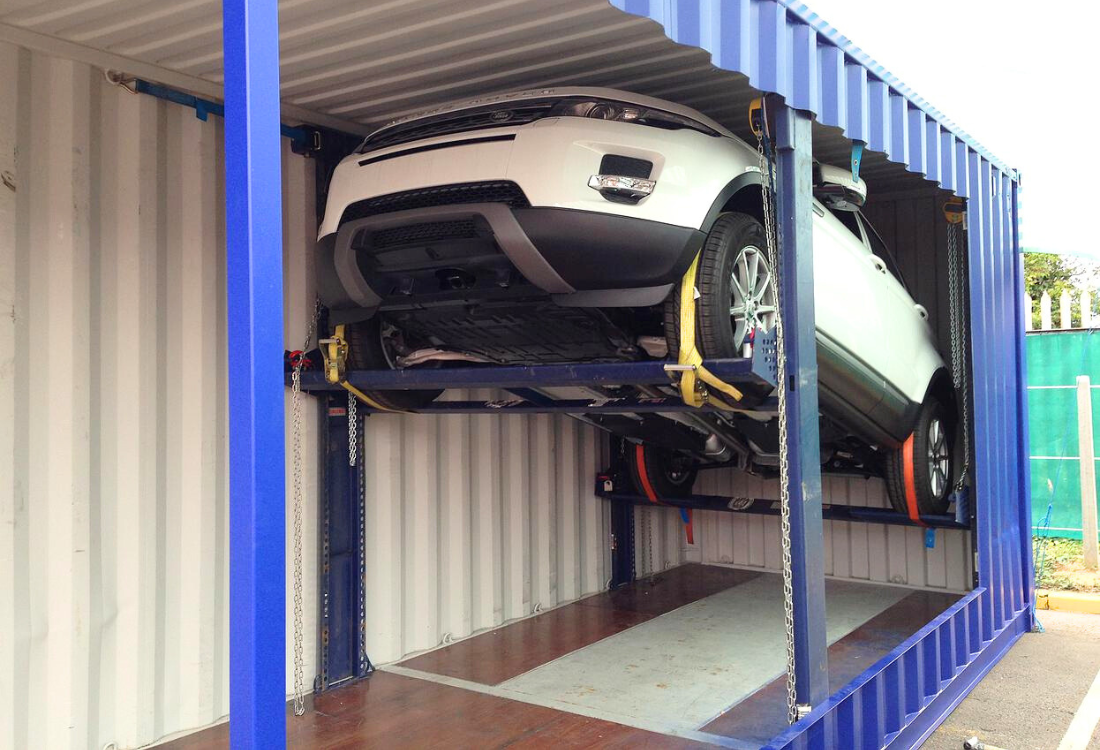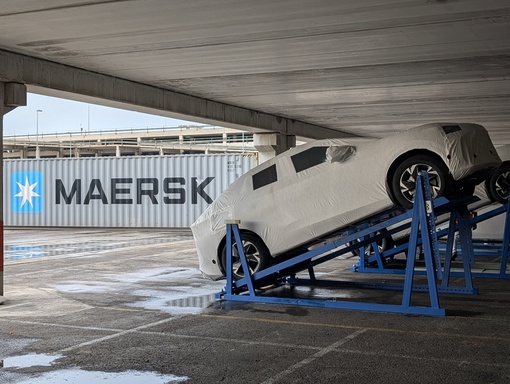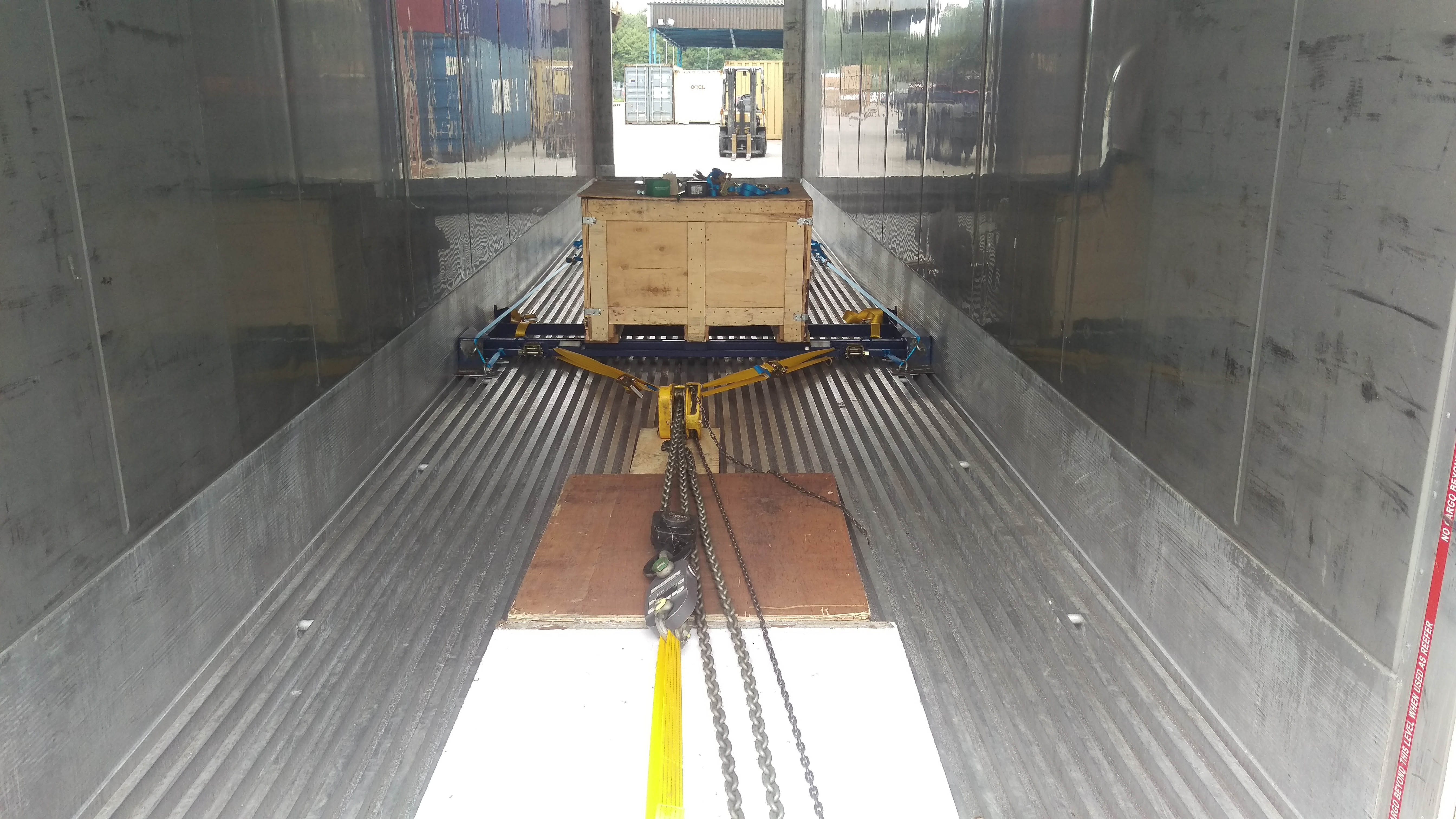
Non-Operating Reefers have specially designed metal floors with a "T-section" shape to control airflow when the refrigeration unit is in use. However, due to the delicate floor and reduced internal dimensions, they are often returned to source empty or only partially used. Until now, it has been very difficult to load vehicles into a NOR due to the reduced internal width making opening vehicle doors an impossibility. As the DL-RAK allows for loading vehicles without opening doors, cars could now be loaded utilising NORs, meaning that they would no longer be shipping thin air. This is not only beneficial for shippers as more containers can be used, but better for the environment as energy isn't wasted moving empty containers around the world.
Read MoreNEWS BLOG
Wesley Payne
Recent Posts
Will Decarbonisation Lead To Higher Sea Freight Costs For Vehicle Transport Businesses?
Shipping is a major global contributor to climate change. As with other sectors, there is an increasing realisation that urgent action is required to lower greenhouse gas emissions from ocean-going vessels and the logistics infrastructure that supports the sector. Accordingly, in 2018 the International Maritime Organisation (IMO) announced its aim to significantly reduce carbon emissions from shipping.
Read MoreRoRo, using specialist ocean going vehicle carriers, is the cheapest method for sending cars long trans-global distances when available. It is perfect when time is not a critical factor and when it suits the sender to unload the cargo in one of the specialist port facilities that handle these vessels.
Read MoreTransporting electric vehicles internationally by shipping container is difficult enough, without worrying about fires and accidents due to improperly handled lithium batteries. But after a spate of aircraft fires caused by lithium batteries igniting on board, the International Air Transport Association (IATA) brought in a series of rules in 2009, and the United Nations classified lithium batteries as Class 9A dangerous goods. Unfortunately, the interpretation of these safety guidelines is a topic rife with misconception. So, let's discuss legal compliance for companies that transport electric cars by container.
Read MoreIs Container Shipping Too Risky For Classic Cars?
Classic, race, high-performance, and veteran cars are hot commodities in the field of international car transport. So, shipping them across the world in containers has its risks and challenges. As they are vehicles of historical interest and high technological or nostalgic value, customers often worry that they're not suitable for container shipping. Thankfully, Trans-Rak has developed a range of racking solutions to address these concerns.
Read MoreWhat Is The Best Option For Transporting Rally Cars Overseas?
When transporting rally cars from one location to another, safety, cost effectiveness, and speed are top priorities. Rally cars can be transported by road, air, or sea, and each method has its pros and cons. Road transport may be cost effective, but it’s time consuming and entails added risks for the vehicle. Air freight can get rally cars from A to B safely and in a record amount of time, but the costs are high and in most cases, it’s only an option if you’re moving one vehicle at the time.
Think Again Before You Next Use Wood In Container Shipping for Transporting Cars – Here's Why
Container shipping is a very efficient and cost-effective way to transport cars across large distances, but the topic of containerised shipping for cars is fraught with misconceptions. One of the greatest of these is the idea that wooden racking is the safest and most reasonable option for the automotive transport industry. In reality, there are far better alternatives out there than this costly and outdated option.
Read MoreShipping Damaged Cars: How To Save Cars Involved In Accidents
Whether trying to save a precious vehicle or shipping parts, damaged cars are important cargo. Here’s what you need to know!
Read MoreHow Many Cars Go In A Container?
A question many businesses have when investigating the feasibility of car container transport is “how many cars will go in a shipping container?” This is often the million-dollar question, as a key consideration for all logistics businesses is their transportation cost per unit. The more cars you can fit in a container, the lower your shipping cost will be.
Read MoreWhy Trust Trans-Rak For Your Reusable Container Racking Systems?
As our readers are acutely aware, automotive businesses that specialise in containerised car transport operate in a very competitive sector, where opportunities to bring costs down sustainably simply can't be missed. These businesses compete with local as well as international companies with wide-reaching networks, interests, and investments.
Read More