For decades, the story of global manufacturing has largely been one of production moving east. China became the world's manufacturing powerhouse, supplying everything from consumer electronics to vehicles for markets across Europe and North America.
However, a new trend is beginning to emerge. Rather than simply exporting products into the UK, several Chinese manufacturers are now exploring opportunities to manufacture within Britain itself.
While still in its early stages, this shift could have significant implications for the automotive sector, logistics providers and vehicle shipping operations.
Why the UK Is Becoming Attractive Again
A combination of factors is encouraging Chinese manufacturers to consider local production.
Firstly, producing vehicles closer to end customers can help reduce shipping costs, shorten delivery times and improve supply chain resilience. Recent global disruptions have highlighted the risks of relying on long international supply chains, prompting many manufacturers to explore regional production strategies.
Secondly, local manufacturing can help companies navigate trade barriers and changing regulations. As governments around the world seek to encourage domestic production and secure critical industries, establishing a manufacturing presence within a target market can provide long-term strategic advantages.
The UK also offers a highly skilled workforce, established automotive expertise and access to major export markets.
Chinese Automotive Brands Leading the Way
The most notable activity is currently taking place within the automotive sector.
Chinese vehicle manufacturer Chery has publicly confirmed that it is actively considering UK manufacturing as part of its localisation strategy. The company has experienced rapid growth in Britain through its Omoda and Jaecoo brands and has indicated that local production remains under consideration as sales volumes increase.
Industry reports have also highlighted discussions between Chery and established UK automotive manufacturers regarding the potential use of existing production facilities. Such arrangements could help utilise spare manufacturing capacity while creating new opportunities for British automotive workers.
More recently, Nissan and Chery announced plans that could see Chery vehicles manufactured at Nissan's Sunderland plant from 2027, subject to final agreements. The proposal would utilise existing production capacity while keeping jobs and expertise within the UK.
What It Means for Vehicle Logistics
As manufacturing footprints evolve, logistics networks must adapt.
Vehicle movements may increasingly shift from long-distance imports to more regional distribution models. Finished vehicles manufactured in the UK could move directly to domestic customers or be exported to European markets, creating new transport and storage requirements.
At the same time, manufacturers will continue to rely on international supply chains for components and parts, maintaining strong demand for efficient containerised transport.
For logistics providers, flexibility will be key. The ability to maximise container utilisation, protect cargo and reduce transport costs will remain essential regardless of where final assembly takes place.
Opportunities for the Shipping Industry
The growth of Chinese investment in UK manufacturing is not simply a story about factories. It is also a story about changing trade flows.
New manufacturing operations create demand for inbound component shipments, outbound finished vehicle movements and integrated logistics solutions. Companies that can support these evolving supply chains will be well positioned to benefit.
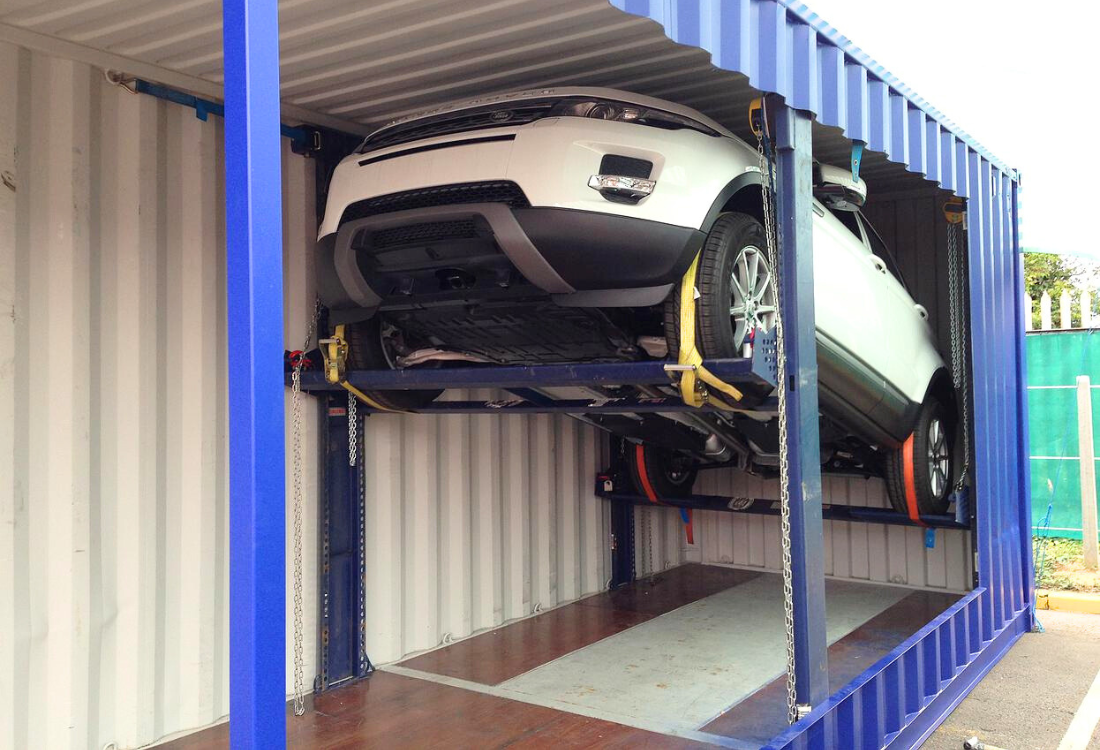
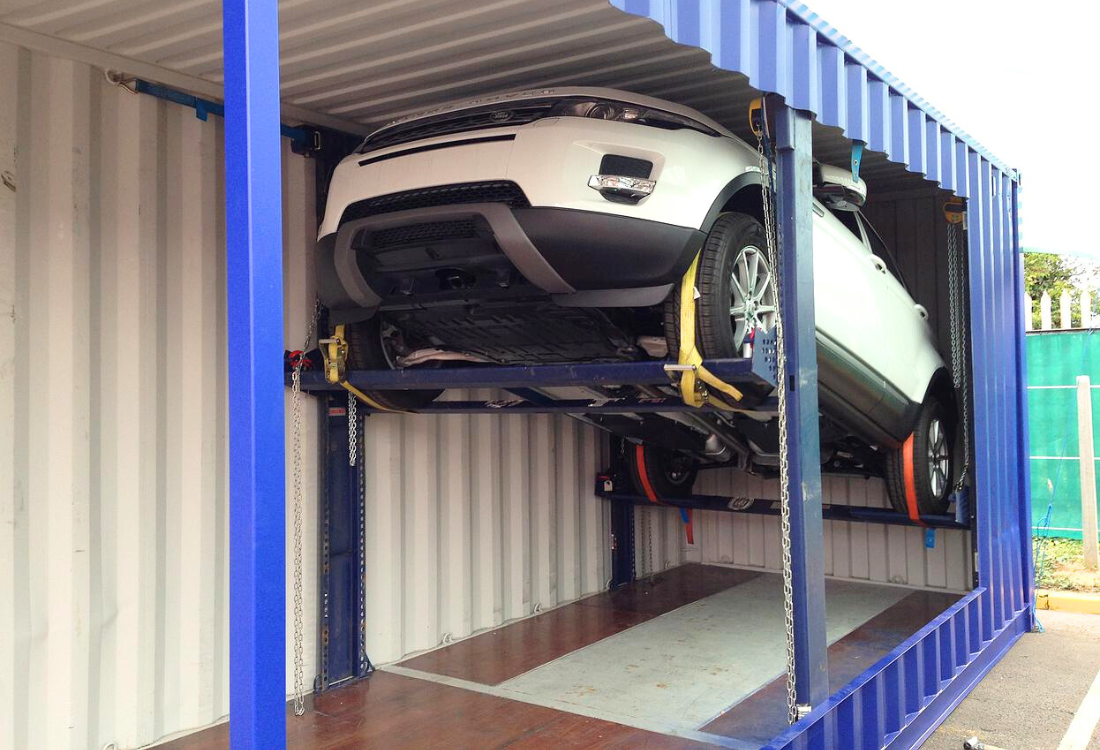
For vehicle shippers, this reinforces the importance of efficient container loading strategies. Whether transporting complete vehicles, automotive components or specialist equipment, maximising the use of available container space remains one of the most effective ways to reduce costs and improve sustainability.
How Trans-Rak Supports Evolving Automotive Supply Chains
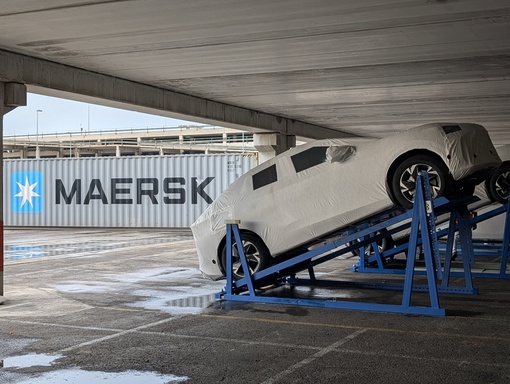
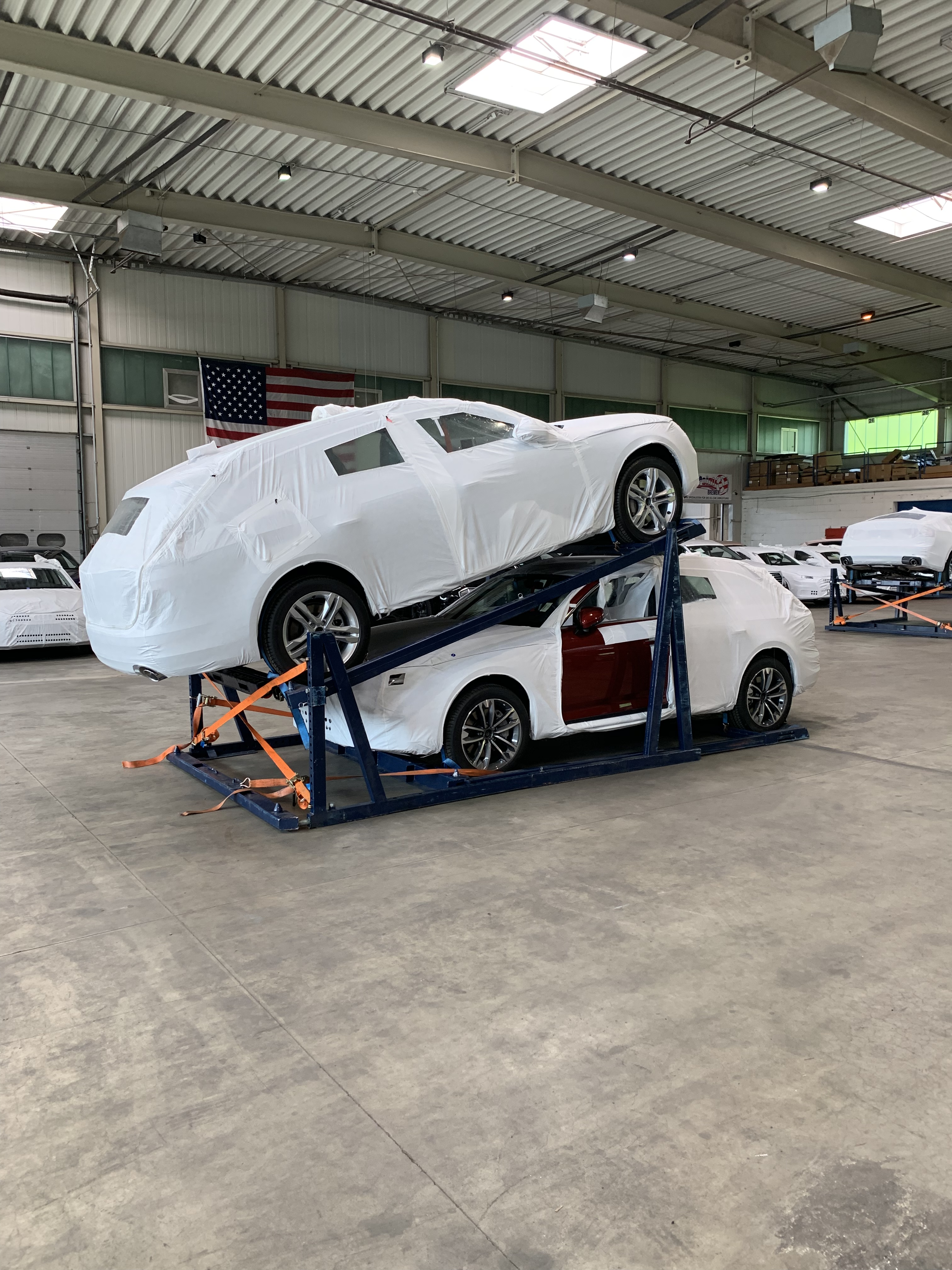
As manufacturing locations evolve, so too must the methods used to transport vehicles and automotive components efficiently. At Trans-Rak International, we've spent over 25 years helping OEMs, shipping lines and logistics providers maximise container utilisation while protecting valuable cargo in transit. Whether supporting established export routes or new regional manufacturing operations, our reusable vehicle racking systems enable more vehicles to be shipped safely within standard ISO containers, reducing transport costs, improving supply chain flexibility and helping customers lower their environmental impact. As global automotive supply chains continue to adapt, efficient containerised transport will remain a key part of the logistics equation.
Looking Ahead
While large-scale Chinese manufacturing in the UK is still developing, the direction of travel is becoming increasingly clear. Chinese automotive brands are growing rapidly in Britain and several manufacturers are actively exploring ways to deepen their local presence.
For the logistics industry, these developments represent both challenges and opportunities. Supply chains are becoming more complex, but they are also creating new routes, new partnerships and new demand for innovative transport solutions.
As manufacturing and logistics continue to evolve together, businesses that can adapt quickly and maximise efficiency will be best placed to succeed.