In international vehicle logistics, quoting the ocean freight alone is never usually enough to secure a sale. What clients actually care about, and what determines whether a shipment is profitable or painful, is your Total Landed Cost (TLC). Accurately calculating and communicating the TLC is especially important if you are shipping multiple vehicles, or using space-optimisation tools such as multi-vehicle racking solutions. What “Total Landed Cost” Really Means?
Total Landed Cost is the all-in cost of moving a vehicle from origin to its final destination, fully cleared and ready for delivery. It goes beyond transport and includes every regulatory, operational, and financial expense incurred along the way. A common mistake in vehicle shipping is underestimating TLC by missing downstream costs such as port handling, customs clearance, duties, or storage fees. These omissions often surface only after arrival, damaging client trust and margins.
Core Components To Include In Total Landed Cost
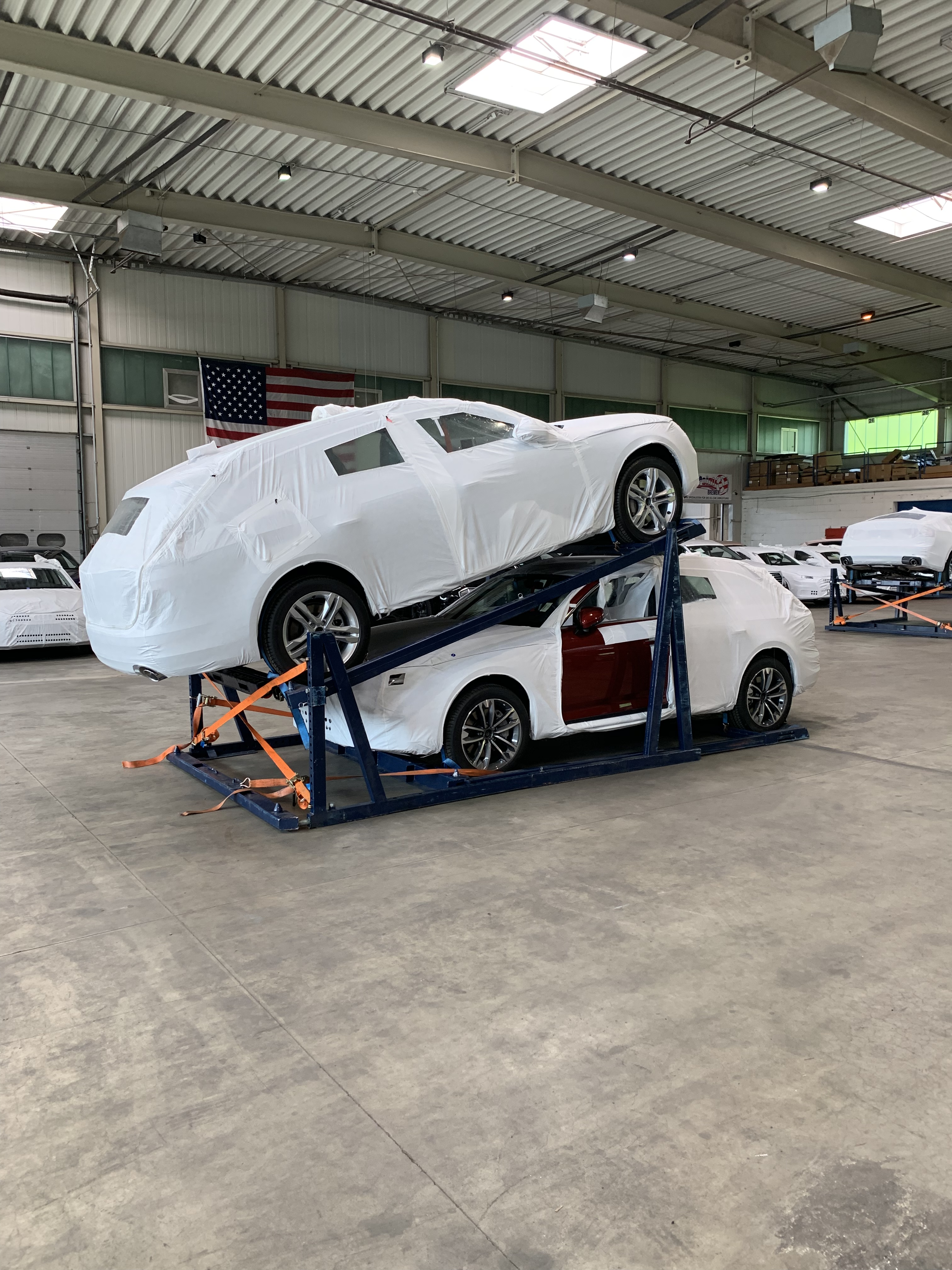
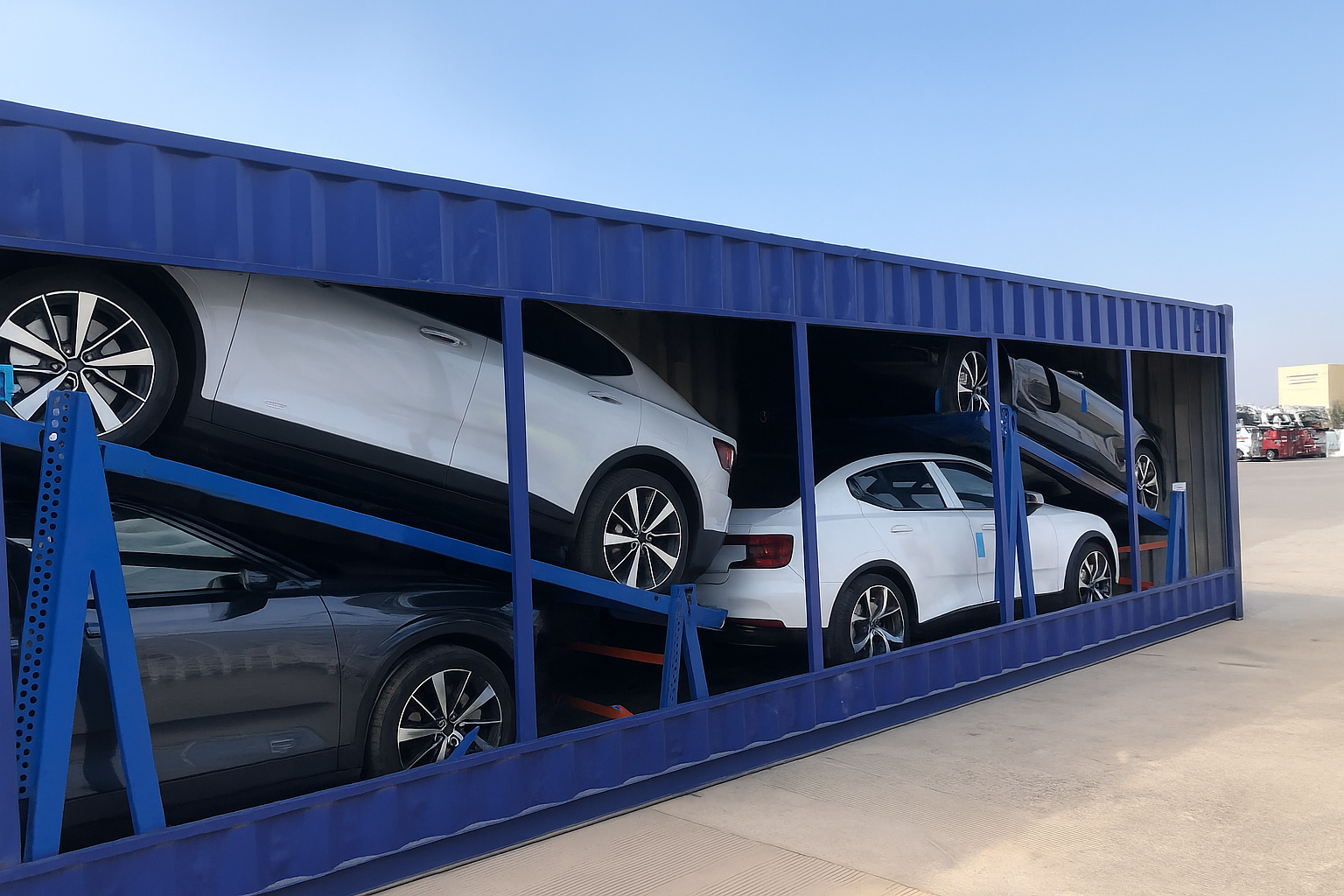
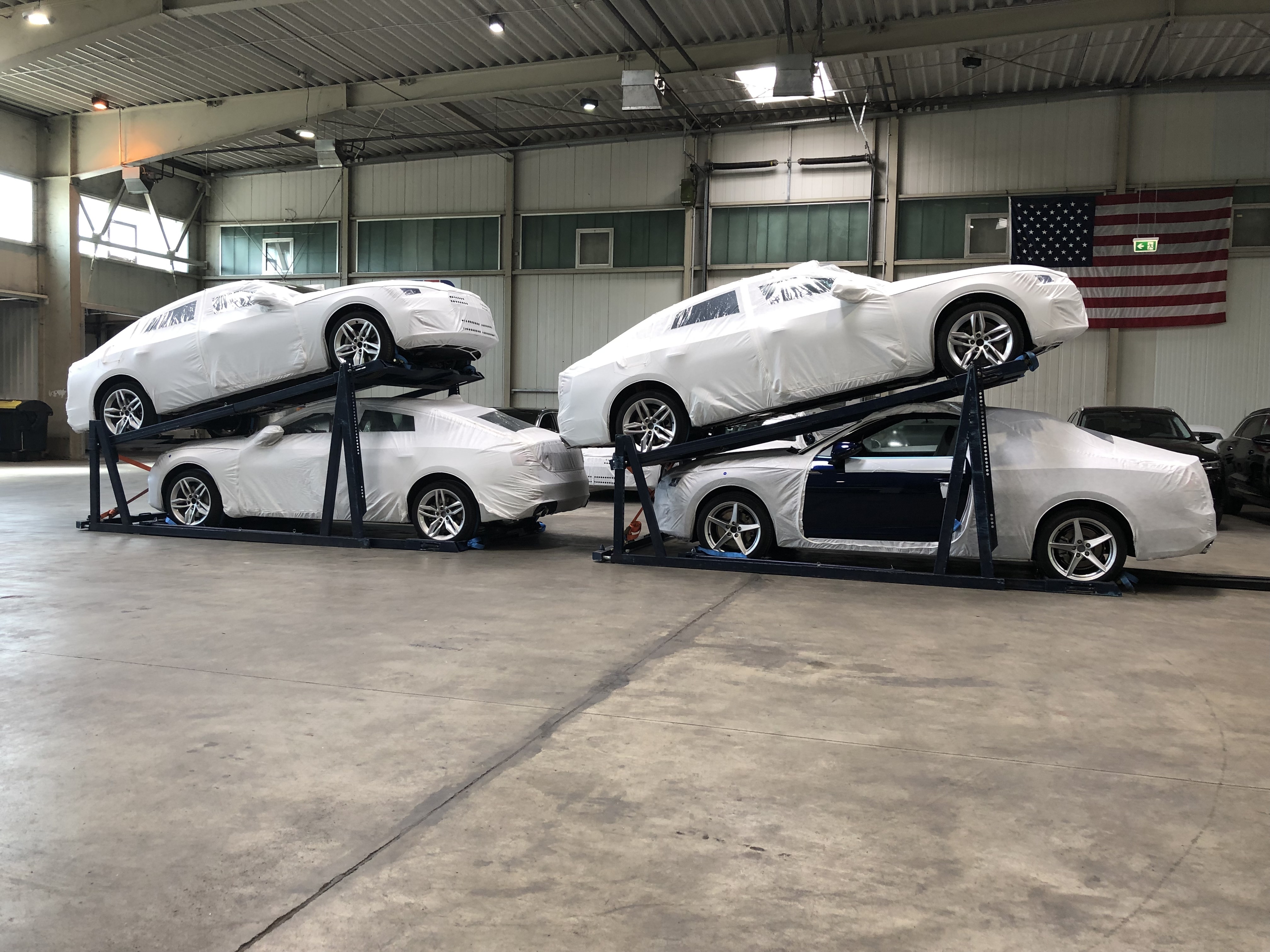
At a minimum, TLC in vehicle shipping should include any origin charges (i.e. the costs incurred in the export country before the vehicle leaves), international transport, destination charges, and regulatory costs. On the origin side, this can include vehicle collection, export handling, documentation, road transit, and loading. For containerised shipments, the method of loading has a direct impact on cost efficiency. Using steel car racking systems can significantly reduce your per-vehicle cost by maximising container capacity and improving load security, especially for dealer or fleet shipments.
International transport costs typically include ocean freight, shipping container hire, and insurance. While these are often the most visible line items on an invoice, they are rarely the most volatile. Destination costs are where surprises tend to occur most frequently: port terminal handling charges, customs broker fees, customs duties, inspection fees, tariffs, and any demurrage or storage caused by delays.
Why Container Utilisation Matters?
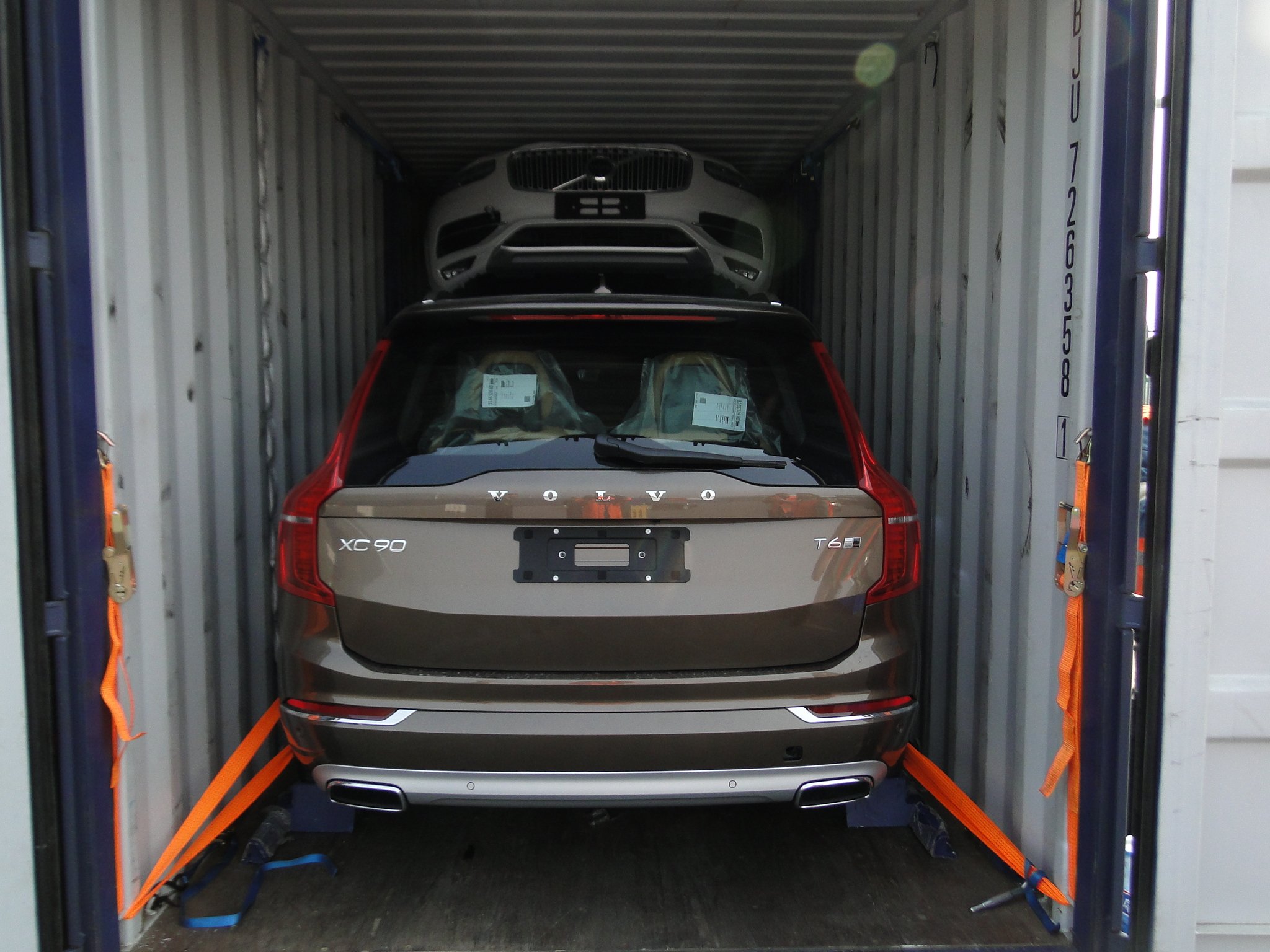
One of the most common questions we receive from customers is ‘how many cars go in a container?’. The answer directly affects the Total Landed Cost per unit. A standard ISO 40-foot container can usually carry two vehicles without racking, but with an engineered multi-vehicle racking solution such as our R-RAK, this can often increase to four or more vehicles, depending on the size and weight. Higher container utilisation spreads your fixed costs (freight, port charges, and documentation, etc) across more units, lowering the landed cost per vehicle.
How To Calculate Your Total Landed Cost In Practice?
The most reliable approach is to calculate TLC on a per-vehicle basis, even for large, consolidated shipments. Start with the total shipment cost, including all the origin, freight, and destination charges, then divide by the number of vehicles actually shipped. This ensures your pricing remains accurate when using racking systems or mixed vehicle loads.
What Next?
By increasing shipping container utilisation and reducing handling efficiencies, our multi-vehicle racking solutions lower your cost per vehicle across transport, storage, and damage risk. Please get in touch today to find out more.
If you’re only comparing freight rates, you’re missing the real cost of vehicle logistics. Your total landed cost (TLC) in vehicle shipping depends on customs value, handling, storage, VAT, and how many cars you can actually move per container. Our latest article breaks down what to include in TLC, how to calculate it, and where smarter racking delivers measurable savings. Read more here.