Exporting a vehicle from the UK to the United States is not difficult, but it is procedural. For automotive logistics businesses, therefore, success depends less on timing and more on disciplined sequencing: compliance screening first, documentation second, movement last. This guide walks through the process as it actually works in the field, explaining the regulatory framework, the documents that matter, and the best practices that prevent delays, penalties, and unhappy clients.

Step 1: Establish That The Vehicle Can Legally Enter The United States
Before you quote, book, or move anything, you must confirm that the vehicle is admissible under US federal law. Three authorities govern vehicle imports. Emissions fall under the Environmental Protection Agency, vehicle safety under the National Highway Traffic Safety Administration, and customs clearance under U.S. Customs and Border Protection.
The most important screening factor is the vehicle age. Vehicles that are 25 years old or older, calculated from the month and year of manufacture, are exempt from US safety standards and are therefore far easier to import. This is the basis of the widely used “25-year rule.” Vehicles newer than 25 years must either fully comply with US safety and emissions standards or be imported through specialised and often costly compliance pathways. From an international car shipping perspective, these newer, nonconforming vehicles should be flagged early as high-risk shipments.
A disciplined exporter uses a pre-export compliance check that confirms VIN accuracy, build date, emissions labels (if present), major modifications, and right-hand-drive status. If the vehicle fails this screening, it is far cheaper to stop before any shipping costs are incurred.
Step 2: Define The Commercial Structure And The Importer Of Record
Once admissibility is confirmed, your next decision is who is legally responsible in the United States. The Importer of Record (IOR) is the party that files US customs entry, signs EPA and DOT declarations, and pays duties and fees. This may be your client, a US-based agent, or a customs broker acting under power of attorney.
This decision should be locked in contractually, alongside the chosen Incoterms. Many operational problems arise when Incoterms suggest one level of responsibility while the paperwork assumes another. If your company is not actually controlling US customs clearance, avoid delivery terms that imply that you are. Clear allocation of responsibility at this stage protects margins and prevents disputes once the vehicle has arrived at a US port.
Step 3: Complete UK-Side Export Formalities And DVLA Notification
On the UK side, the exporter must be properly established to export goods, including holding a GB EORI number. In addition, any vehicle leaving the UK permanently must be reported to the Driver and Vehicle Licensing Agency (DVLA). This is done by completing the permanent export section of the V5C log book. The exporter submits the export notification to DVLA and retains the remainder of the V5C, which will later be used for US titling or registration. This step is administrative rather than logistical, but skipping it frequently causes problems for owners months later.
Step 4: Assemble A Complete And Accurate Document Pack
Vehicle exports succeed or fail on documentation quality. A professional logistics business builds a single, consistent document set before the vehicle is delivered to the port.
The core documents you need include a commercial invoice for each individual vehicle or consignment showing the true transaction value, the V5C registration document, a bill of lading once the shipment is booked, and a condition report with photographs. For US entry, two declarations are essential: EPA Form 3520-1 for emissions and DOT Form HS-7 for safety compliance. These forms declare the legal basis under which the vehicle is being imported and must match the vehicle’s age and configuration precisely. Errors here – especially mismatched VINs or incorrect exemption codes – are among the most common causes of US customs delays.
Step 5: File The UK Export Declaration
Every vehicle leaving the UK requires an export declaration lodged through the UK customs system. This can be done directly by the exporter or via a customs agent, but it must be completed and cleared before the vehicle physically departs the UK. The declaration must accurately state the vehicle’s value, commodity code, and destination. Best practice is to treat customs clearance as a formal “go/no-go” gate: if the export entry is not accepted, the vehicle does not move to the terminal.
Step 6: Prepare The Vehicles For International Transport
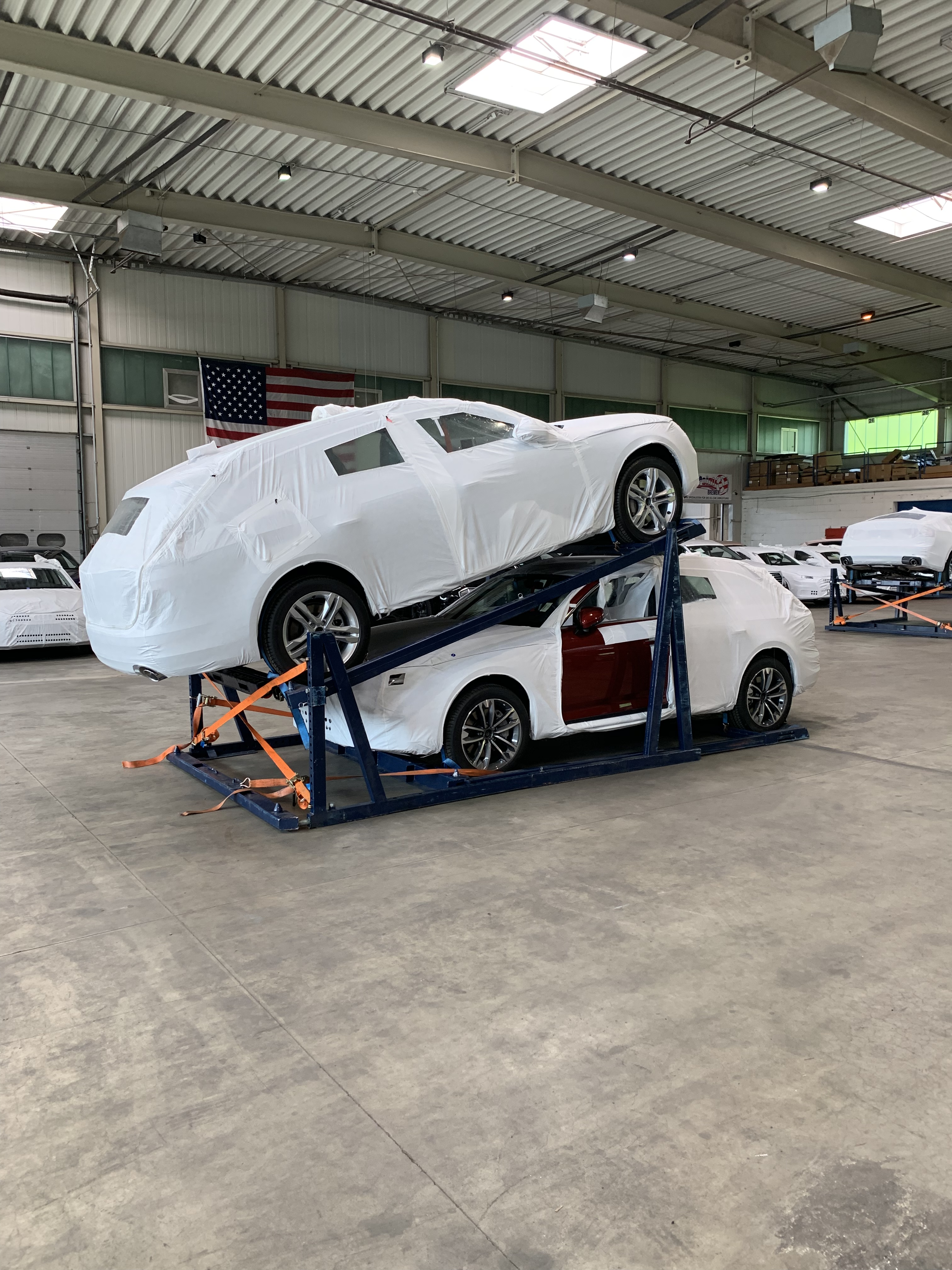
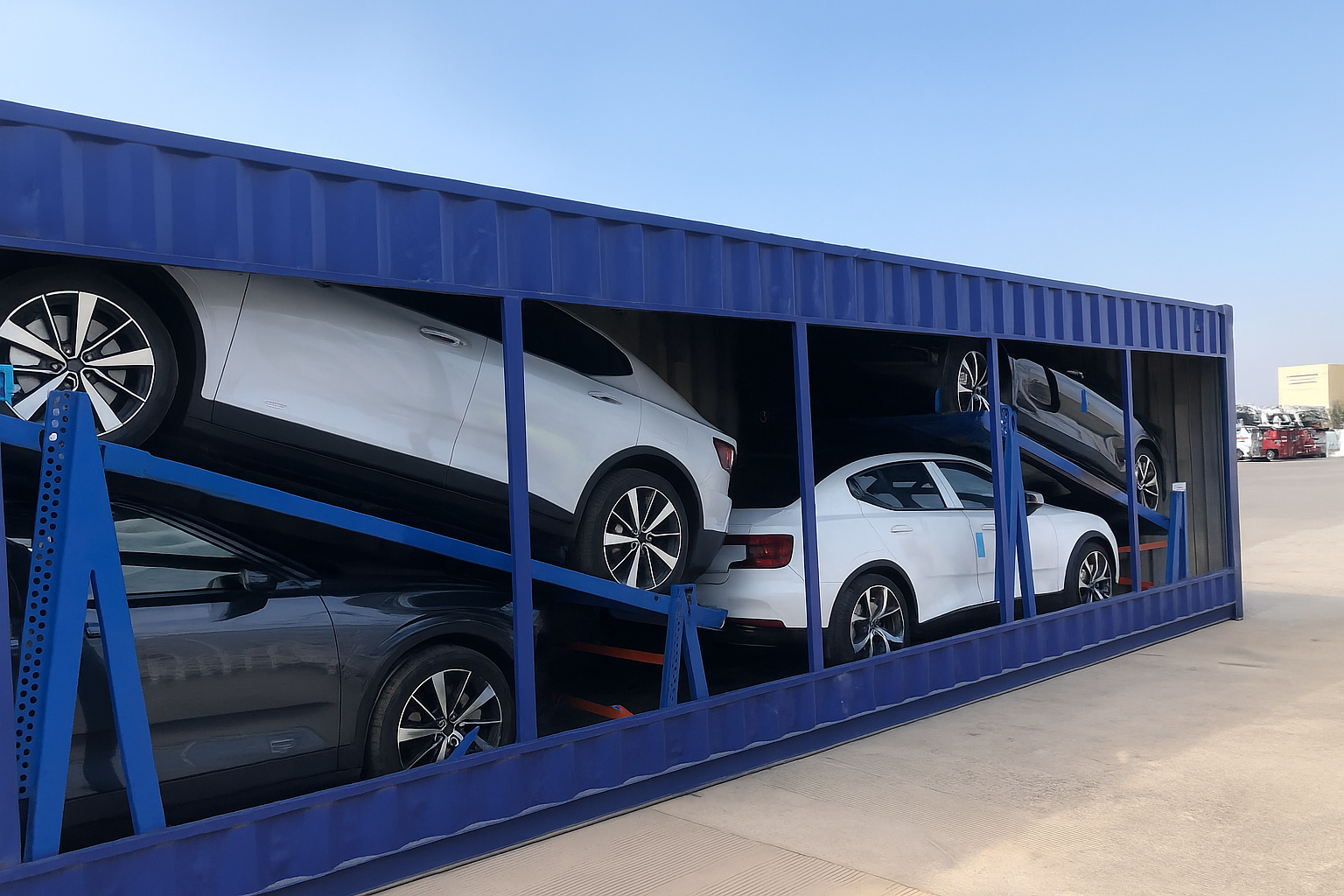
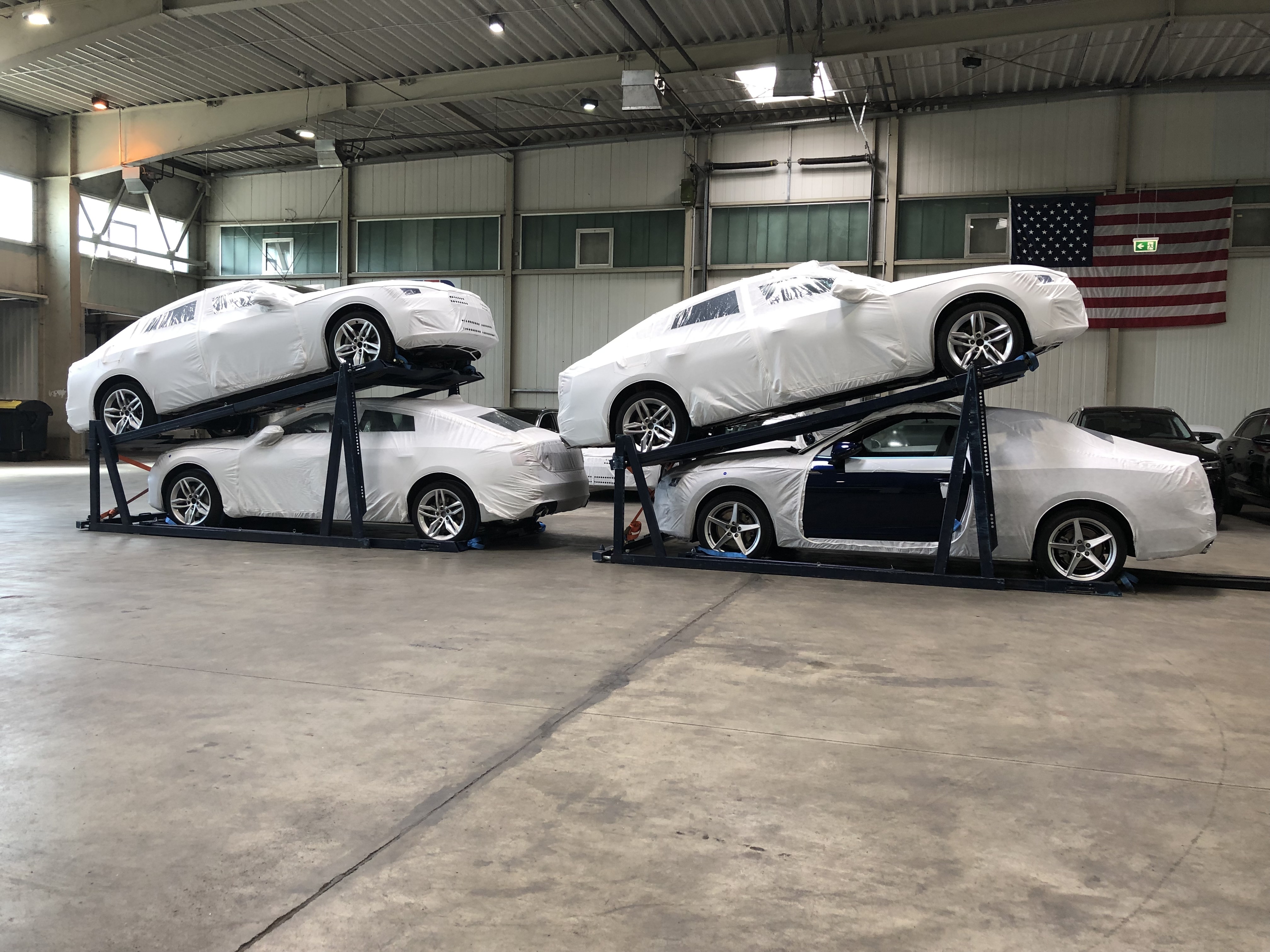
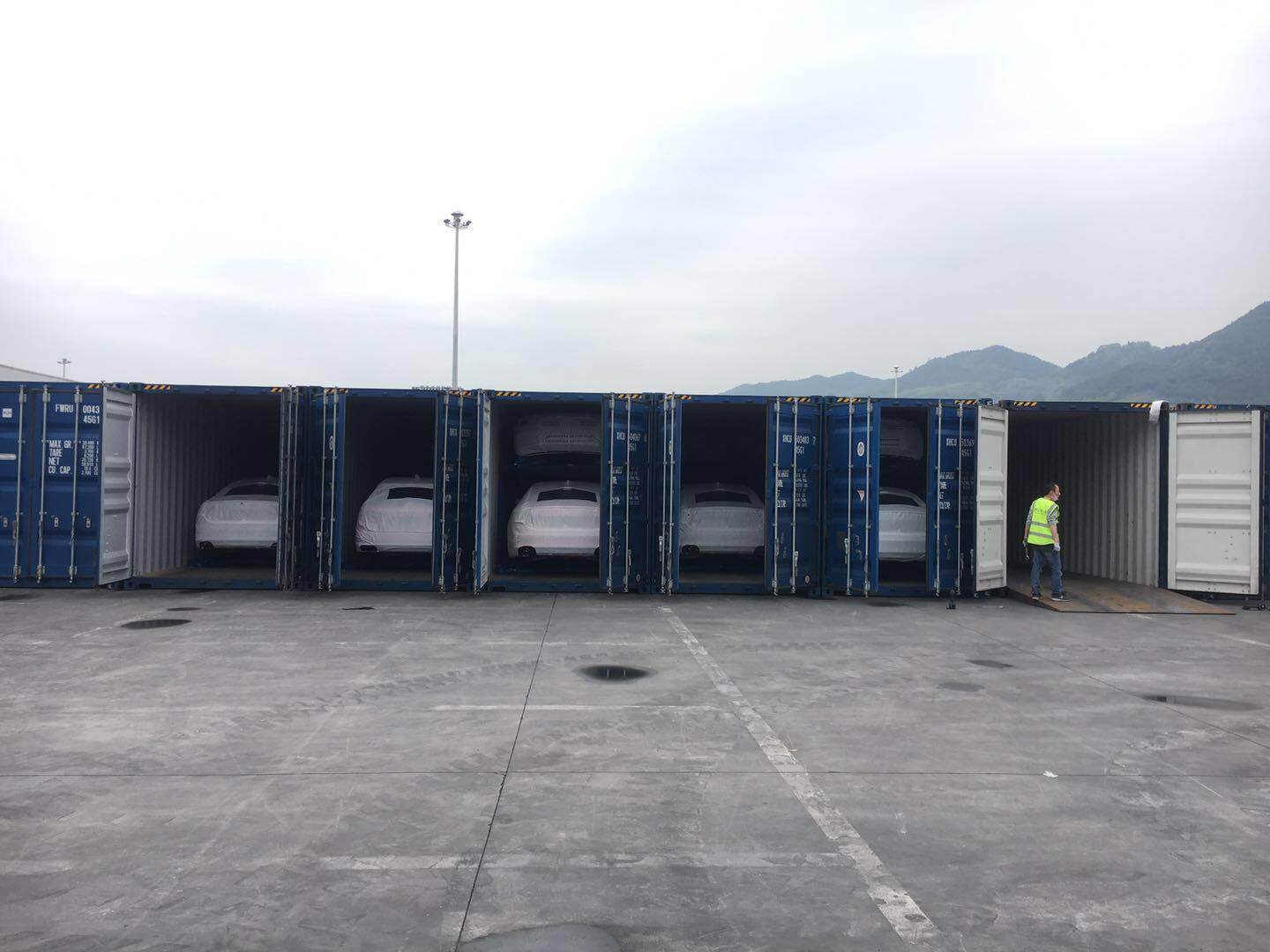
Operational preparation reduces both damage risk and regulatory friction. Vehicles should be clean, with minimal fuel, alarms disabled, and batteries managed in line with carrier requirements. If shipping pre-owned vehicles, personal effects should not be left inside the vehicle unless explicitly declared and approved. At this stage you will also decide between roll-on/roll-off (RoRo) shipping and containerisation. RoRo is cost-effective and widely used for vehicles, while containers offer greater protection and flexibility for high-value or sensitive shipments. The right choice depends on consignment value, risk tolerance, and your client’s expectations.
Step 7: Complete US Pre-Arrival Security Filings
For ocean freight, US law requires an Importer Security Filing (ISF) to be submitted before the vessel departs the foreign port. This filing uses shipment data such as shipper, consignee, and container details to support US cargo security. Although often handled by a US customs broker, responsibility ultimately rests with the Importer of Record. From an operational standpoint, no vehicle should be loaded without confirmation that ISF data is complete and ready.
Step 8: Clear US Customs And Pay Duties
On arrival in the United States, your customs broker files formal entry with U.S. Customs and Border Protection, supported by the EPA and DOT declarations. Duties are assessed at this stage. Passenger vehicles (whether new or second hand) are typically subject to a 2.5% import duty, while other vehicle types may be assessed differently depending on classification. Once duties and fees are paid and no inspections are pending, the vehicle is released from customs and can move inland.
Step 9: Support Post-Clearance Handover And Client Registration
Customs release is not the end of the process for many customers. US state motor vehicle agencies often require copies of the stamped customs entry, EPA and DOT forms, the commercial invoice, and the V5C to title or register the vehicle. A logistics business that provides a clean, organised “DMV-ready” document pack adds significant value and reduces follow-up issues long after delivery.
Find Out More
Our proven container racking solutions are fully optimised for transatlantic shipping, helping automotive logistics providers and OEMs maximise container utilisation and minimise risk when shipping to the USA. Click here to find out more, or call one of our team today on +441926 408282.
Nearly 80% of UK-built cars are exported, but vehicle exports to the US still trip up many shippers.
From documentation to container vs RoRo decisions, our new blog walks you through the essentials of shipping cars to the US without delays or surprises.