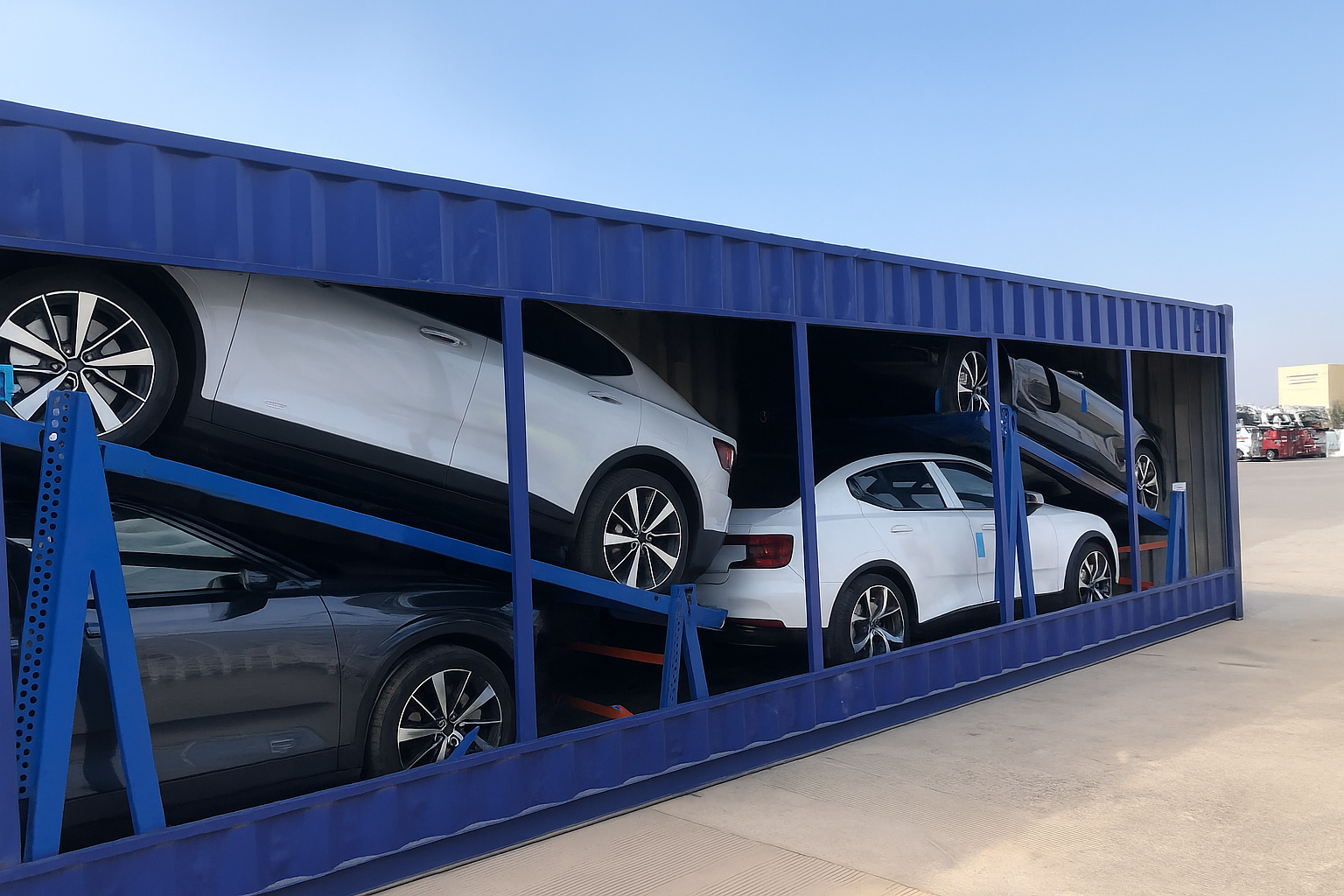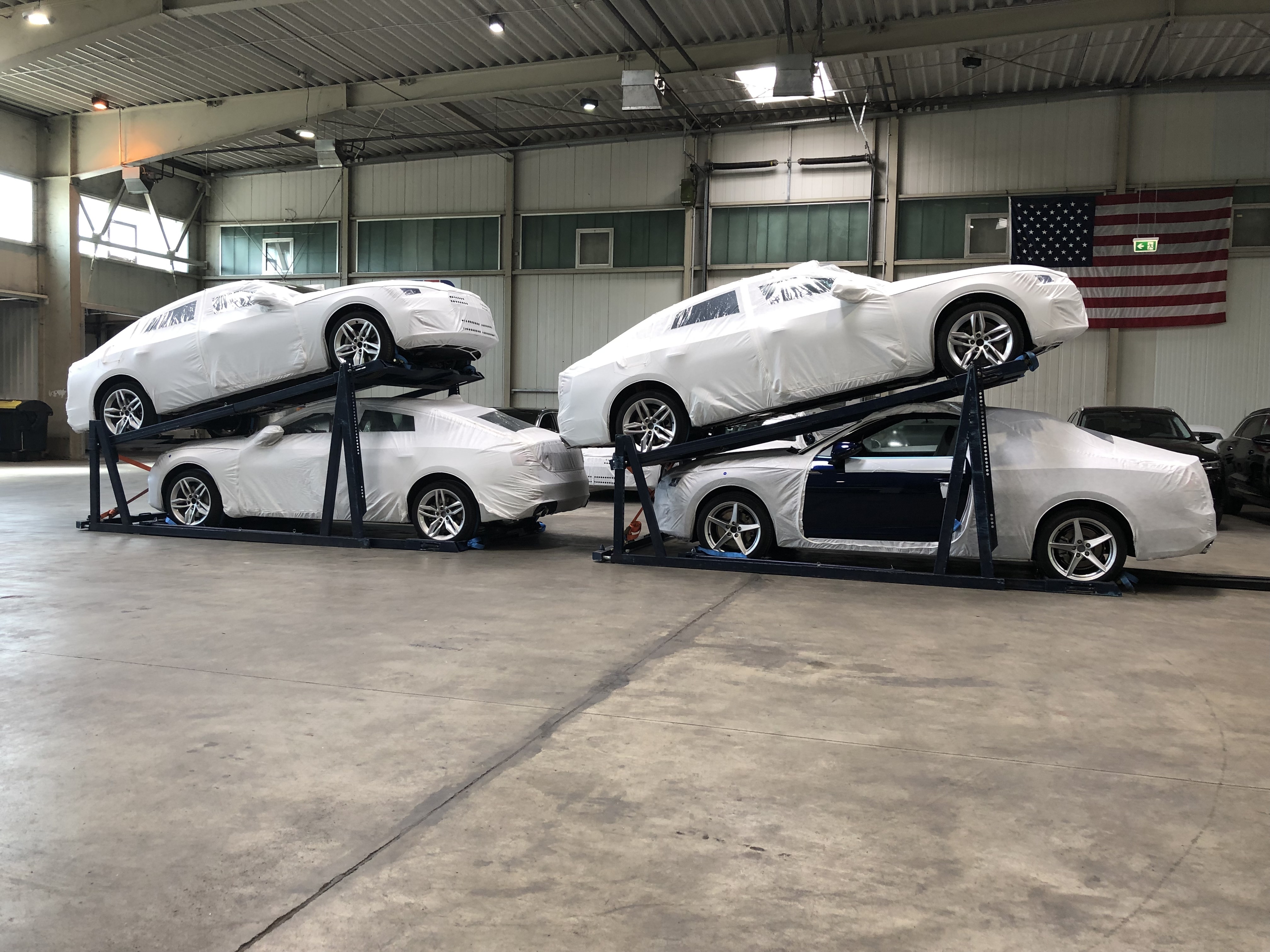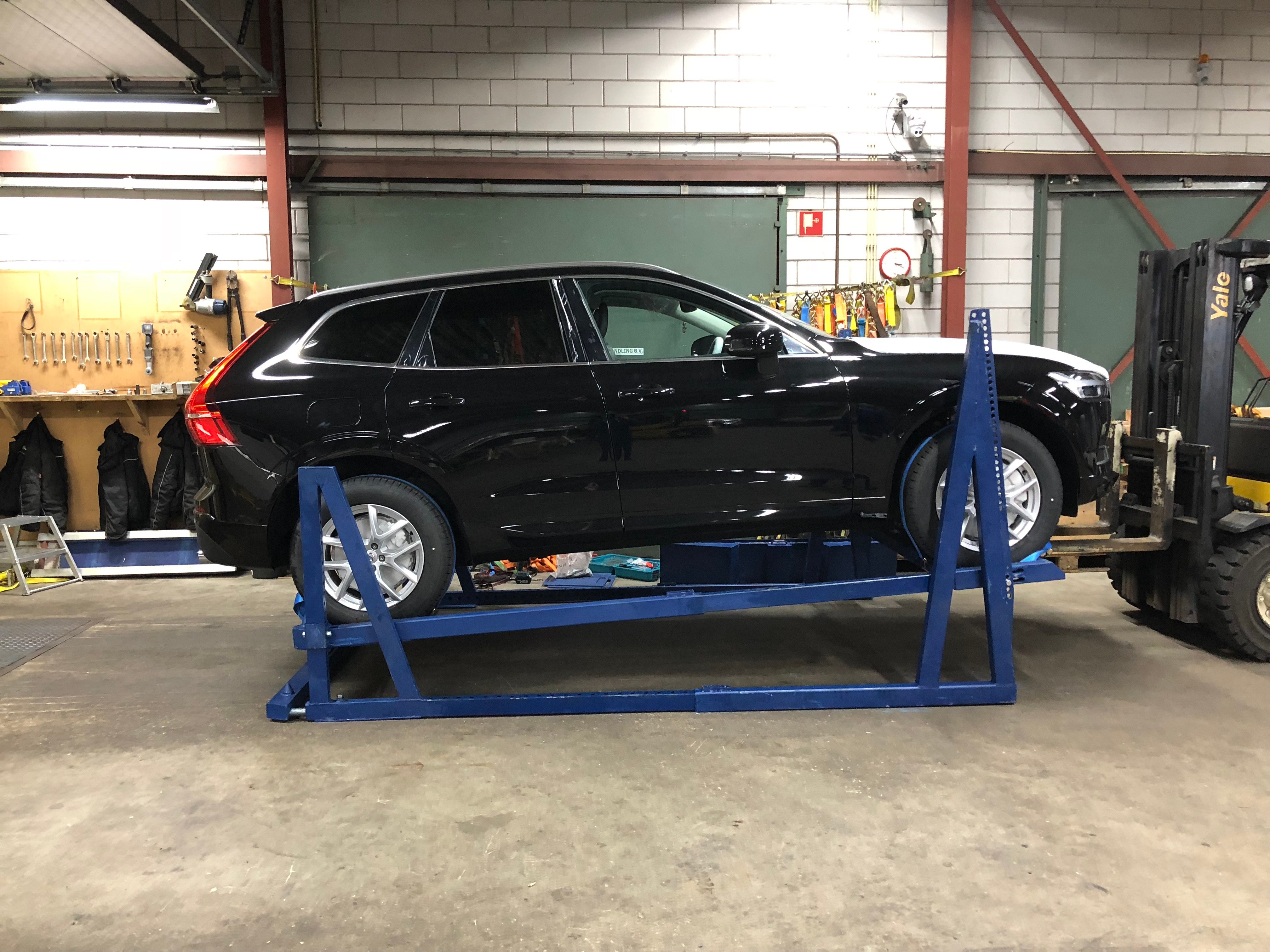
For much of the past two decades, vehicle logistics has sat comfortably below the executive radar. It was operational, repeatable, and – most of the time at least – predictable. Today, however, that assumption no longer fully stands. Among OEMs, exporters, and finished vehicle logistics providers, decisions once made at an operational level are increasingly being escalated to the board. This is not because logistics has suddenly become more complex in isolation, but because the risks attached to it have become more material to business continuity, financial exposure, and brand reputation.

Logistics risk is now an enterprise-level risk
Boards are accustomed to reviewing supply risk in areas such as energy, raw materials, and labour, and vehicle logistics is now joining that list. Disruption at international ports, shifting trade routes, regulatory scrutiny, and rising security exposure mean that automotive logistics decisions increasingly carry balance-sheet consequences. For international exporters, for example, a delayed or disrupted shipping programme can translate directly into revenue deferral, inventory distortion, or contractual penalties. In that context, sound logistics planning is essential for protecting cash flow, managing risk concentration, and maintaining resilience in volatile markets. This is particularly true for international car shipping, where long lead times and limited recovery options magnify the impact of poor planning decisions.
Capital allocation under scrutiny
Another reason international vehicle logistics has moved into the boardroom is capital discipline. Many boards are asking harder questions about where the capital is deployed and what returns it delivers. Temporary or fragmented logistics solutions, while flexible in the short term, often carry hidden costs over time through reworks, inefficiency, and greater risk exposure. Executives are therefore reassessing logistics infrastructure in the same way they assess production assets: looking at lifecycle costs, scalability, and risk mitigation. Decisions around vehicle transport solutions are coming to resemble capital investment decisions rather than procurement exercises. This shift partially explains why senior leadership teams are now involved earlier in discussions about export strategies, network design, and logistics standardisation.
Governance expectations have changed
Boards are also responding to rising governance and compliance expectations. Whether related to cargo security, customs scrutiny, or auditability of international movements, logistics is now expected to stand up to the same oversight as other critical business functions. From a governance perspective, the question is no longer simply ‘Can we move the vehicles?’ but ‘Can we demonstrate control throughout the journey?’ That mindset pushes logistics planning decisions upwards, because accountability for control ultimately sits with a company’s executive leadership. When logistics failures occur, such as missed launches, lost cargo, and reputational damage, they are rarely treated solely as operational issues anymore, but as governance failures.
Volatility has become structural
Historically, logistics volatility was often treated as cyclical. For example, a bad quarter, a congested port, or a temporary shortage would be a blip within a larger landscape of stability and continuity. Boom and bust cycles, and the disruption that went with them were – while problematic – at least largely predictable and straightforward to plan for. Today, many of the pressures facing automotive logistics are structural, rather than cyclical. Trade patterns are shifting. Production runs are shorter
and less predictable. Export routes are more fragmented. The economic landscape itself is more volatile and capricious.
Boards recognise that operating models designed for stable, high-volume flows are increasingly mismatched with current realities; and as a result, logistics planning is being revisited at a strategic level, alongside manufacturing footprint decisions and market-entry strategies. In this environment, resilience and optionality often matter more than pure cost efficiency, another reason senior leadership is taking a more active role.
What questions are boards asking?
At board level, the discussion around logistics typically centres on three questions:
1. Where are we most exposed if disruption occurs?
2. How quickly can we recover if a route, port, or market becomes unavailable?
3. Are our current vehicle transport solutions aligned with the way our business is actually evolving?
These are strategic, as opposed to operational questions, tied to risk appetite and long-term planning. For leaders involved in international car shipping, this means having to engage earlier with executive stakeholders, framing logistics decisions in terms of risk and return, and aligning operational choices with wider corporate objectives. The growing boardroom focus on logistics is a recognition that the way vehicles move through global networks is inseparable from how automotive businesses succeed.
Find out more
For information about our vehicle transport solutions and how we can support your strategic risk planning and decision-making, please contact Trans-Rak today by clicking here.