A new industry forecast shows that the global logistics automation market is expected to grow sharply from about US $36.9 billion value in 2025 to roughly US $70.6 billion by 2031 (some put the figure as high as B$146), representing an annual growth of more than 11% over five years. These systems, which include robotics, autonomous vehicles, and advanced control software, are being adopted within various logistics and transport sectors to improve efficiency at all levels of global supply chains.

This broader trend of automation reflects structural pressures facing many logistics providers, including the challenges of electric car transport, rising customer expectations, labour shortages, and the need to manage complex, global multimodal transport networks more efficiently; all factors that affect finished vehicle logistics (FVL) operations.
How Are Automation Trends Affecting The FVL Sector?
Within FVL – the specialised segment of logistics responsible for transporting new and used vehicles between manufacturing hubs, ports, and dealerships – automation and logistical efficiency have become key competitive issues over the past few years. Larger and more decentralised automotive supply chains are increasingly adopting automated shipment planning, digital tracking tools, and predictive systems to help streamline operations and reduce car shipping costs.
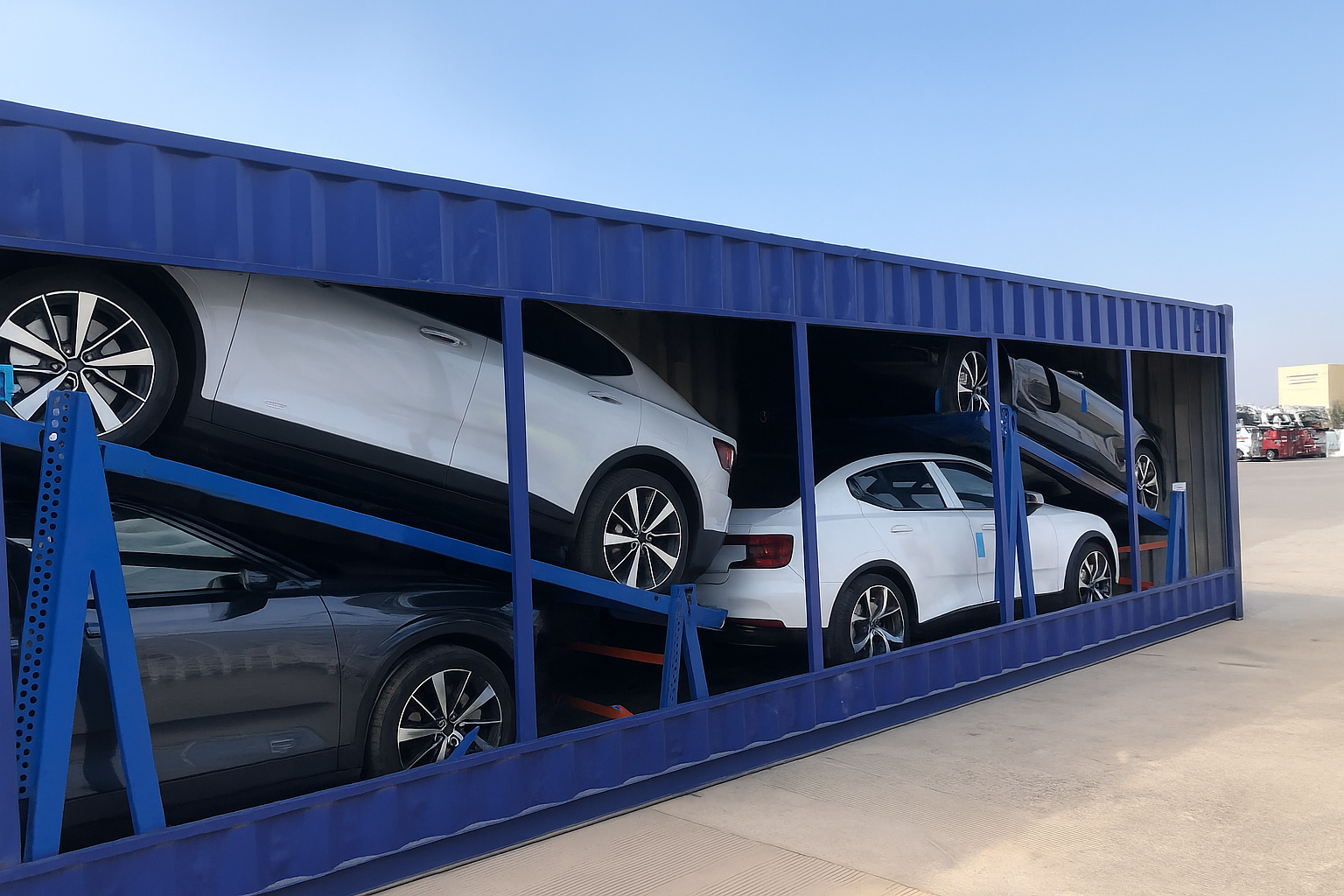
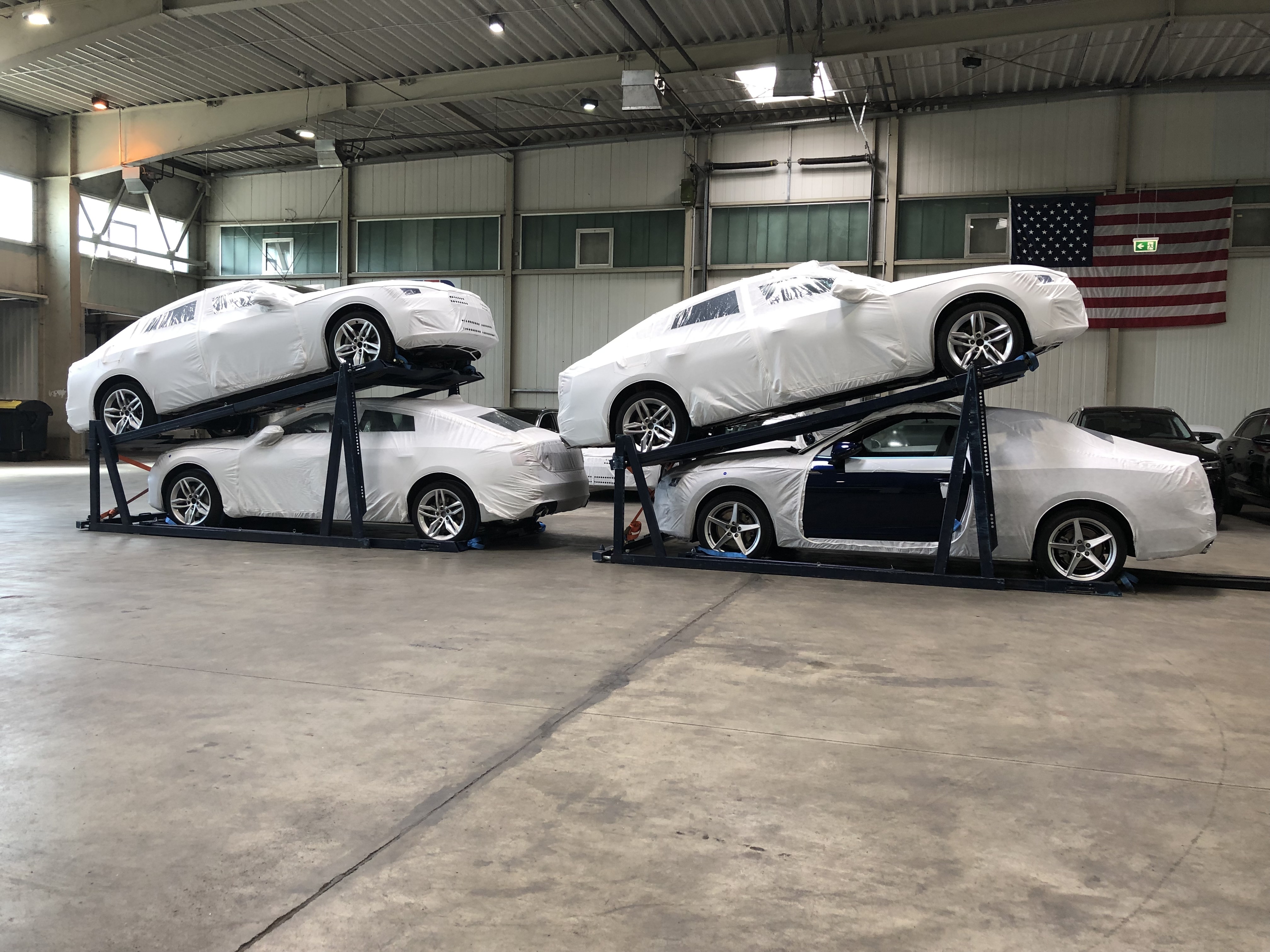
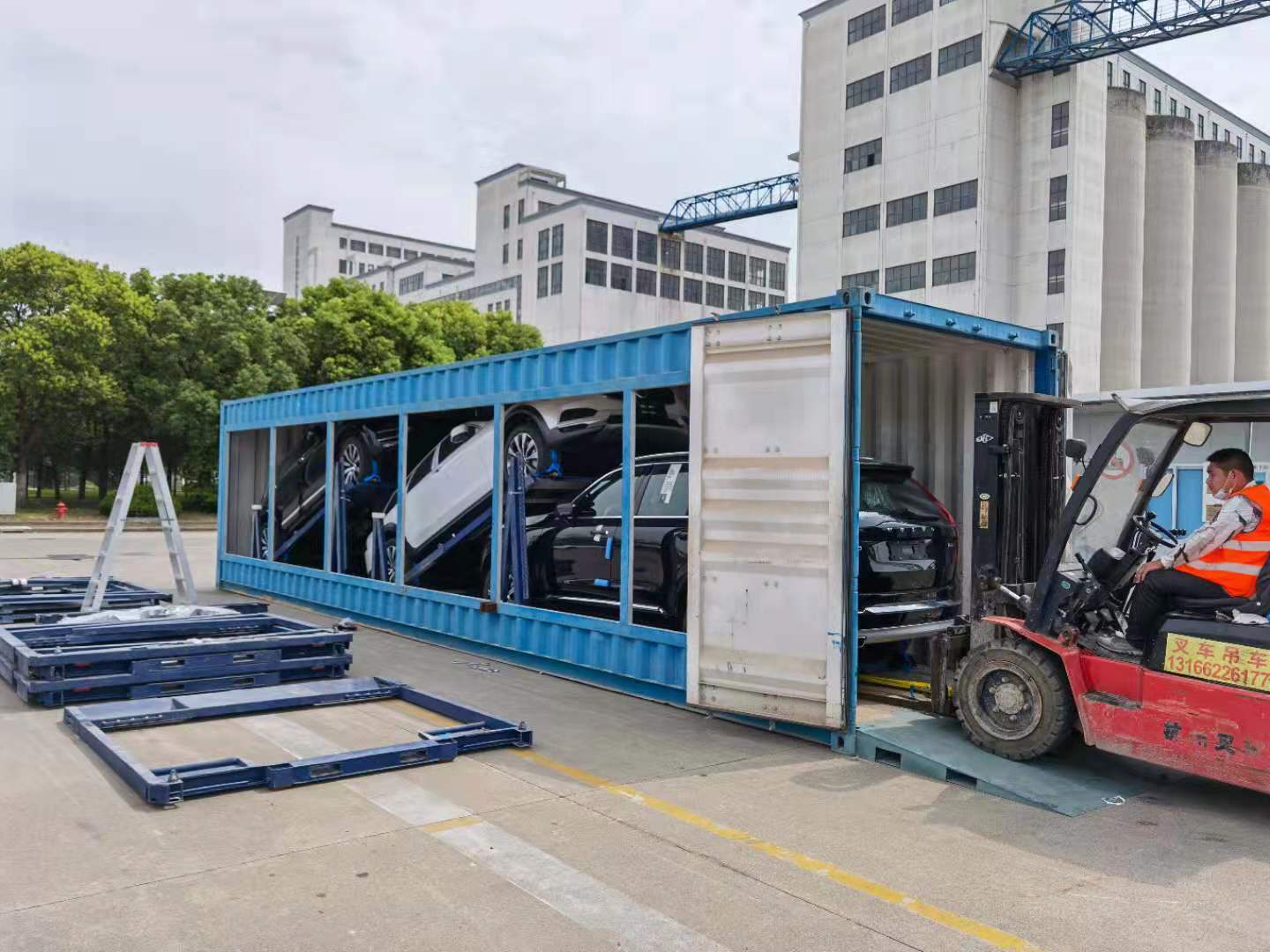
This momentum aligns with other industry developments, such as the growing trend of car containerisation for finished vehicles. Traditionally, vehicle exports always relied heavily on roll-on/roll-off (Ro-Ro) shipping, but containerised transport has gained traction for a growing number of trade lanes and niche requirements. Car containerisation offers greater flexibility in routing, safer handling and – in some cases – cost savings by better utilising existing shipping container capacity rather than specialised vessels.
Cars In Containers: Cost And Electric Car Transport Considerations
If there is one market vector that has set the metaphorical fox among the chickens in the FVL sector, it is electric car transport. These popular consumer cars come with an array of transport challenges not faced by internal combustion vehicles, including the fire risk posed by the large lithium-ion batteries used to power the vehicles. As exports of electric vehicles grow, containerised solutions and specialist racking systems give transport businesses a compatible way to handle EVs and their battery packs within existing container networks. This addresses many of the concerns around safe stowage and energy-dense components, and aligns with wider moves to decarbonise transport logistics.
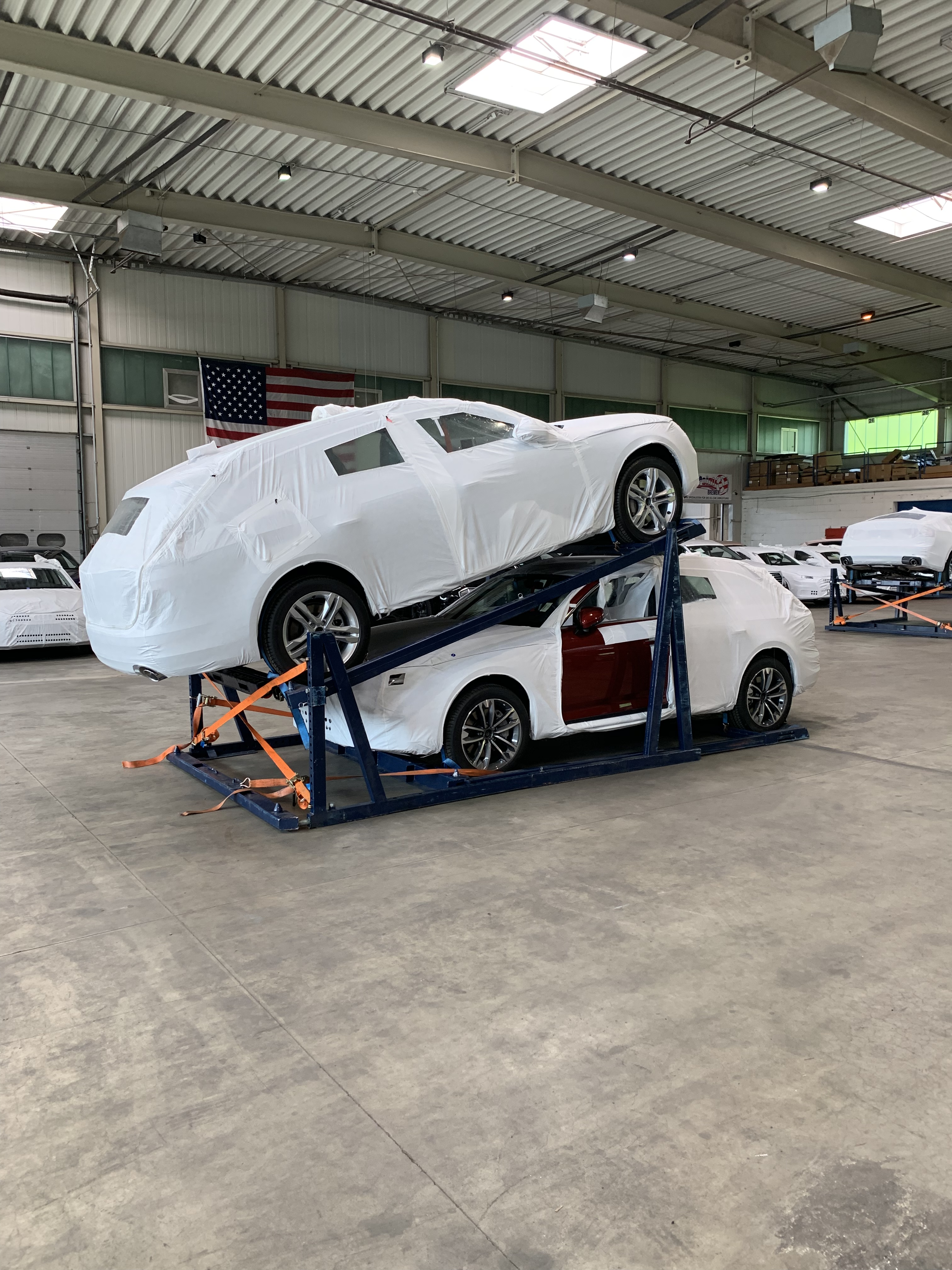
Using containerised racking isn’t just practical, it also lets you load more vehicles per container and use space more efficiently, which can reduce transport costs compared with partially filled Ro-Ro decks.
How Containerisation Ties In With Automation?
As more stakeholders adopt automated planning and robotic systems in their logistics operations, physical transport solutions that work with these digital workflows (such as adjustable vehicle racking for containers) help bridge the gap between planning and execution. Car containerisation with reusable racking can play a complementary role to automation software by allowing greater throughput and reducing the cost per unit through better utilisation of container capacity. Taken together, the logistics automation market expansion and the rising role of containerised vehicle transport reflect a strong shift in how international automotive supply chains manage efficiency, risk and cost in an increasingly digital and electrified world.
What Next?
To find out about our modular racking systems and how they can support your car containerisation strategy, please contact Trans-Rak today by clicking here.
Automation technology is changing logistics, but the real shift is happening at the container level, especially for ICE car and EV transport. In our latest article we explore how containerised vehicle transport is evolving in response.