On paper, containerised vehicle logistics looks straightforward: one fixed-size container, one freight rate, job done. In reality, however, moving vehicles by container carriers a number of hidden costs that don’t show up on the quote sheet. These costs creep in through slow loading, wasted space, inconsistent handling practices, and reworks at destination. None of these factors are dramatic enough to trigger alarms on their own – they are all part of an operation’s risk profile – but together, they can quickly erode profit margins.
The good news is that many of these leaks can be plugged with smarter equipment choices. In this article, we look at some of the most common hidden costs in containerised vehicle logistics, and how modular steel car racking changes the equation.

1) Paying for air instead of cargo volume
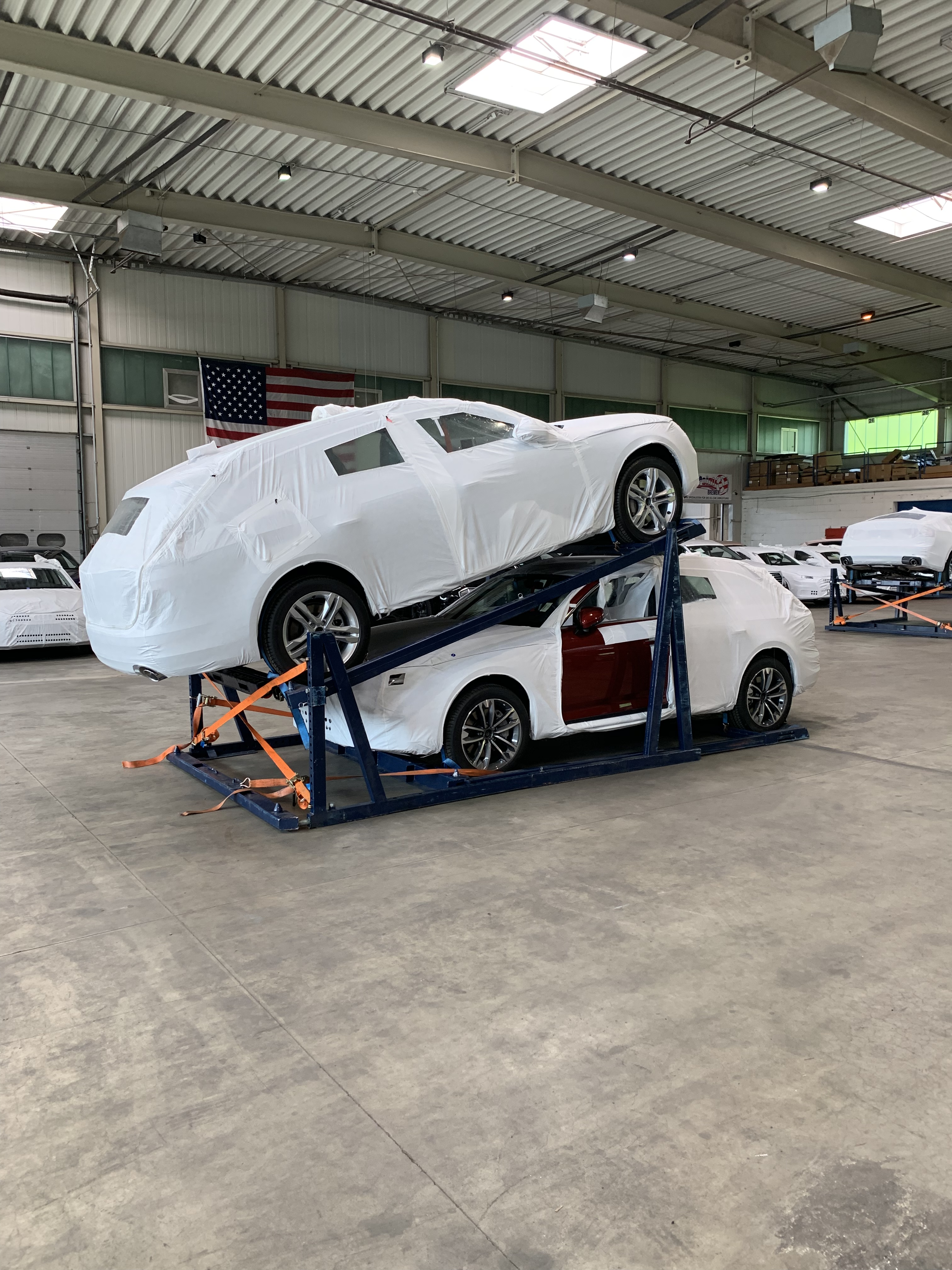
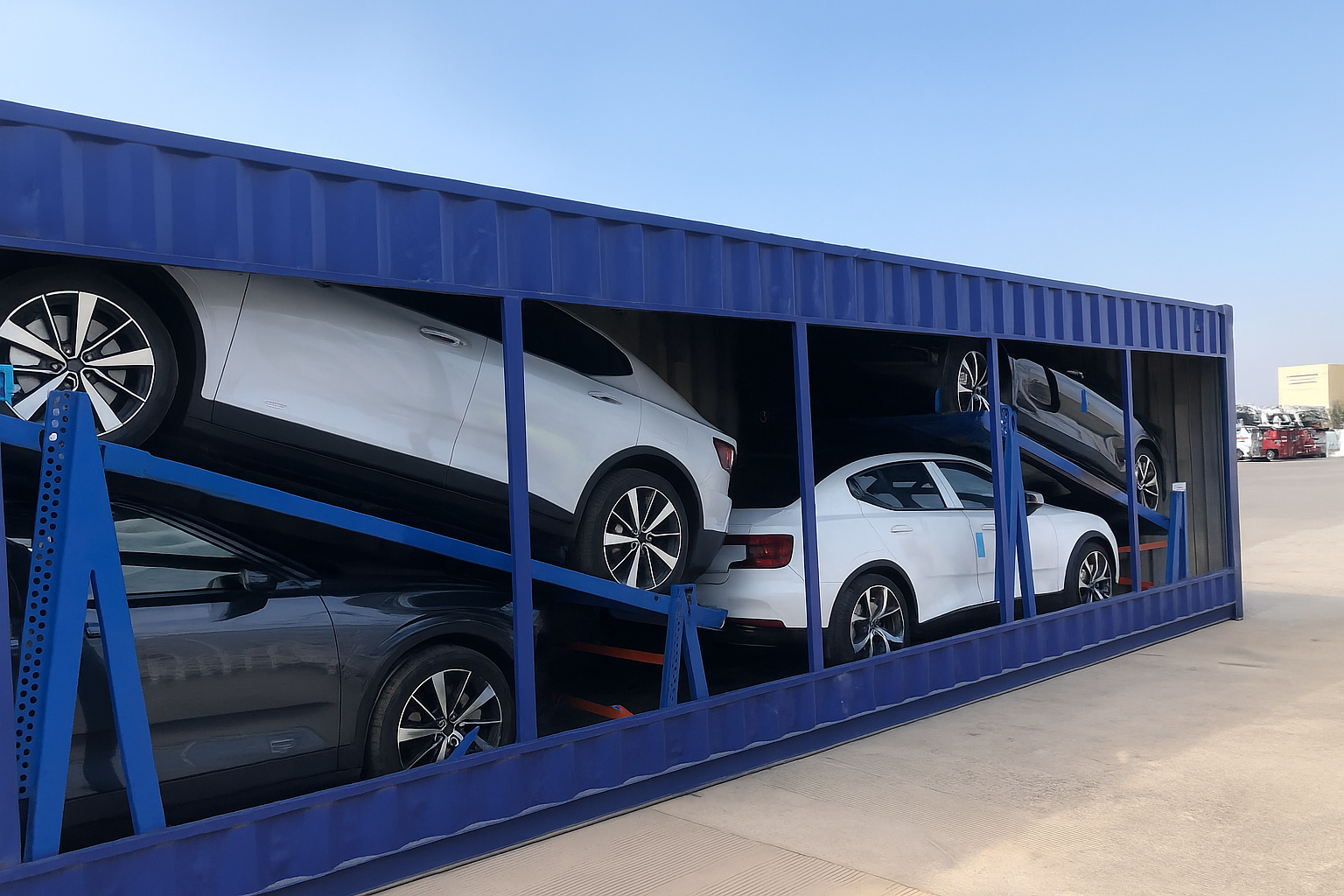
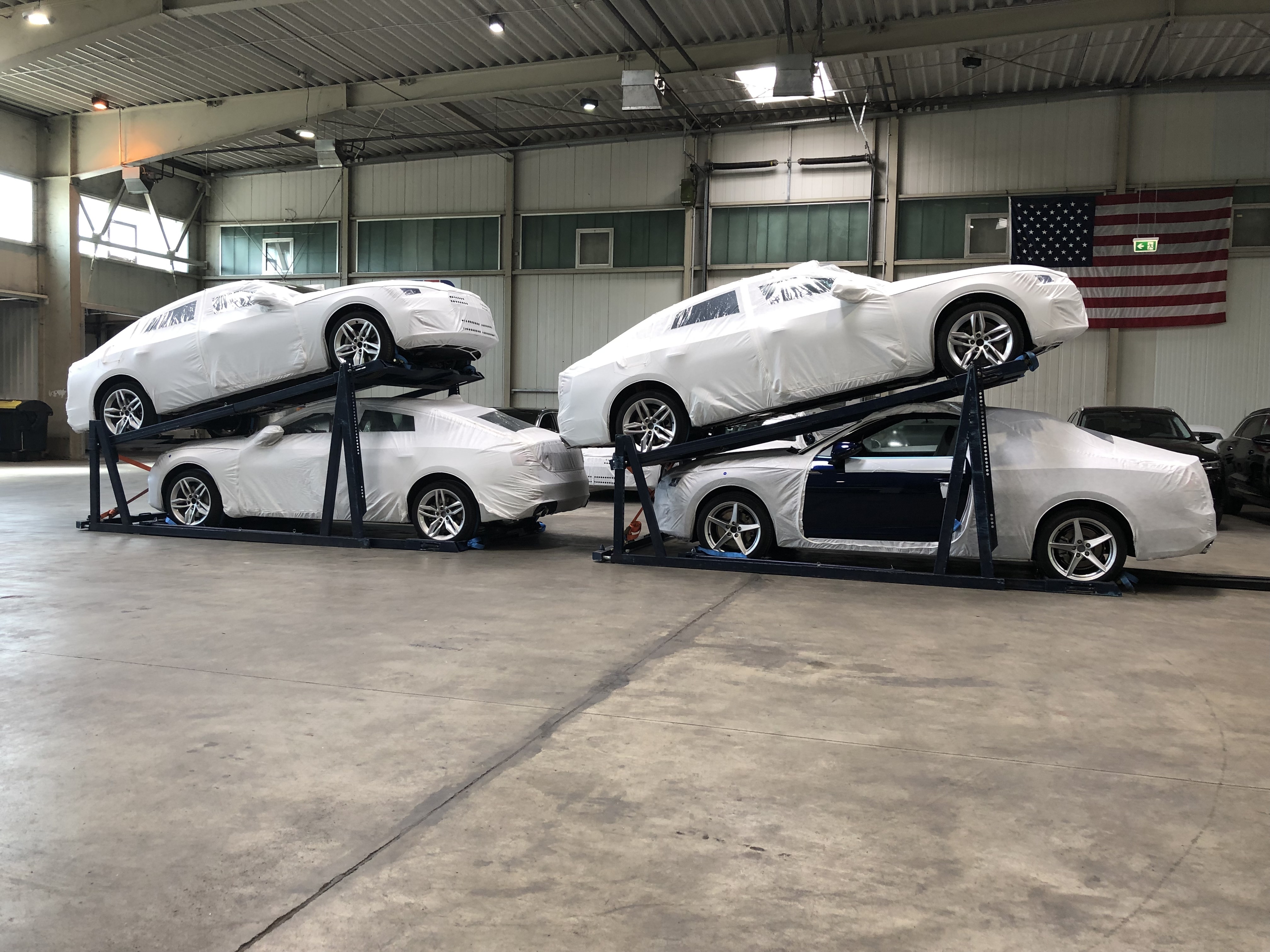
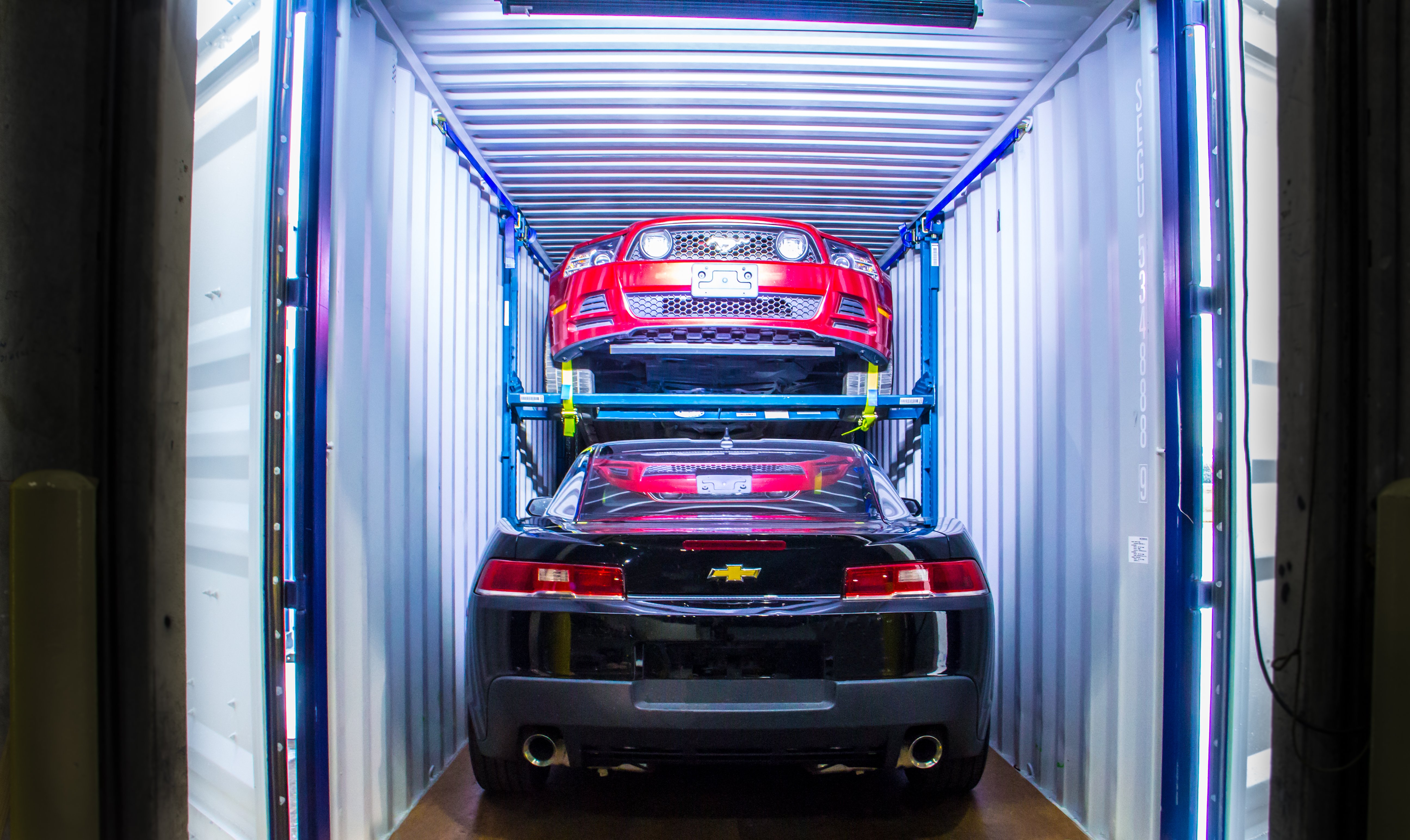
Underutilised container space is the cost that nobody sees. Two vehicles in a 40-foot container might be easy to move from A to Z, but it is rarely cost-effective to do so. Every cubic metre not used is margin left on the table. Multi-vehicle racking solutions turn two per container into three, four, or even five cars depending on the vehicle type. More units shipped per container means fewer containers needed per consignment, and therefore an immediate cost per unit reduction.
2) Slow loading ties up labour and equipment
If loading or unloading takes hours, you’re effectively paying for idle assets; labour waiting, containers sitting around, vessels missing departure windows. Single use racking and improvised wheel blocks all take time to build, adjust, and sign off. Modular steel car racking speeds up the rhythm. Once calibrated, the racking is loaded and unloaded the same way every time: predictable and repeatable, with much less stop-start decision-making needed. Faster turnaround times create better vehicle flows and allow more ships to be caught instead of missed.
3) Damage that only shows up after Customs release
Scratched paintwork or bent brackets are expensive not because they are dramatic, but because they are subtle and easy to miss. Damage is often noticed only after inland haulage or during dealer handover – long after the container has been unpacked. A well-engineered steel car racking system reduces this risk by avoiding metal to metal contact. This reduces vibration movement and holds alignment through long haul sea conditions. Less contact reduces your risk of damage, leading to fewer warranty and rework headaches.
4) Racking that only fits one model of vehicle
If your equipment only works for one type of vehicle, it becomes useless when your model cycle changes. A rack that sits unused then becomes a silent cost, eating up revenue in storage, maintenance, and depreciation. Modular steel racking avoids this. Designed to adapt to multiple vehicle classes, the deck height can be changed, dimensions flexed, and bracing adjusted in a matter of minutes, so that you can continue reusing your assets whenever a new platform launches.
5) Inconsistent loading plans
Every time a team needs to figure a procedure out from scratch, you lose efficiency, and you end up paying for thinking time rather than moving time. Variation between handling procedures and quality standards at different stages of the journey increases the risk profile of your operation and is among the most common causes of bottlenecks. Modular systems help you to standardise the process for everyone involved, making the programme more predictable. Regardless of where the vehicle is loaded/unloaded and who does it, the racking system follows the same process, with the same locking points, and the same workflow from origin to destination.
Find out more
The problem with hidden costs is that they don’t announce themselves, but they nevertheless quietly drain your budget and erode quality standards. A multi-vehicle racking solution, such as the R-RAK, can help you avoid these hidden costs. To find out more, please contact one of our experienced team today.