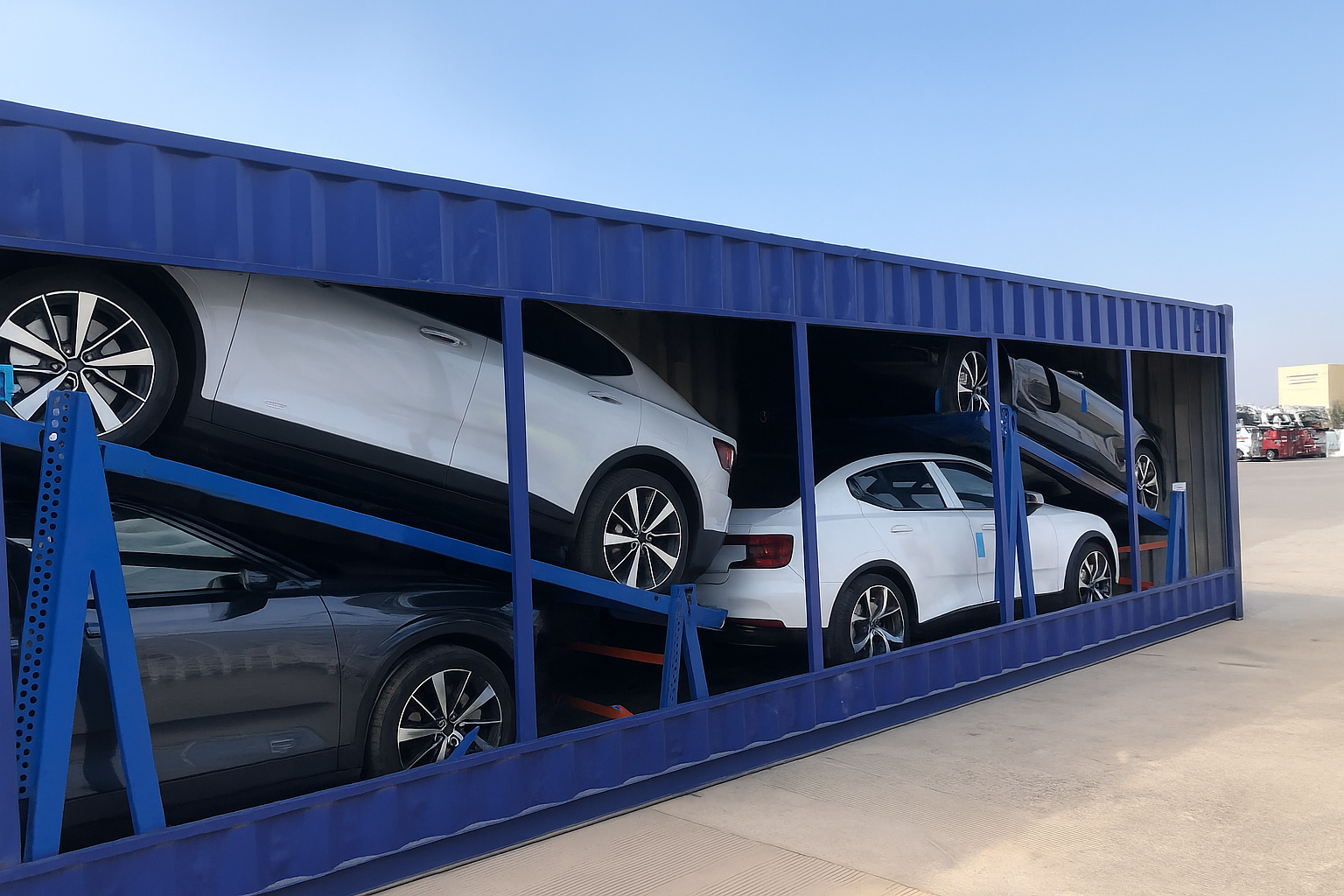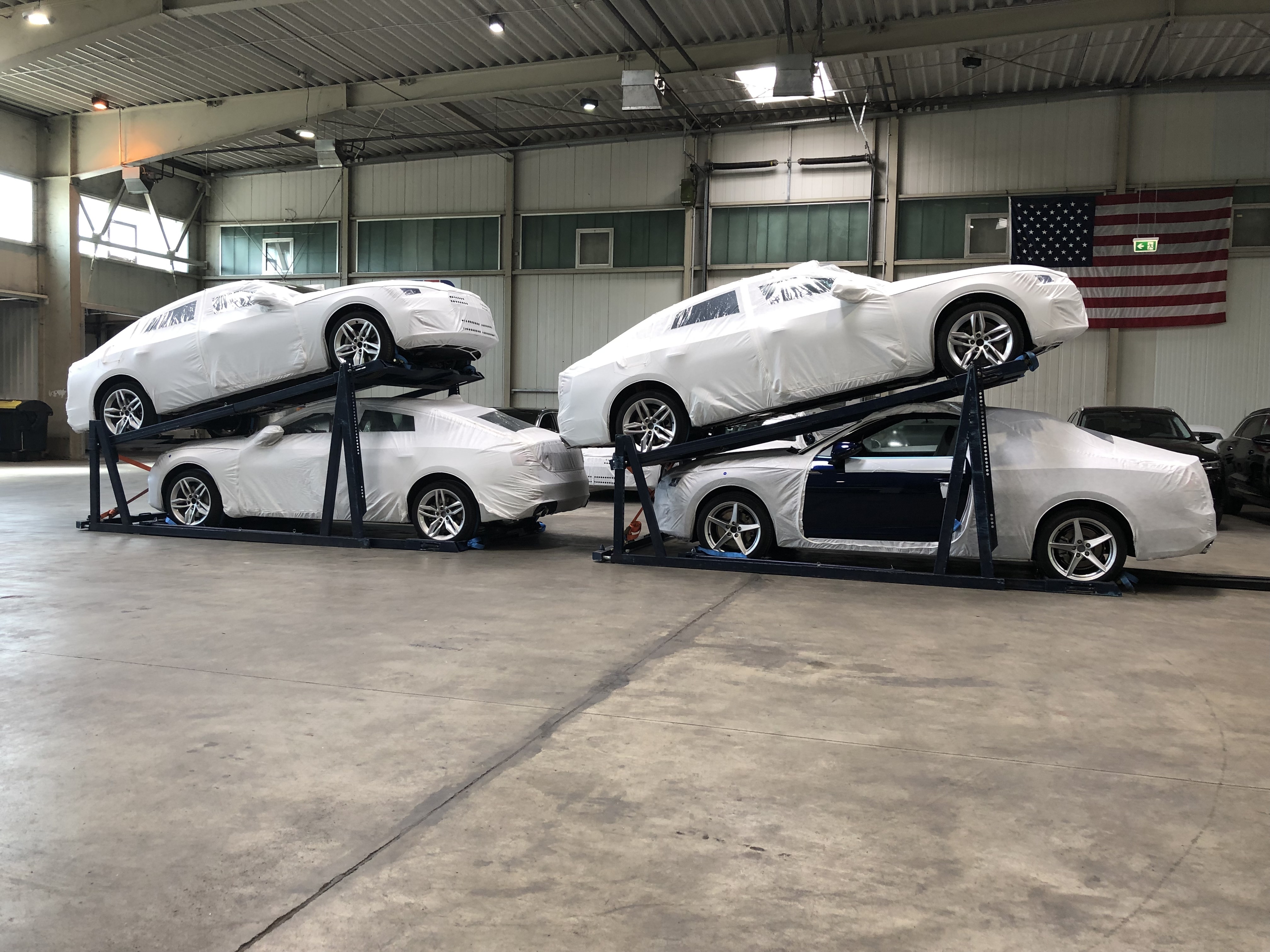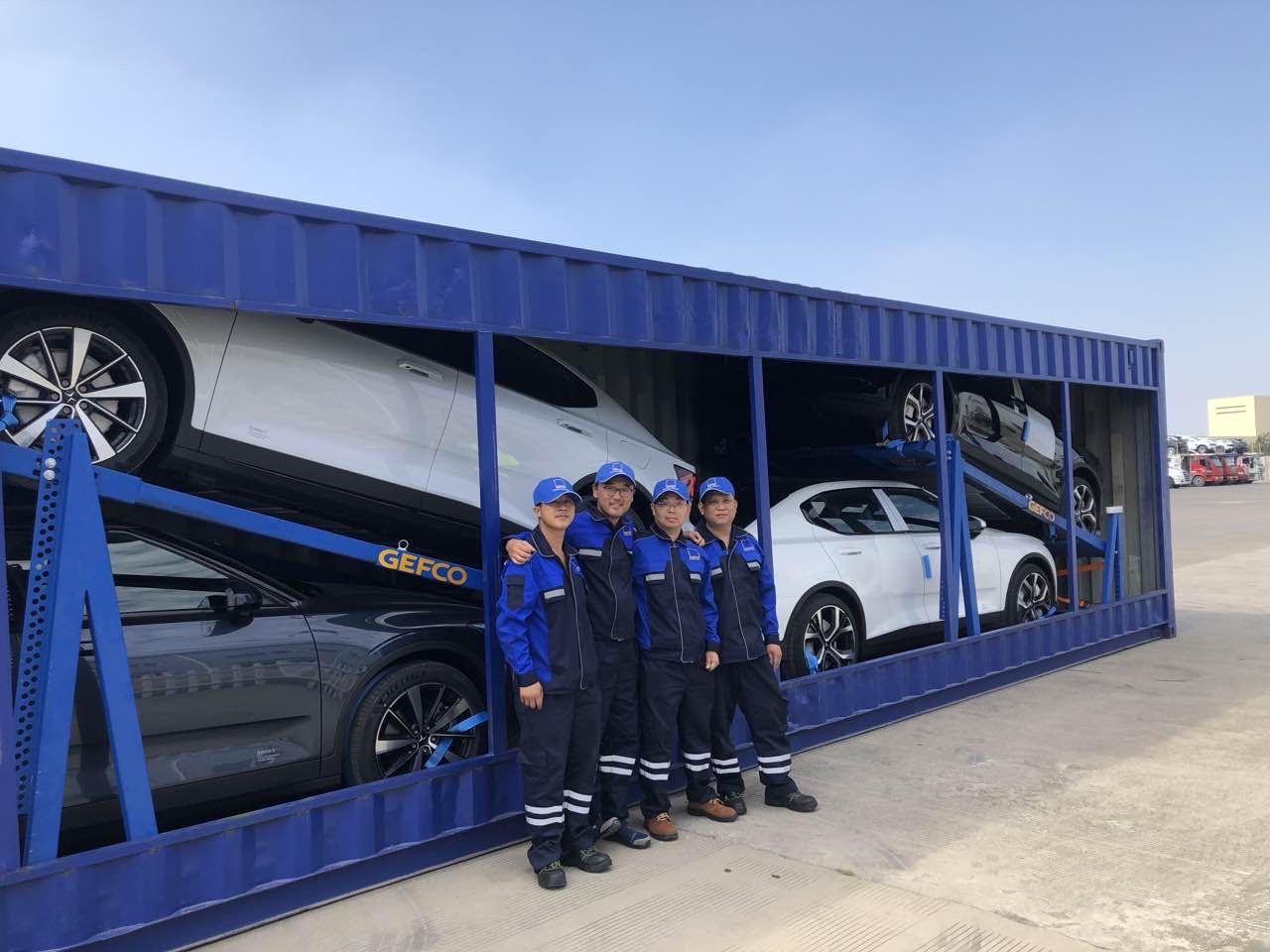
Space, not distance, is often the real driver of cost in global automotive logistics. A standard ISO 40ft shipping container has a fixed volume, a fixed footprint, and a fixed price to move regardless of whether it carries one car or six. For logistics providers involved in containerised car transport, therefore, improving space utilisation is one of the best ways to reduce cost per vehicle and to strengthen commercial competitiveness. Better utilisation ultimately involves being able to ship more cars per container, but more than this, it’s also about doing so safely, repeatably, and in a way that integrates with your upstream and downstream handling requirements. In this article, we look at the key strategies shaping utilisation efficiency in modern containerised car transport flows.

Load density and vehicle count
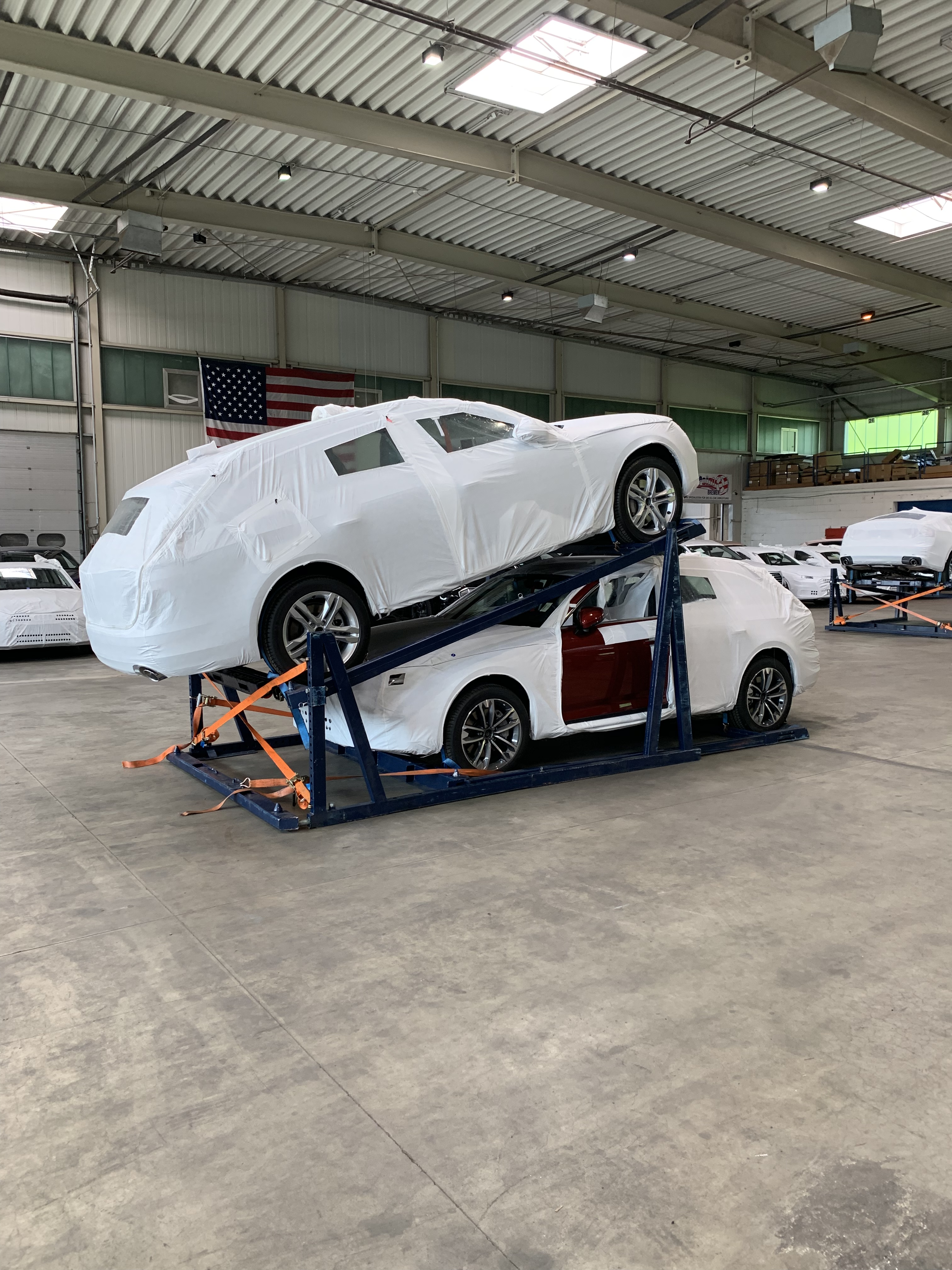
Two containers carrying two cars each may appear equivalent in terms of cost efficiency, but density tells a different story. The vertical space in containers often goes underused, and wheelbase variation across model lines creates gaps that could otherwise be converted into usable volume. This is where multipurpose automotive racking systems, like the R-RAK, add value to your movement streams. Adjustable racks, variable height positions, and controlled vertical tilt enable you to layer your vehicles in three dimensions rather than simply lining them up linearly. This increases the container’s load density without stressing contact surfaces or compromising transport stability.
Minor configuration tweaks can unlock big gains
The main cause of lost container space is inefficiency: excess clearance, uneven unit spacing, or fixed rack placements that don’t match the vehicle mix. Optimisation comes from incremental, measurable adjustments, such as:
- Maximising the rack and vehicle height so that less space is wasted
- Angling lifted vehicles to clear bonnets, roof rails, and spoilers
- Switching racking layouts to suit different sizes and configurations of vehicle, such as SUVs or EVs.
This modular, adjustable process is central to the design of systems such as the R-RAK, where adaptable components allow operators to quickly adapt to changing load patterns without specialist tooling or lengthy re-rigging.
Turnaround time: the unseen aspect of utilisation
There is a hidden metric behind volume, which is time inside the container. A high-density load loses value if it takes excessive work hours to assemble, or if vehicles must be unloaded sequentially with delays in between. True optimisation therefore, considers loading speed, the number of touch points per unit, ease of release at destination, and compatibility with factory configurations, as well as raw volume density. For example, a system that allows simultaneous access to vehicles on different levels of containers will reduce dwell time and free the containers faster, a multiplier effect when cycle counts scale globally.
Data-driven loading plans
Even simple dimensional modelling can often reveal utilisation improvements. For instance, digital load planning tools can simulate tilt angles, clearance margins, and weight distribution before a real container is touched. Using a multipurpose automotive racking system this allows an optimal layout to be configured for each build from the start, saving hours of trial-and-error time at port side. Sensors and telematics may also play a growing role, recording vibrations, load strain, and cycle frequency to help improve rack configuration decisions over time.
What next?
Our racking systems give you the ability to configure your loads more quickly, mix vehicle classes more freely, and extract every cubic metre of value from the same ISO footprint. To find out more, please contact Trans-Rak today by clicking here.