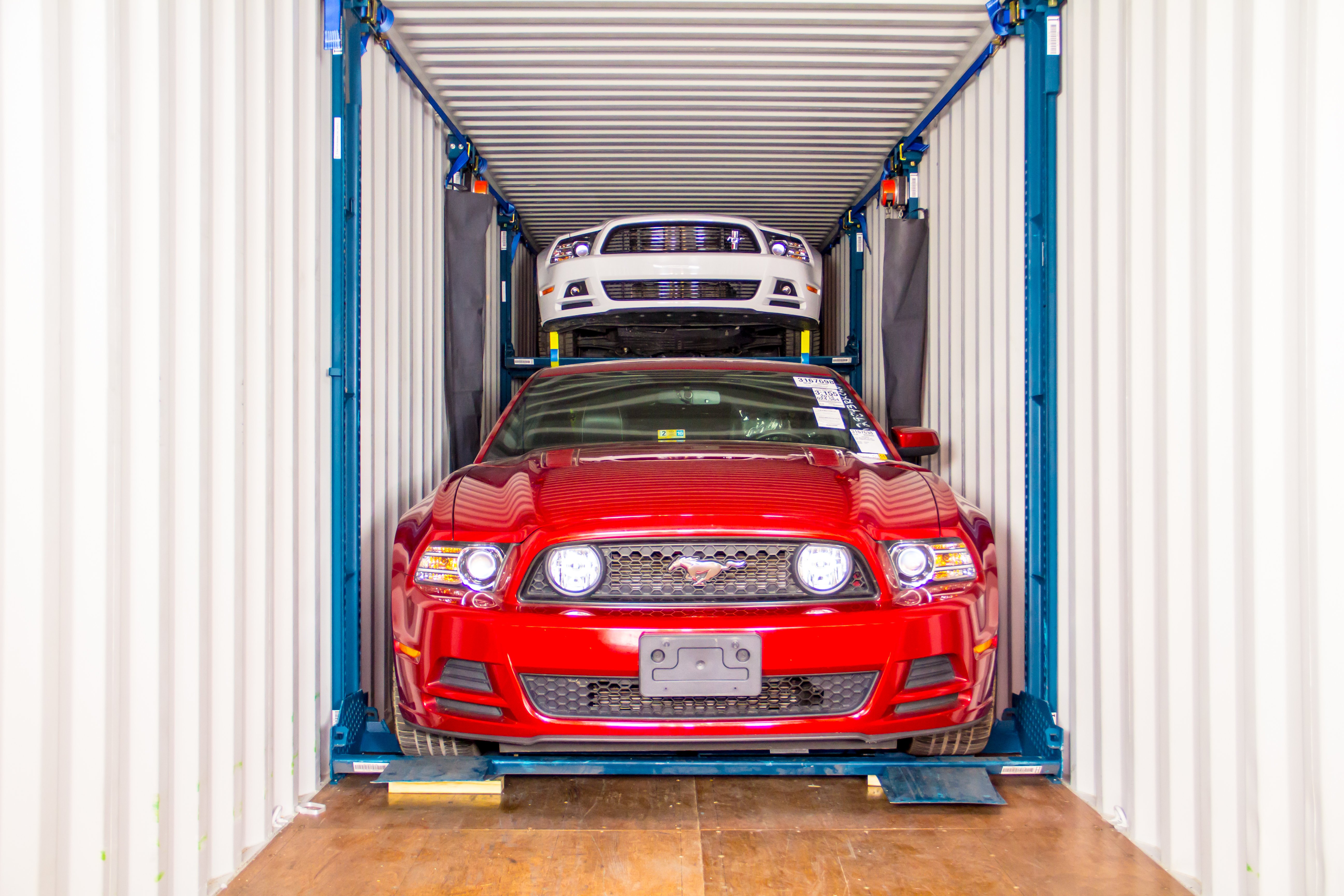
 Automotive logistics has evolved sharply in the first 25 years of this century. Electrification, diversified model portfolios, and fractured shipping networks have reshaped export strategies. However, one element of the supply chain remains surprisingly unchanged in many regions: single use vehicle racks and timber packaging.

For years, these disposable frames were considered a low-cost, practical solution for one-way containerised shipments. Today, however, the demands placed on global distribution networks are far more complex, raising the question of whether single use racks are still fit for purpose. In this article, we compare the performance, cost dynamics, and operational sustainability of disposable racks against modern steel car racking and multi-vehicle racking solutions.
Why disposable racks behave unpredictably
Single use packaging – including containerised car racking – is inherently variable. Timber moisture content, joint integrity, construction quality, and dimensional precision can differ significantly between batches, influencing how well a load behaves under dynamic conditions at sea. Under high freight vibrations, joints may loosen, increasing the risk of movement and damage around the tyres, sills, or hard points. Steel automotive container racking systems avoid this issue, providing repeatable mechanical performance over multiple cycles. Welded structures are better able to maintain their stiffness than wooden racks, so that their locking geometry remains consistent, and load tolerances do not drift as the material degrades.
Upfront cost vs long-term value
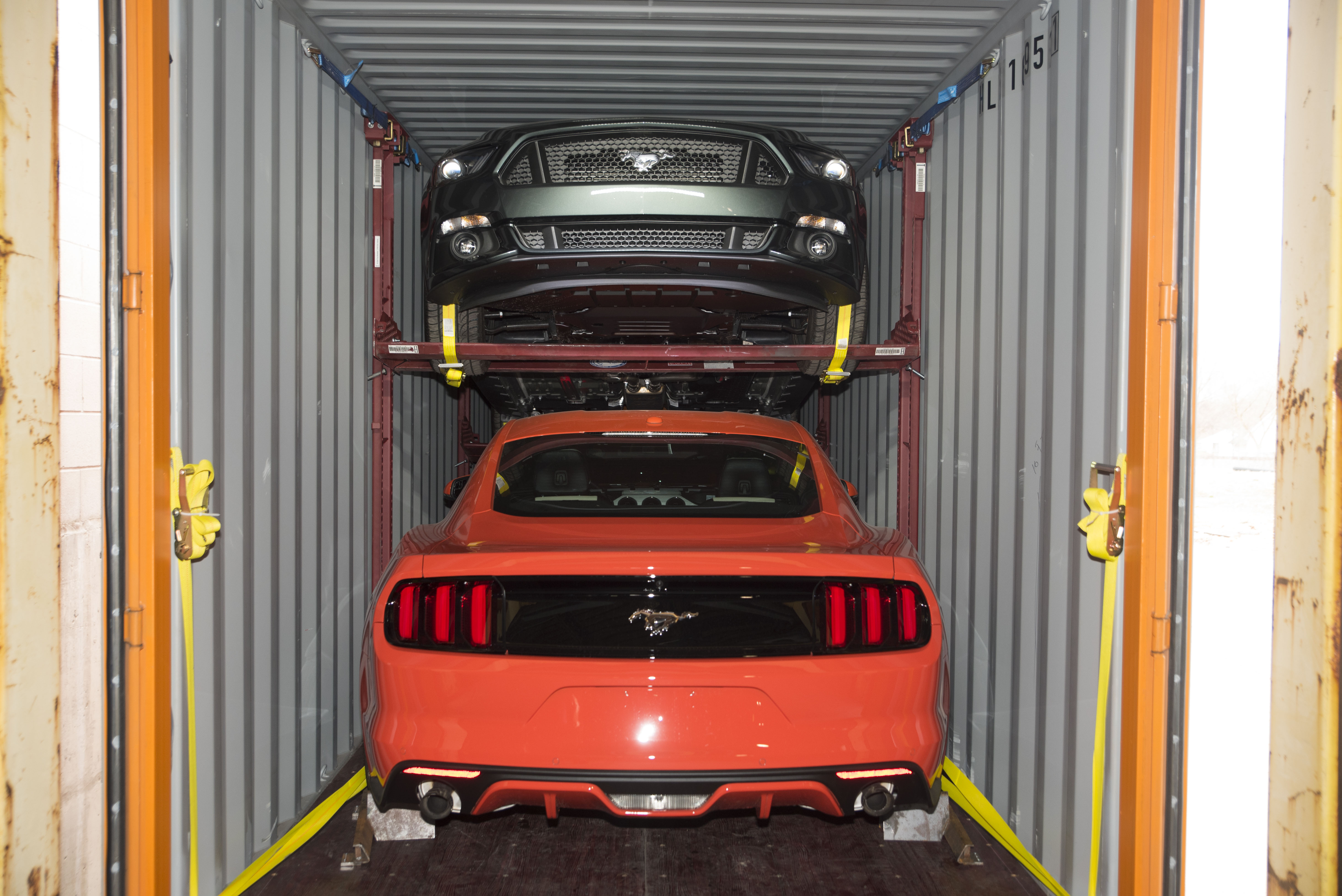
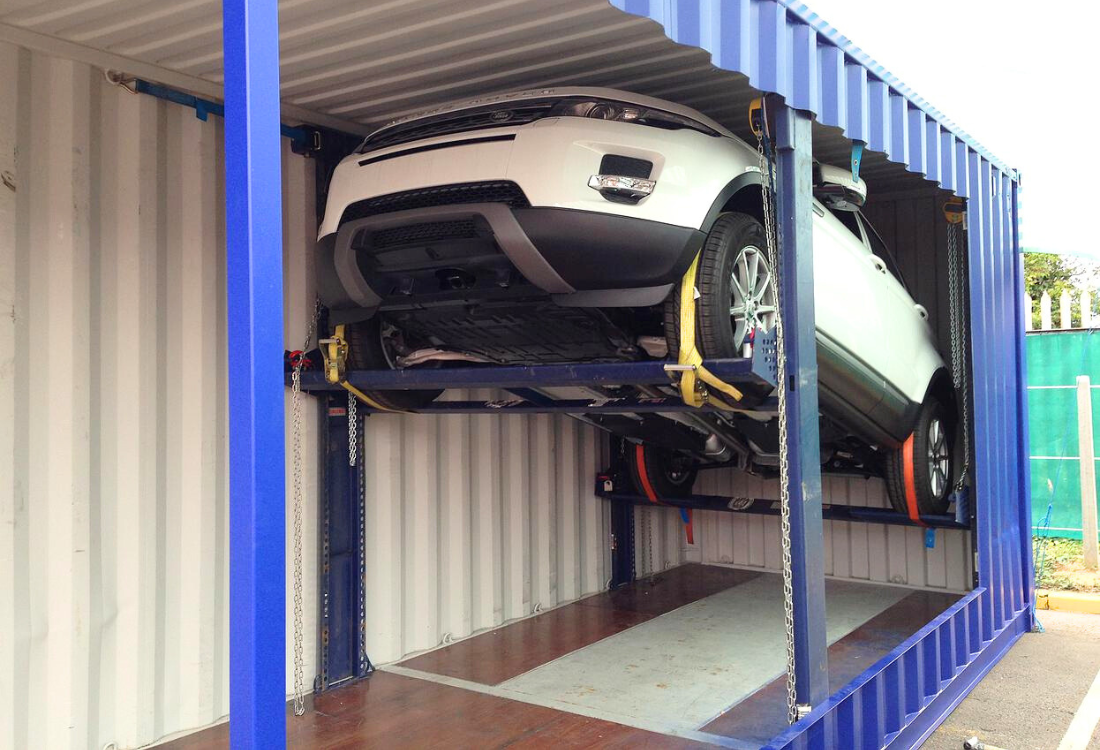
At face value, disposable wooden racking systems are often cheaper than steel car racking. The unit price is low, and the absence of return logistics can simplify your planning process. However, global freight cost volatility over the past few years has shifted that calculation. When container allocation tightens or prices increase, utilisation becomes more essential – and single use racks rarely maximise density. Reusable steel frames, especially those designed as multi-vehicle racking solutions, allow several vehicles to be shipped within one 40-foot container. As load factors rise, your cost per vehicle falls. ROI also increases over repeated use cycles, reducing your CapEx requirements and often delivering a lower total cost of ownership when measured against sustained monthly export volumes.
Sustainability: the elephant in the room
It’s also impossible to ignore the issue of sustainability surrounding single use wooden racks. Single use timber racks are a potent source of waste, requiring energy to manufacture and dispose of. In many regions, they must also meet strict phytosanitary standards, adding to your administrative overheads. Scrap disposal in receiving markets can also increase emissions and landfill costs, as well as having a potentially negative effect on local economies. Steel reusable systems eliminate most of these single use waste streams and give you access to measurable life-cycle impact data, helping you demonstrate maritime environmental compliance and align with OEM best practice frameworks.
So, where do single use racks still make sense?
Single-use car racks solved yesterday’s problem: low-cost movement of vehicles when supply chains were linear and predictable, and they may still be viable for some short haul routes, low value vehicle classes, or irregular one-way shipments where return logistics is not feasible.
However, in most cases, a purpose-designed automotive container racking system will outperform a single use rack. For strategic export programmes, EV distribution, SKD/CKD/BIW volume flows and new-market entry, the operational advantages of reusable steel racking are increasingly difficult to ignore.
The systems now widely used in modern containerised logistics, including our own reusable multi-vehicle racking frameworks, illustrate how the industry is transitioning towards durability, repeatability and container efficiency as standard expectations rather than premium features.
Next steps
To find out more about our racking solutions, please contact one of our experienced team today by clicking here, or download our Containerised Car Transport Guide for more information.