When transporting vehicles internationally in shipping containers, a racking system needs to do more than simply hold vehicles in place. It must be strong, reliable and safe, while accommodating different vehicle shapes, sizes and weights.
For vehicle manufacturers, exporters and logistics providers, certification can provide additional confidence that equipment has been appropriately designed, assessed and manufactured for its intended application.
So, what makes a vehicle racking system certification-ready?
1. Engineering and design
A reliable vehicle racking system starts with sound engineering.
The design needs to account for factors including:
- Vehicle weights and dimensions
- Different wheelbases and vehicle configurations
- Container dimensions and clearances
- Load distribution and vehicle positioning
- Handling and transportation forces
- Safe loading and unloading procedures
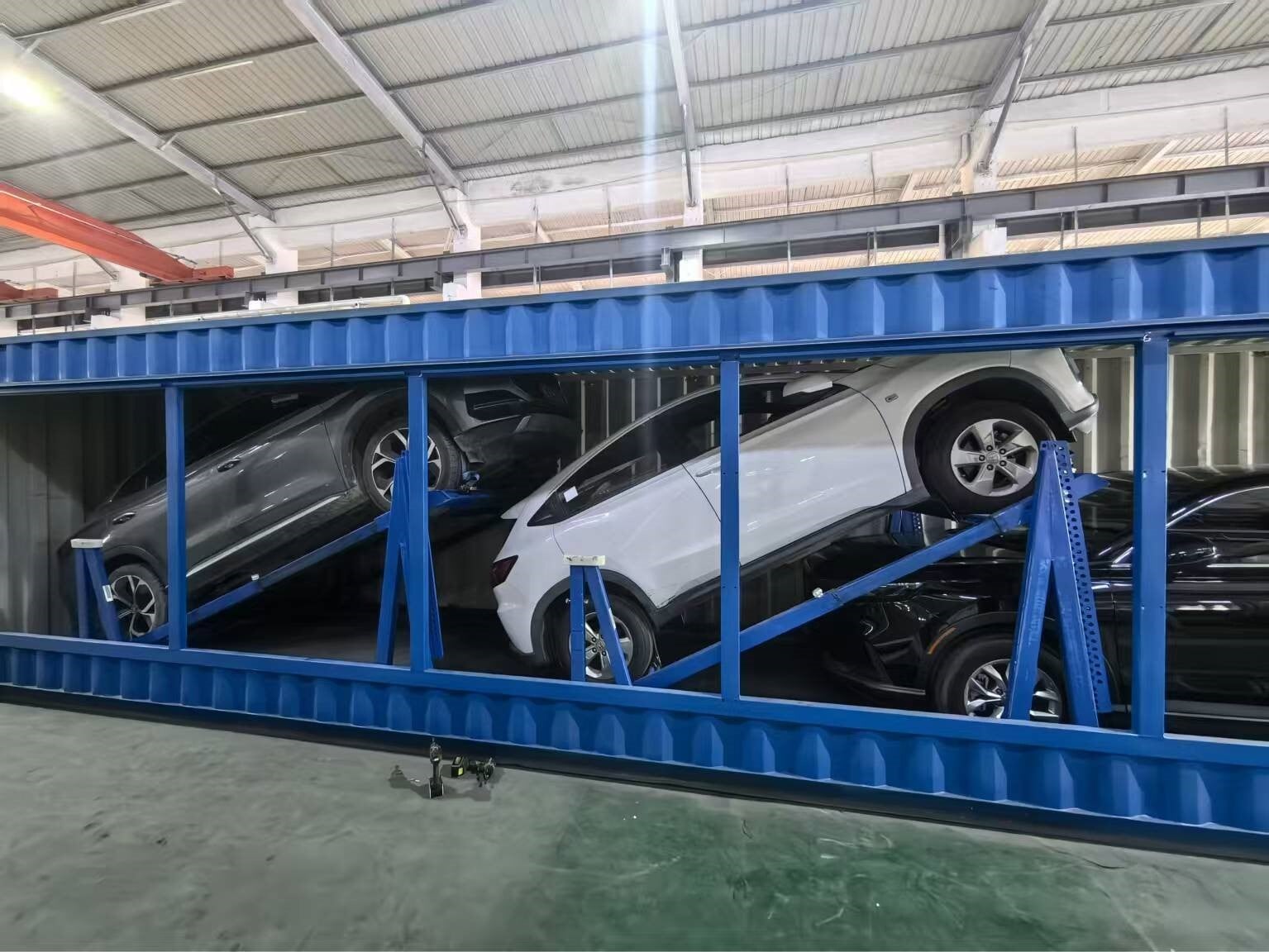
Adjustability is particularly important when transporting different vehicle types. A versatile system needs to accommodate everything from smaller passenger cars and sports cars to SUVs and larger vehicles, while maintaining stability and appropriate support.
2. Structural strength
Vehicle racking systems must withstand the loads and forces encountered during loading, handling and transportation.
Engineers need to consider the strength of the overall structure, connections, securing points and supporting components, alongside appropriate safety factors.
Engineering calculations and computer-aided design (CAD) help assess structural performance and establish whether the system meets the relevant design requirements.
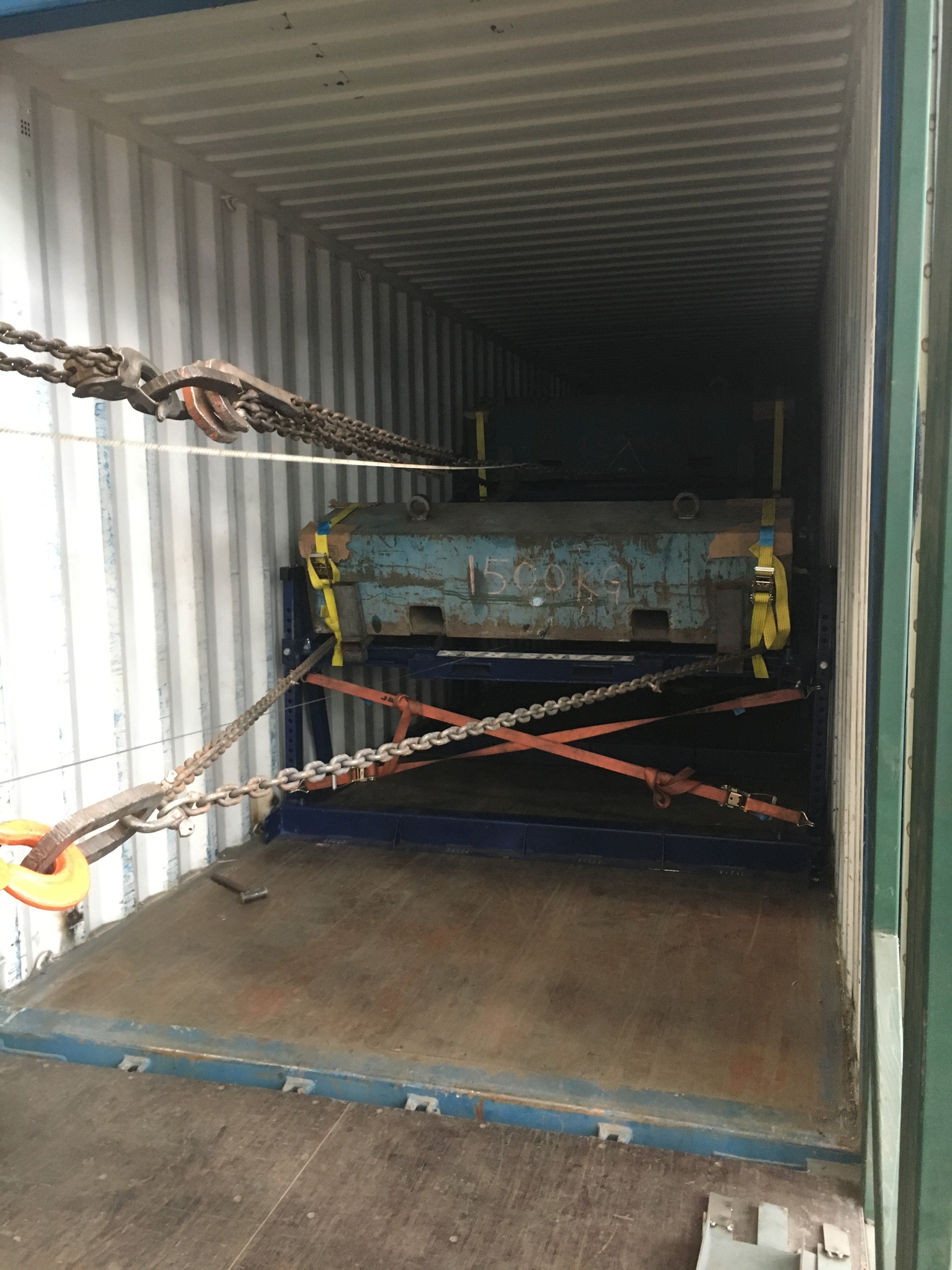
3. Testing in real-world conditions
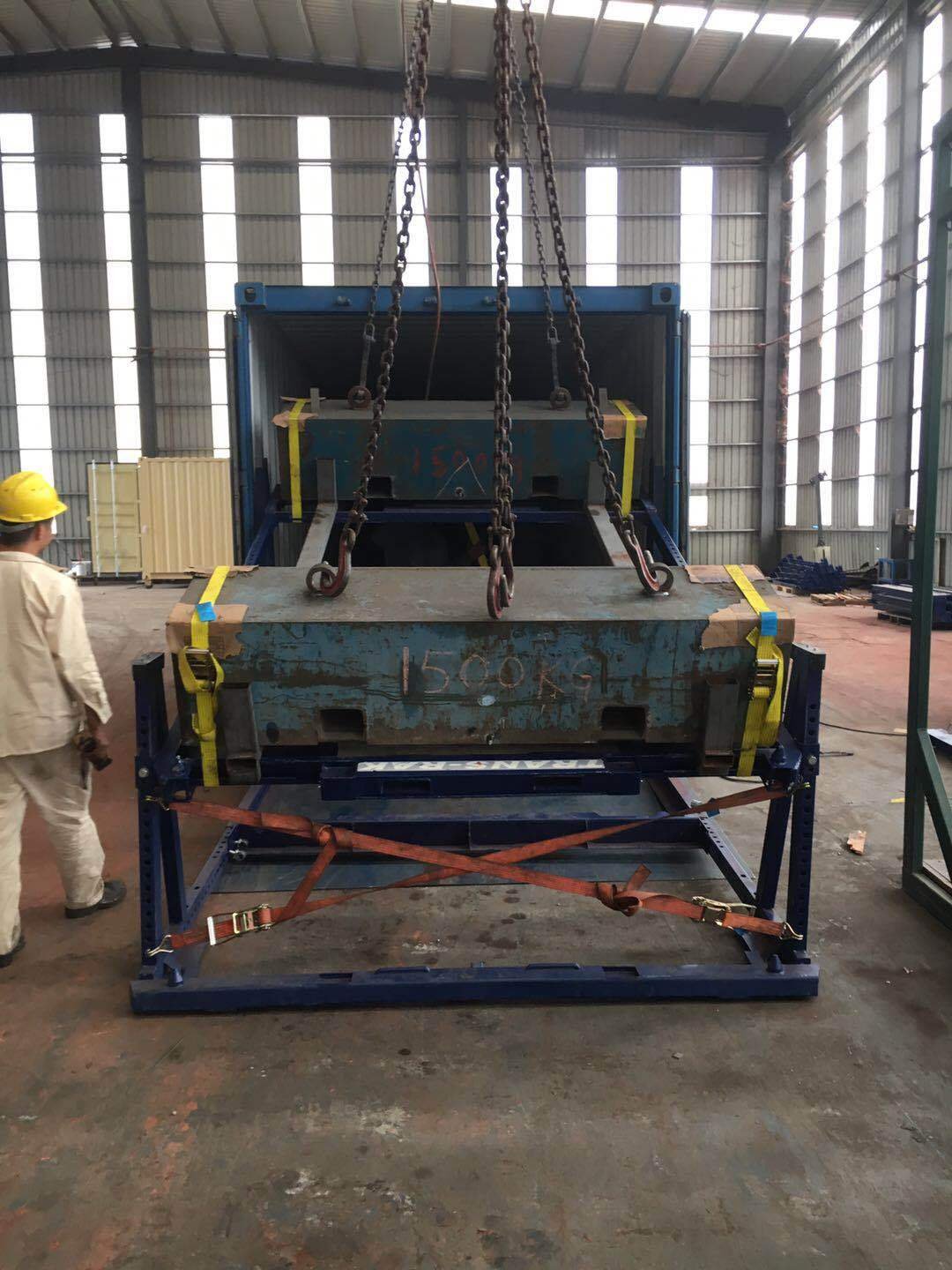
Computer modelling is an important part of the design process, but practical testing also plays a valuable role.
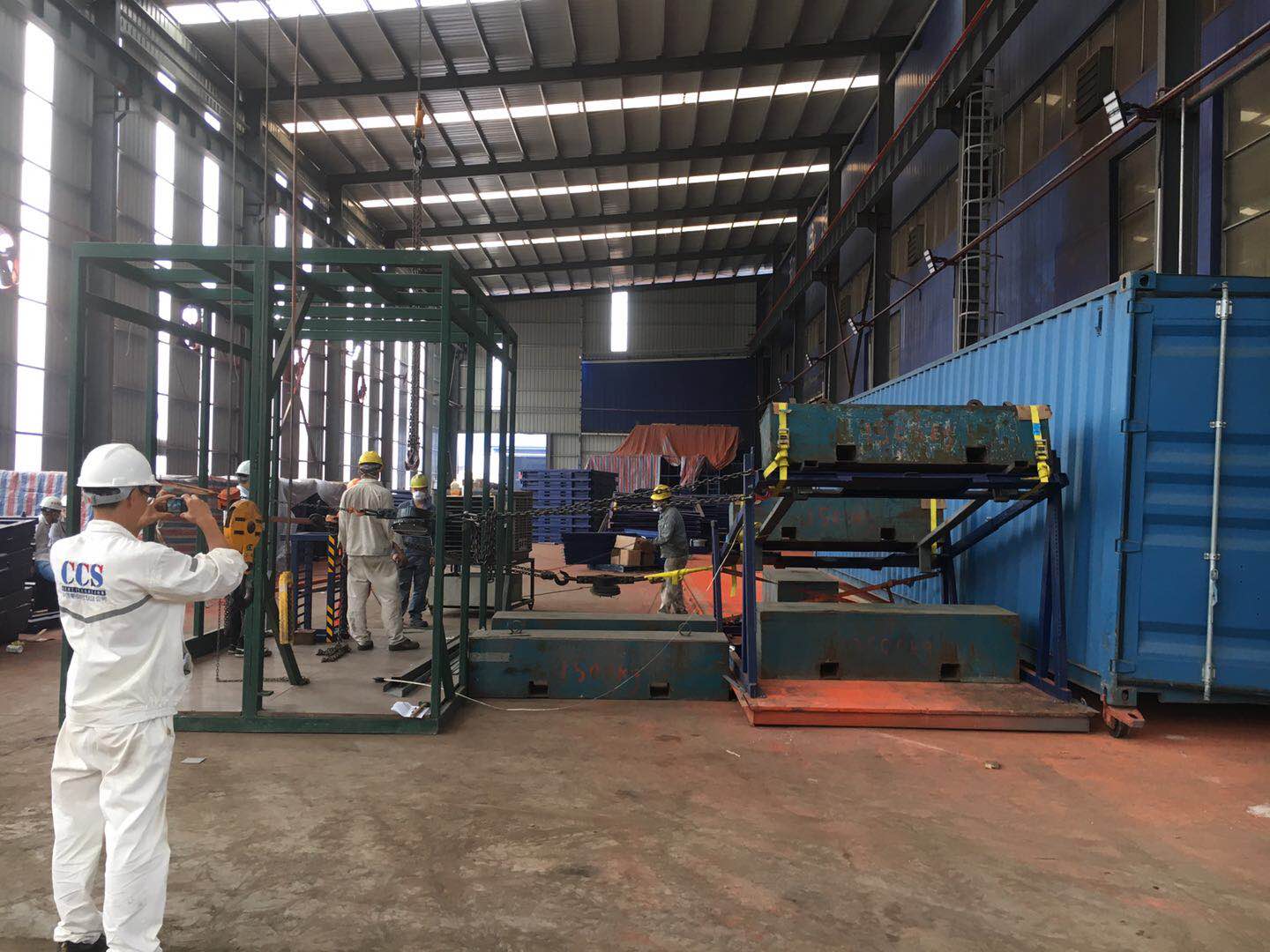
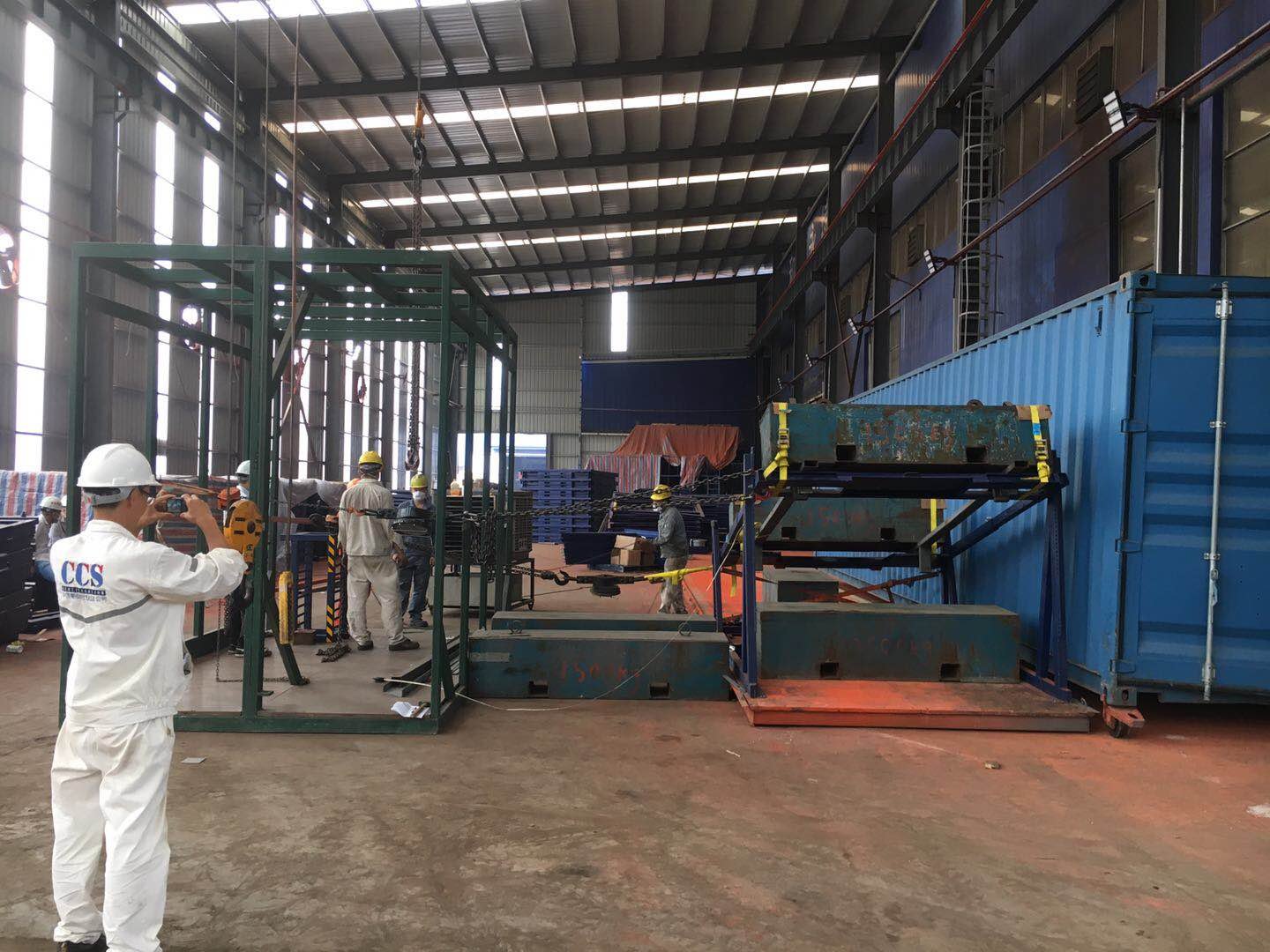
Factory trials can help assess how a racking system performs with different vehicle configurations and during actual loading operations.
Testing may examine:
- Vehicle positioning and stability
- Loading and unloading procedures
- Racking adjustment and operation
- Operator access and container clearances
- Vehicle securing arrangements
- Structural performance
This helps identify and address practical issues before the equipment enters regular service.
4. Independent certification and approval
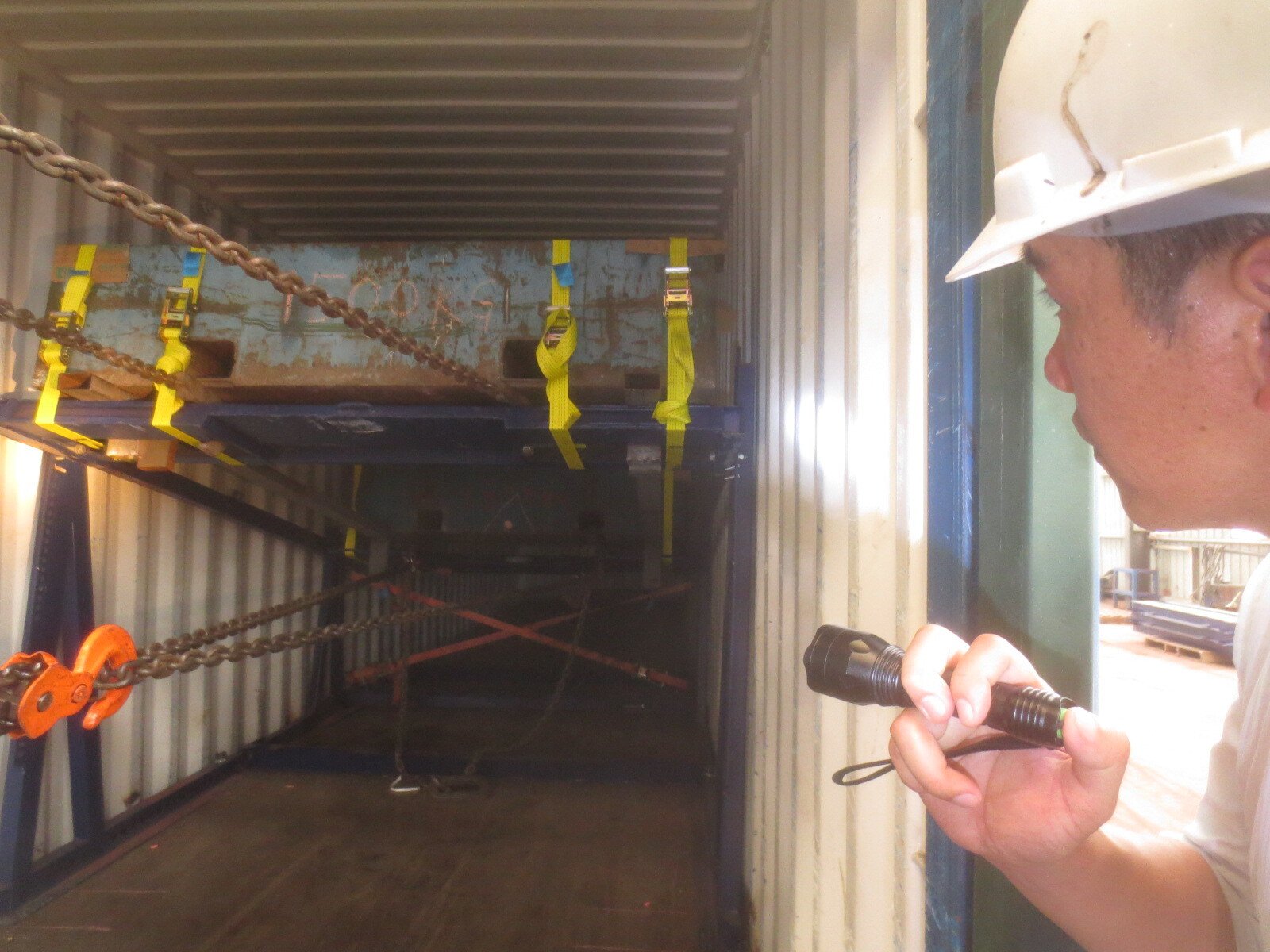
Depending on the equipment, its intended application and the requirements of the customer or relevant authorities, independent certification or approval may be required.
Trans-Rak has experience working with recognised organisations including China Classification Society (CCS), Bureau Veritas, DNV, AAR and RZD, depending on the specific racking system and application.
Independent assessment can provide customers with additional assurance that the equipment has been evaluated against the requirements of the relevant approval scheme.
5. Manufacturing and quality control
Good engineering must be supported by consistent manufacturing.
Quality checks throughout production help ensure that the finished equipment matches the required design and specification.
These checks may include the inspection of materials, dimensions, welds, components, assembly and the final configuration.
This consistency is particularly important for reusable vehicle racking systems designed to support repeated shipments over many years.
6. Documentation and traceability
Certification involves more than the physical equipment. Supporting documentation can be an important part of demonstrating that the relevant requirements have been met.
Depending on the approval process, this may include engineering drawings, specifications, calculations, test results, inspection records and operating instructions.
Clear documentation helps customers understand the equipment's intended use and supports safe, consistent operation throughout its working life.
Building confidence through engineering and testing
A certification-ready vehicle racking system brings several important elements together:
Engineering → Testing → Quality Control → Certification
At Trans-Rak, we design and manufacture reusable vehicle racking systems for international vehicle transport, accommodating a wide range of vehicle shapes, sizes and configurations.
By combining practical design with manufacturing quality, testing and the relevant certification processes, we help customers find efficient, reliable solutions for their vehicle export operations.
Looking for a vehicle racking solution for your export operation? Contact the Trans-Rak team to discuss your vehicle types, container requirements and loading needs, and discover how our reusable racking systems could support your shipments.