For many years, Japan was one of the world's leading vehicle-exporting nations, with a highly developed automotive industry and a well-established used-vehicle export market.
However, the global automotive export landscape has changed significantly.
In 2023, China overtook Japan to become the world's largest vehicle exporter, with China exporting approximately 4.91 million vehicles compared with Japan's 4.42 million. By 2025, China's vehicle exports had risen to around 7.1 million, while Japan exported approximately 4.17 million.
China's rapid growth provides valuable lessons for businesses involved in international vehicle logistics.
Innovation creates competitive advantage
China's rise as a vehicle-exporting powerhouse has been driven by more than manufacturing capacity.
Investment in:
- Manufacturing
- Supply chain development
- Port infrastructure
- Digital logistics
- Export networks
- Vehicle transport capacity
has helped Chinese manufacturers reach international markets at unprecedented scale.
The lesson for vehicle exporters is clear: competing internationally isn't only about the product itself. Efficient logistics can play an important role in supporting global growth.
Ports and infrastructure matter
As vehicle export volumes increase, the journey from manufacturer to customer becomes increasingly important.
Ports, inland logistics hubs, vehicle storage facilities and transport networks all need to work together efficiently.
China's rapid growth has also demonstrated the challenges that can arise when export volumes increase faster than logistics capacity. Growing vehicle flows have placed additional pressure on ports and transport networks, including congestion at some European automotive terminals.
For exporters, this highlights the importance of considering the entire supply chain - not simply the point at which a vehicle leaves the factory.
Container loading technology is becoming increasingly important
The growth in vehicle exports is also creating greater demand for different methods of vehicle transportation.
While RoRo shipping remains a major part of the international vehicle transport market, containerised vehicle exports can provide an important alternative where RoRo capacity, routes or schedules do not meet demand.
In 2023, VesselsValue estimated that around 500,000 light vehicles exported from China were transported in containers, reflecting the pressure on available deep-sea RoRo capacity at the time.
This makes efficient container loading increasingly important.
The ability to safely maximise available container space can help exporters to:
- Transport more vehicles per container
- Reduce shipping costs per vehicle
- Improve container utilisation
- Increase flexibility where RoRo capacity is limited
- Potentially reduce transport emissions per vehicle
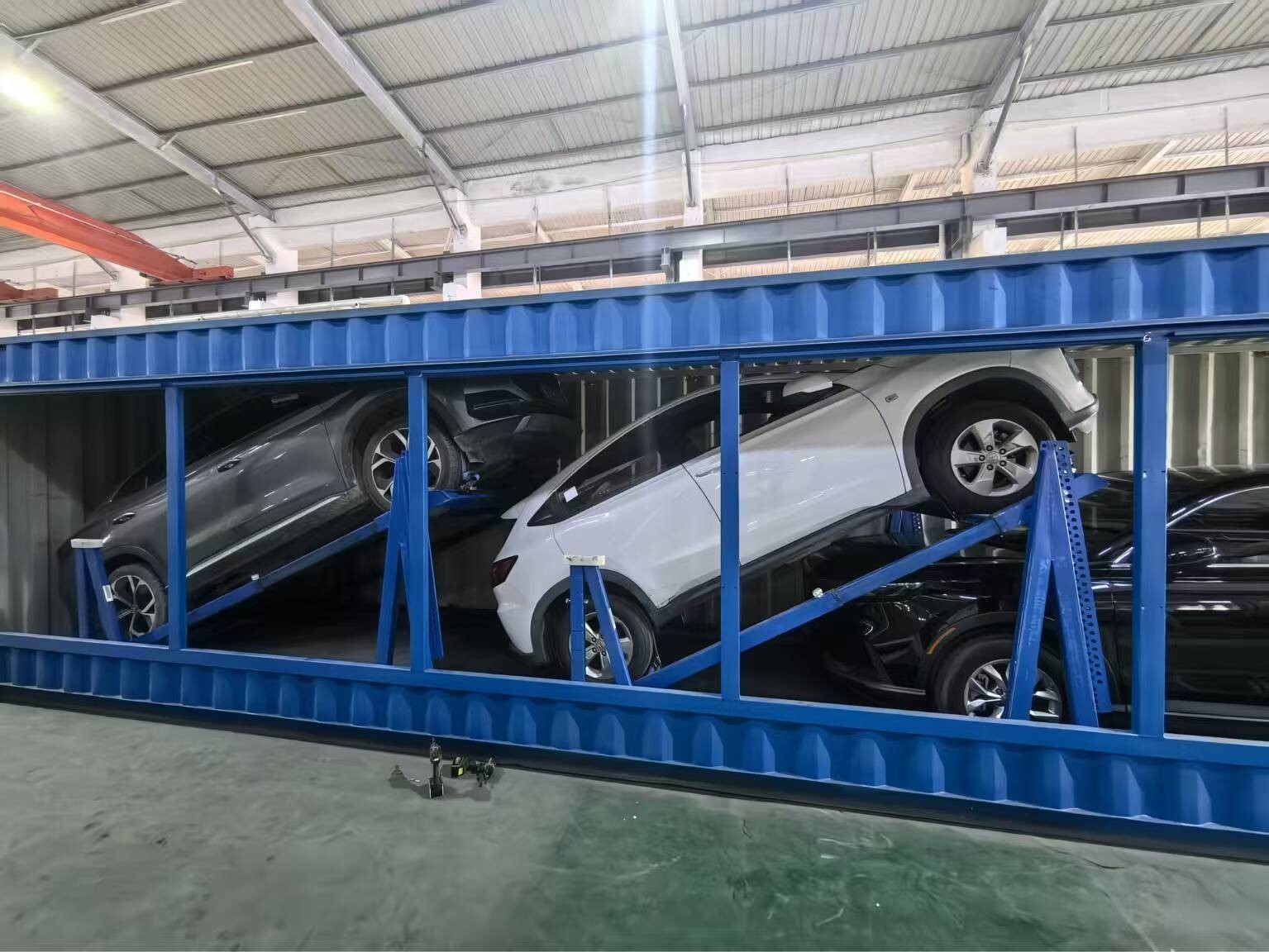
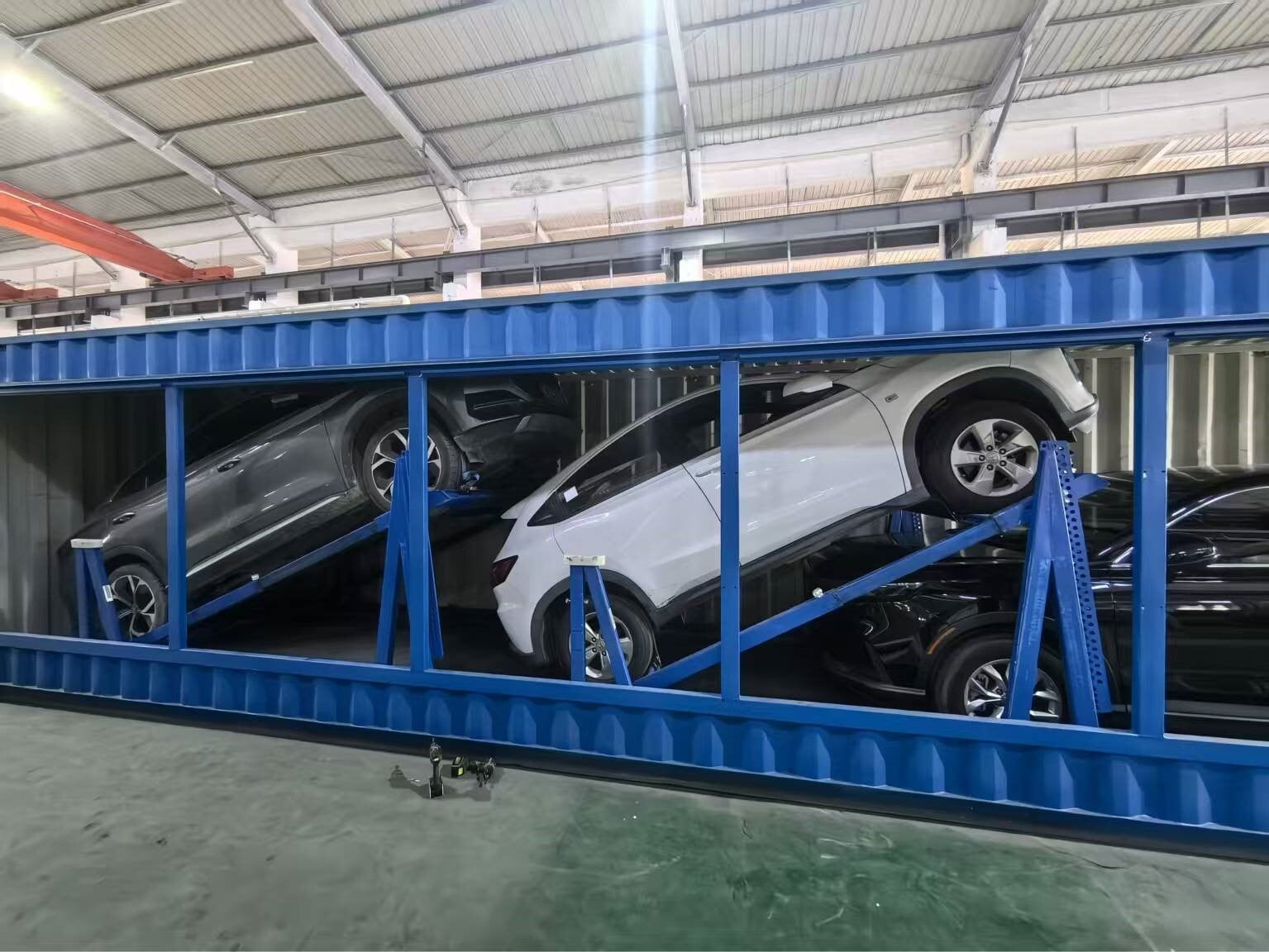
Engineered vehicle loading systems can help exporters make more effective use of available container capacity while maintaining appropriate vehicle protection and loading standards.
What can future vehicle exporters learn?
China's rapid expansion into international vehicle markets demonstrates the importance of looking beyond vehicle production alone.
Future exporters will need to consider:
 Strong international market knowledge Efficient logistics networks Investment in infrastructure Smart transport technology Flexible vehicle shipping solutions Efficient use of container capacity
China's rise from a major vehicle manufacturer to the world's largest vehicle exporter shows how quickly the global automotive landscape can change.
For vehicle exporters, the lesson is not simply to produce more vehicles.
It is to build the logistics capability needed to move them efficiently around the world.
As international vehicle trade continues to evolve, smarter, safer and more efficient transport solutions will become increasingly important.
How Trans-Rak can help
At Trans-Rak, we design and manufacture reusable vehicle racking systems that help exporters make better use of container capacity. From standard vehicles to SUVs, pickups and SKD applications, our solutions are engineered to improve loading efficiency, maximise available space and support safer, more cost-effective vehicle transport.
Looking to improve your vehicle export logistics? Contact Trans-Rak to discuss how our vehicle racking solutions could work for your operation.
.jpg)