The global vehicle export industry is entering a new era. Markets are changing, customer expectations are increasing and transport costs continue to rise. At the same time, the automotive logistics sector is under growing pressure to improve efficiency, sustainability and resilience.
A recent focus within Japan's automotive logistics industry highlights an important message: traditional processes must evolve. At Trans-Rak, we couldn't agree more. The future of vehicle exports depends on smarter, more efficient logistics solutions that help manufacturers and logistics providers move more vehicles safely and sustainably.
Then, instead of having lots of short sections, expand each slightly:
More Vehicles Per Container
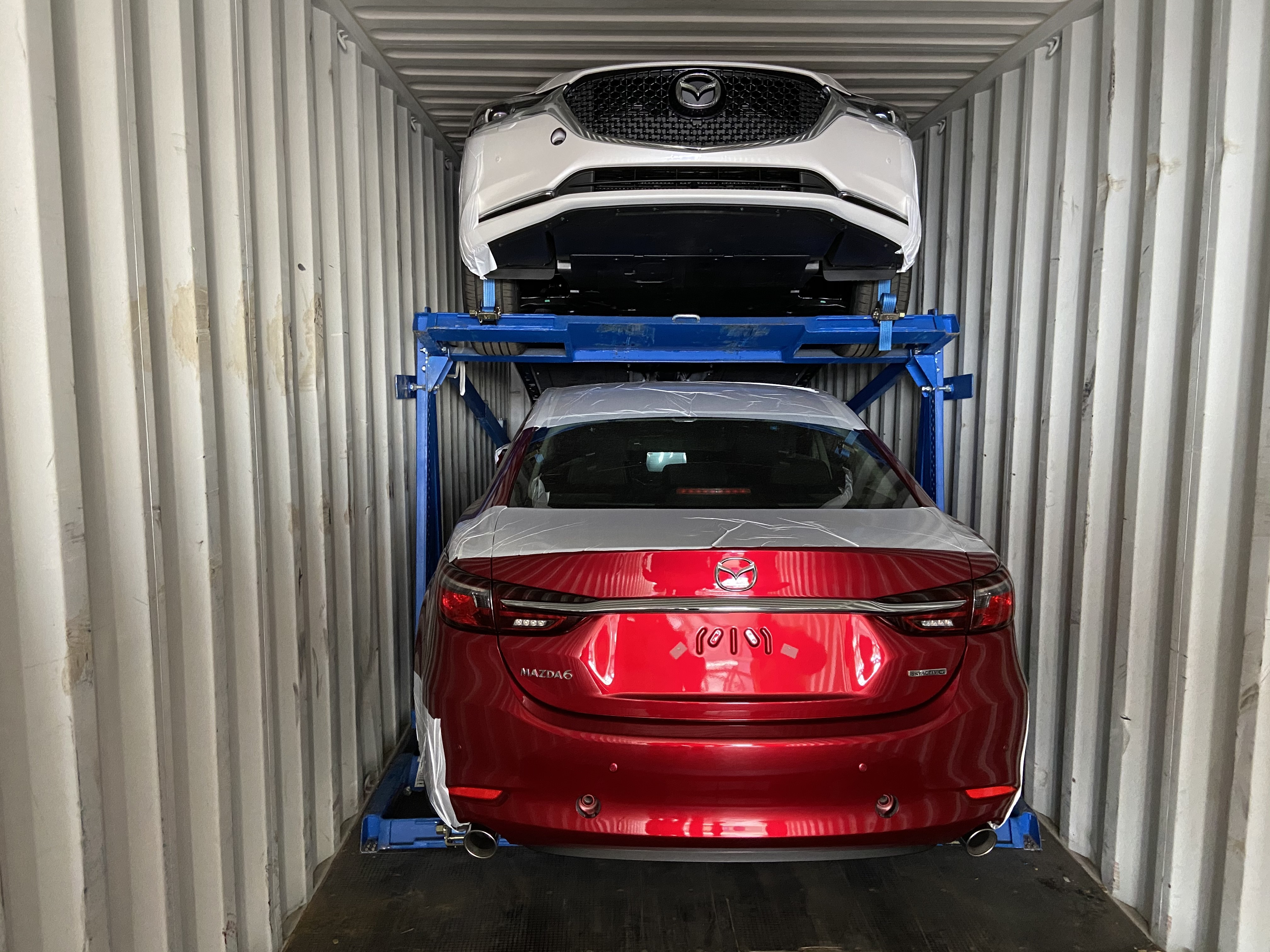
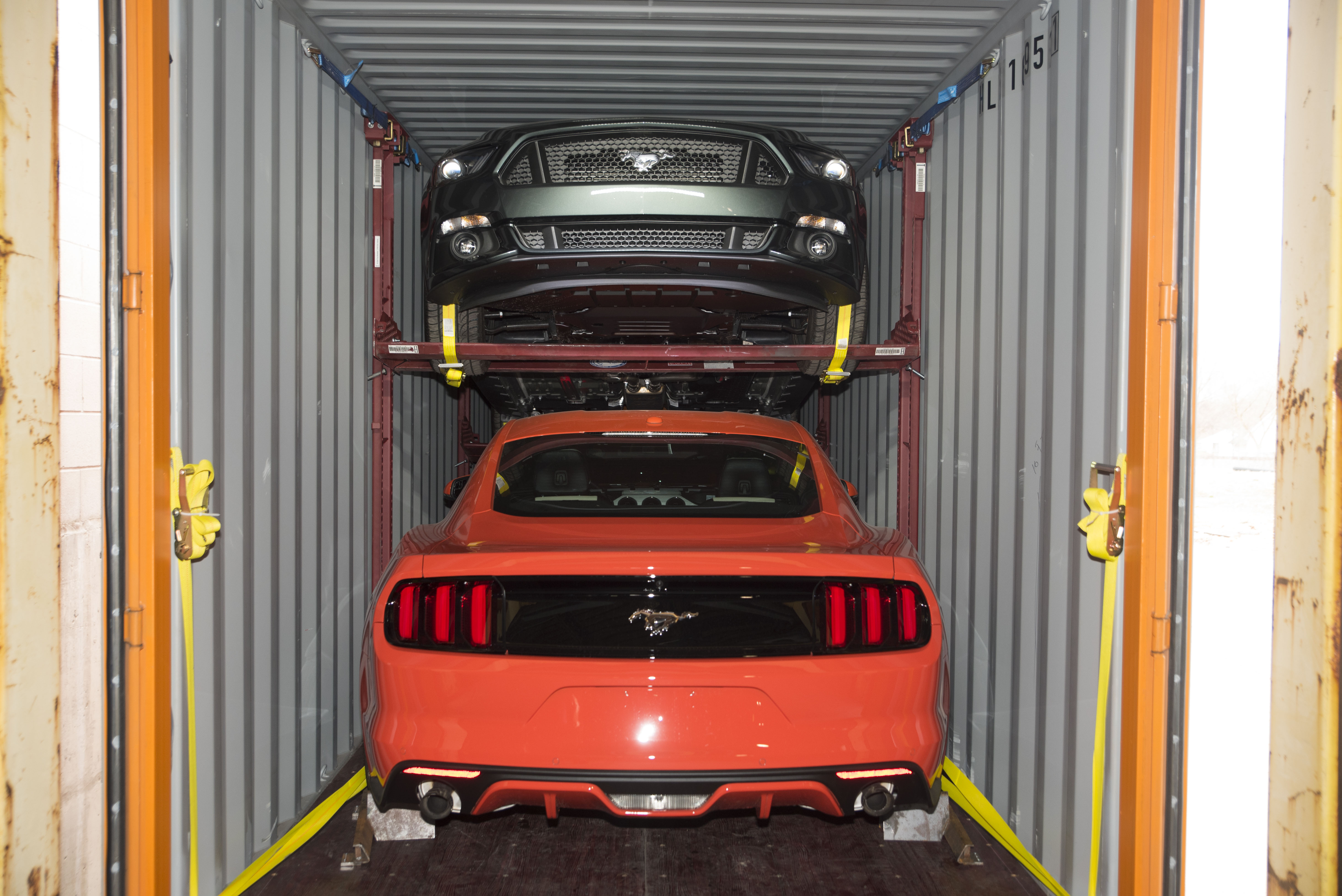
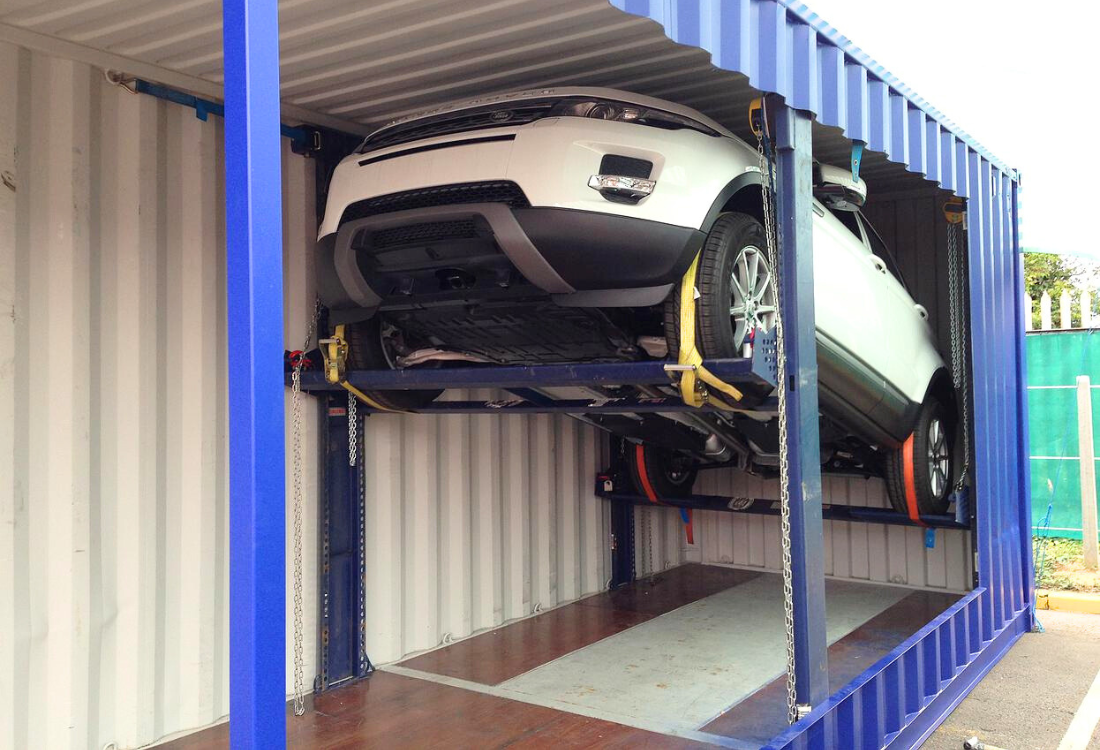
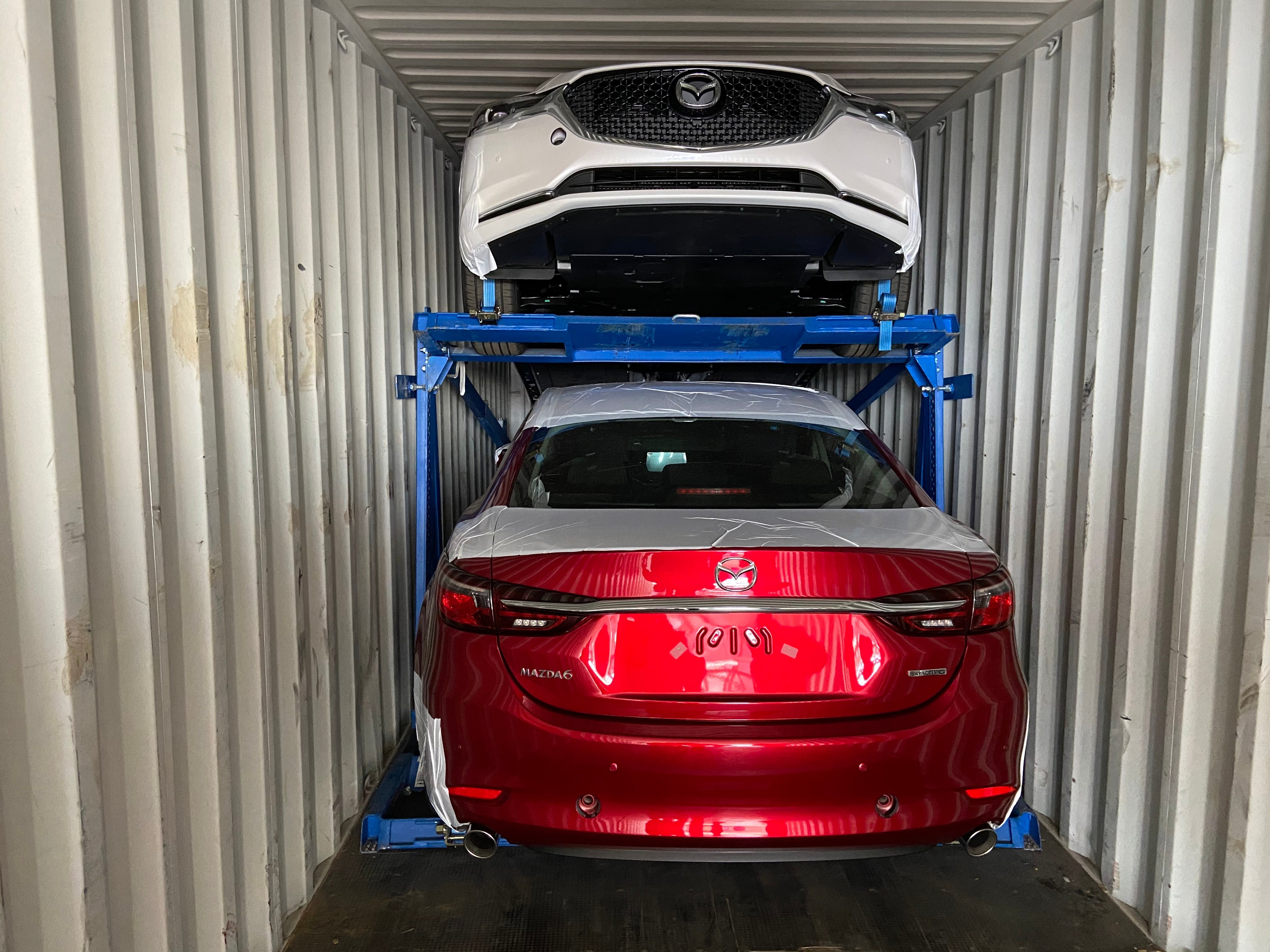
One of the biggest opportunities lies in improving container utilisation. By transporting more vehicles within existing shipping infrastructure, exporters can reduce shipping costs, make better use of container capacity and lower carbon emissions. It's a practical way to improve both operational efficiency and environmental performance without increasing transport resources.
Faster Loading Processes
Time is one of the biggest costs in vehicle logistics. Engineered vehicle racking systems provide faster, safer and more consistent loading than traditional manual methods, helping reduce loading times while improving operational reliability.
Reducing Labour Dependency
Labour shortages continue to challenge logistics operations worldwide. By introducing engineered loading solutions, businesses can reduce reliance on manual processes, improve workplace safety and create more predictable loading operations.
Reusable Equipment
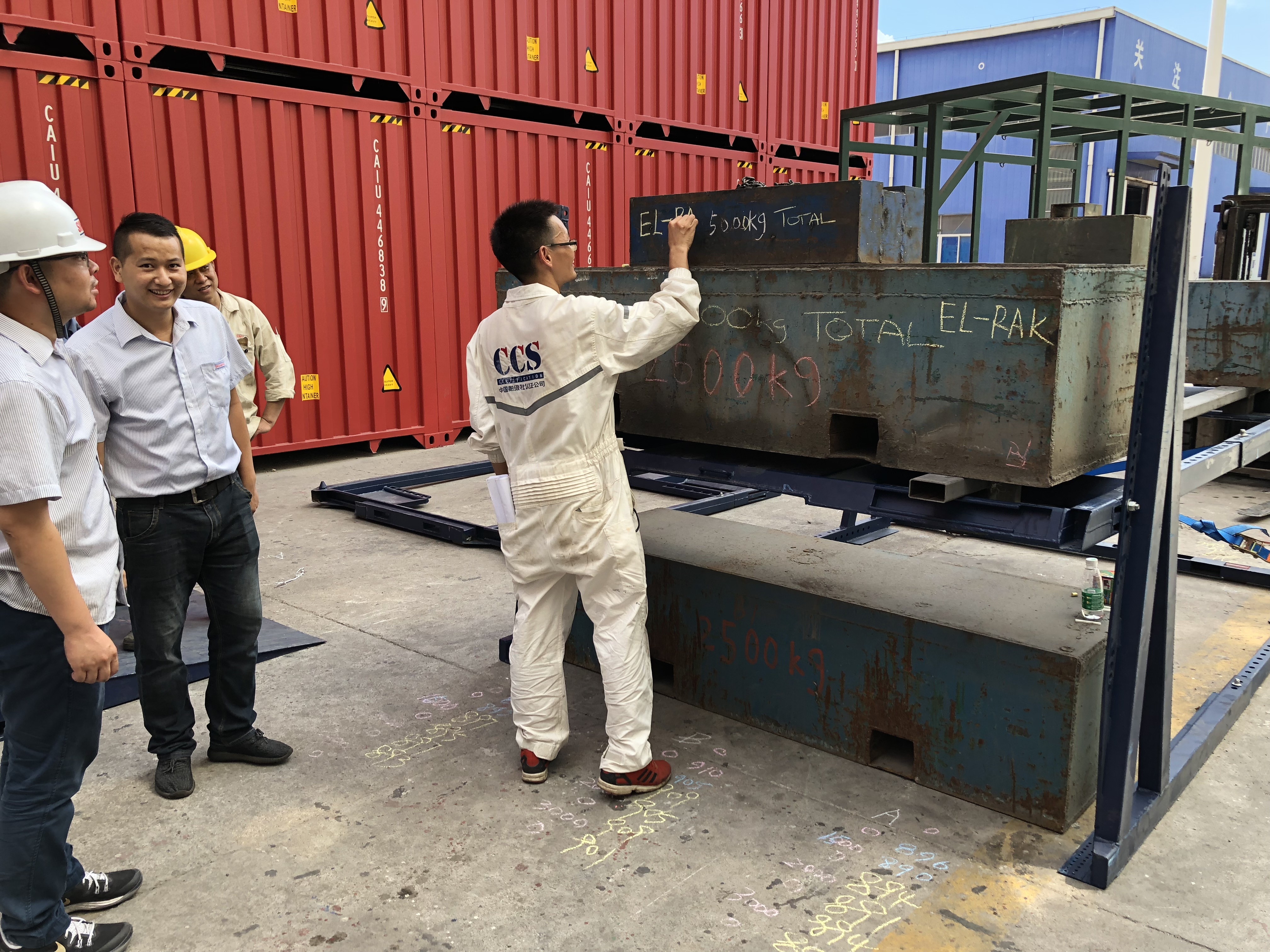
Sustainability is about more than reducing emissions. Long-life, reusable vehicle racking systems, like Trans-Rak's R-RAK, help minimise waste while delivering years of reliable service, making them both an environmentally and commercially sustainable investment.
Looking Ahead
The future of vehicle exports won't be shaped by one breakthrough alone. Instead, it will be driven by a combination of better infrastructure, smarter technology, more efficient processes and sustainable equipment. Companies that embrace logistics innovation today will be best placed to meet tomorrow's challenges and opportunities in the global automotive market.