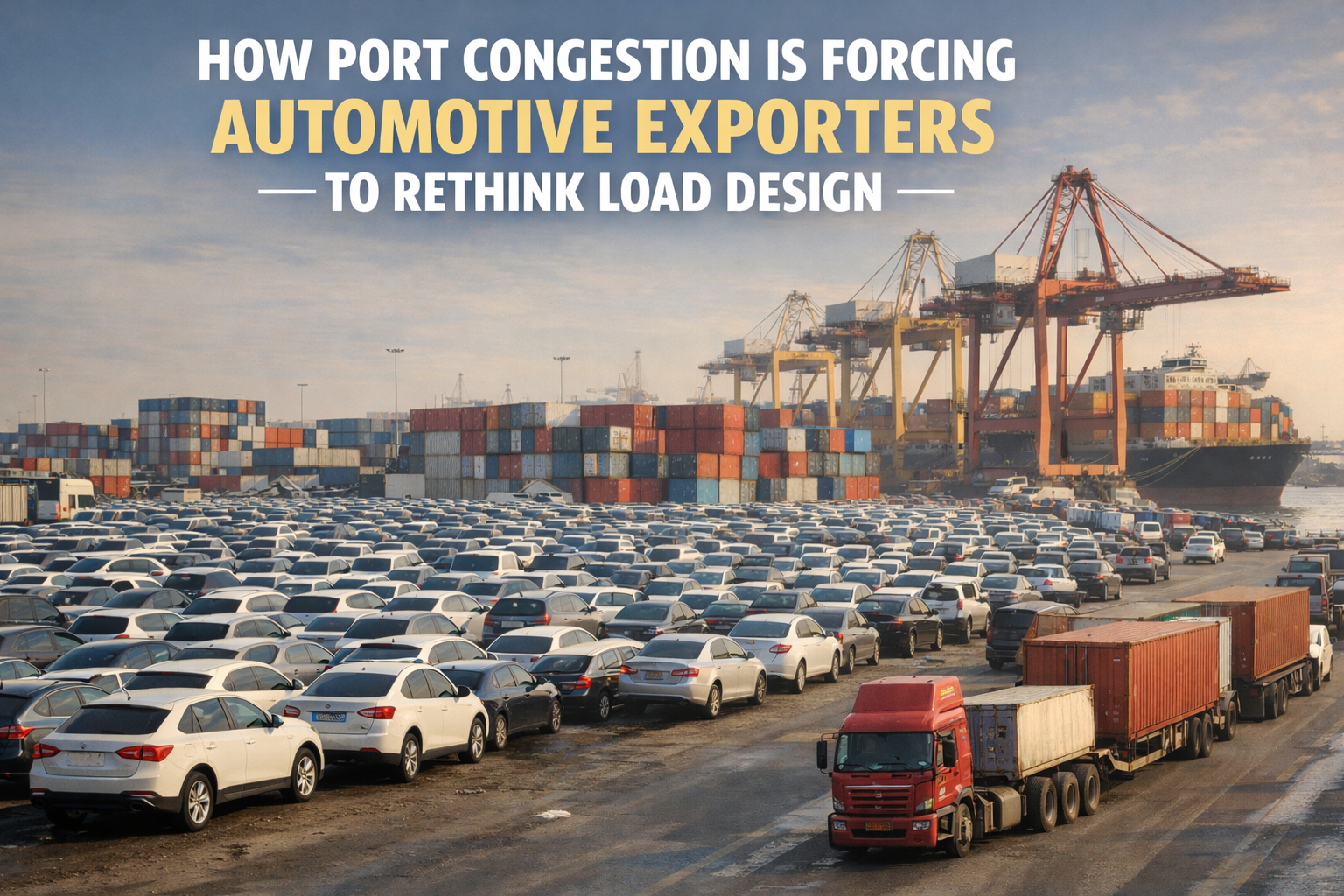
Throughout many UK and European gateways, long dwell times, inspection queues, and long-term berth congestion are shaping how cargo is handled long before it reaches the quayside. For automotive exporters, this pressure is forcing a rethink of how vehicles are prepared, secured, and accessed inside each vehicle container. The critical shift is this: when ports are under strain, anything that slows handling, inspection, or rework becomes a liability. Let’s look at some of the ways that endemic port congestion in Europe (and throughout the world) is driving innovative thinking in load design.

1. Congestion exposes weaknesses in load design
In uncongested, or ‘normal’ port conditions (whatever that means these days!), many loading approaches perform well enough. Containers move quickly enough, inspections are rare enough, and minor inefficiencies are absorbed well enough by wiggle room in the system. Congestion removes that wiggle room. When ports are busy and overcrowded, containers are stacked for longer, handled more often, and inspected with greater frequency. Loads that rely on bespoke fixes, inconsistent restraint, or limited access suddenly struggle. Vehicles may need to be partially unloaded for checks, for instance, or adjustments made under time pressure. An inefficient load design becomes an operational liability in this context.
2. Inspection-readiness is now a port survival skill
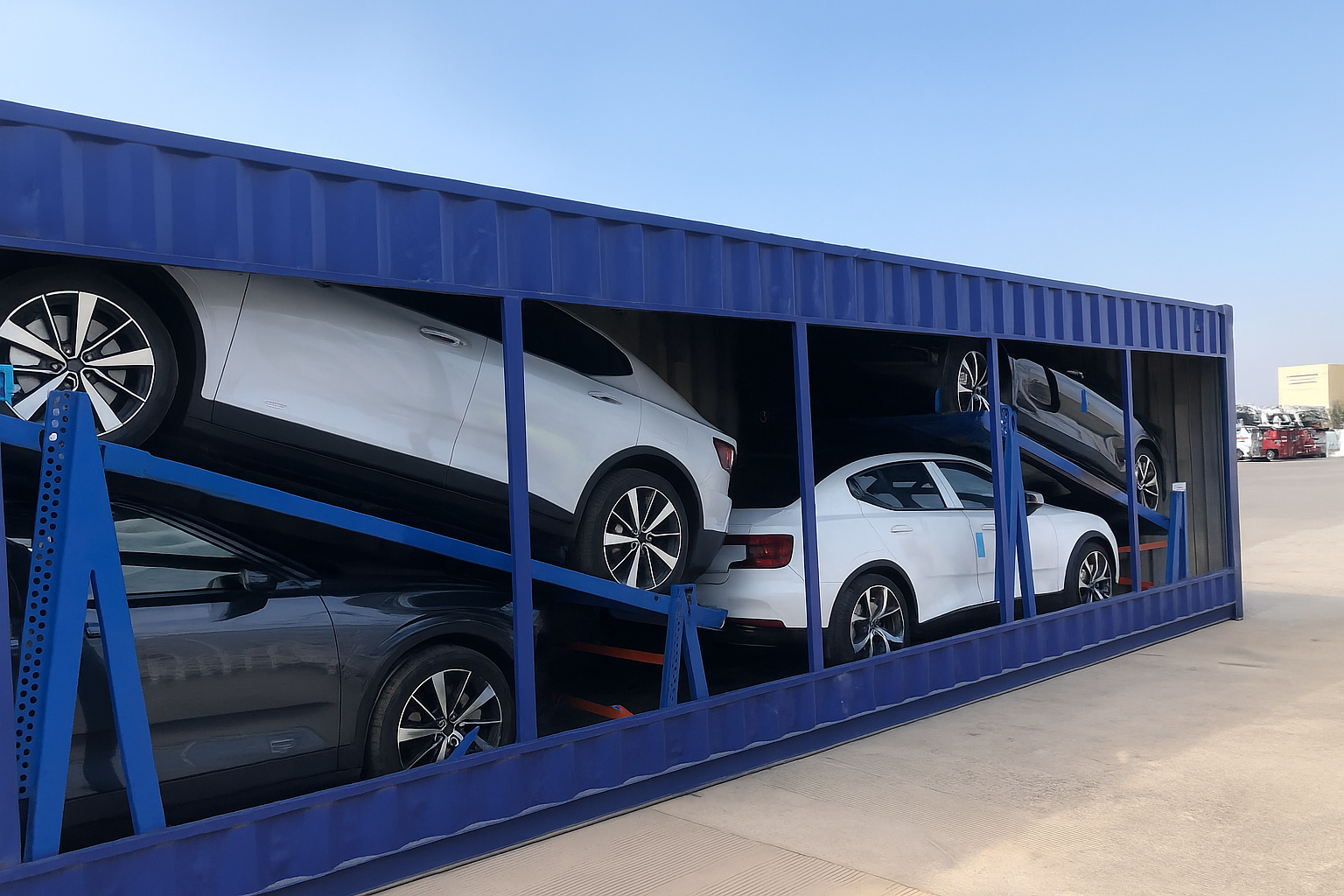
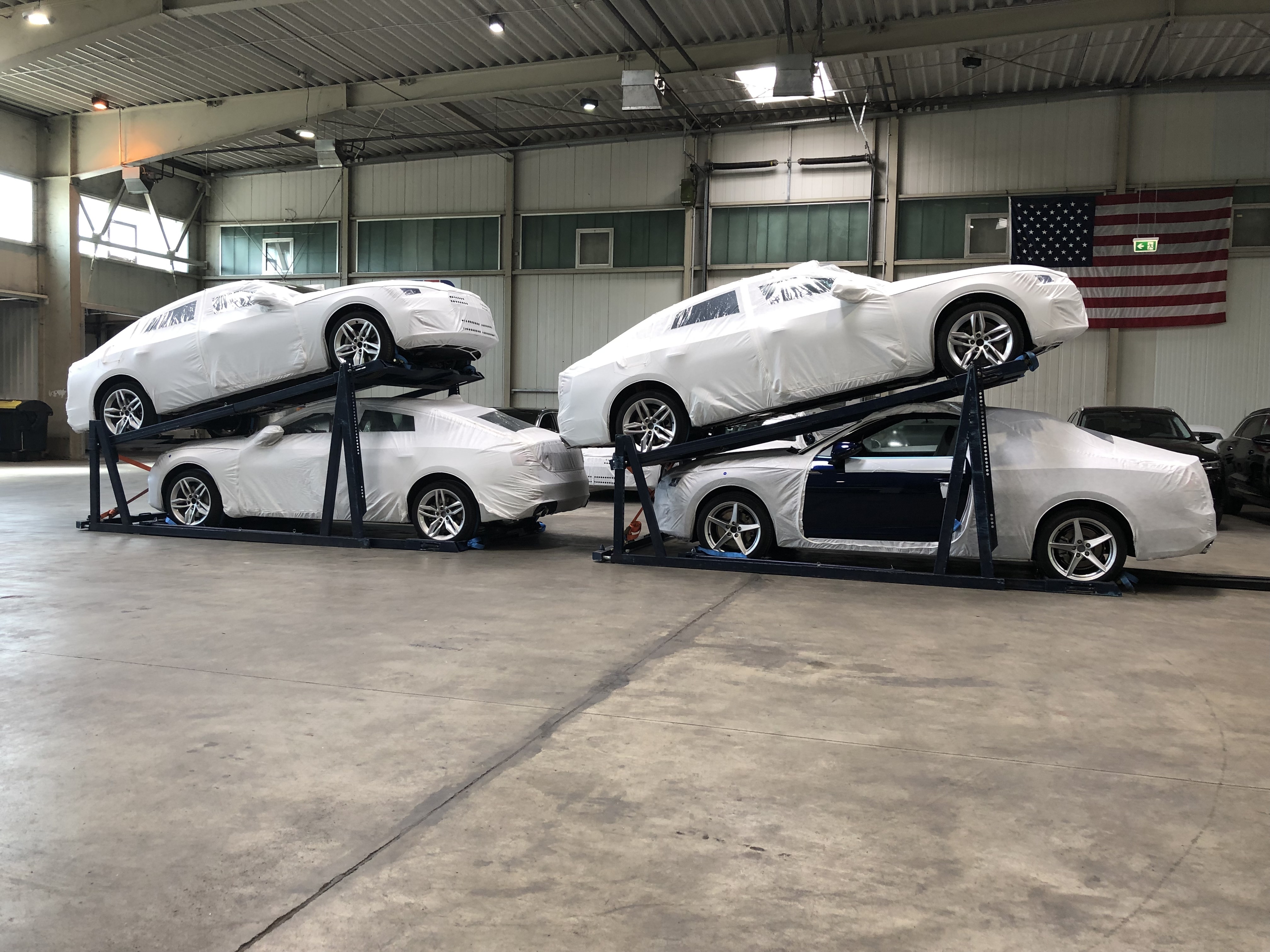
One of the clearest impacts of congestion is the rise in targeted inspections. Authorities and terminal operators need to process high volumes quickly, which increases scrutiny of loads that appear complex, unclear, or difficult to access. For automotive cargo, this puts car loading in container practices sharply under the spotlight. Load plans that prioritise speed at origin but restrict visibility or access at destination can create bottlenecks when inspections are required. Vehicles positioned too tightly, inconsistently restrained, or blocked by ad-hoc packing materials slow the inspection process, and by extension, the entire yard. When investing in a vehicle transport racking system, therefore, the ability to open, check, and reseal a container efficiently is becoming as important as how quickly it can be loaded.
3. Port authorities reward predictability
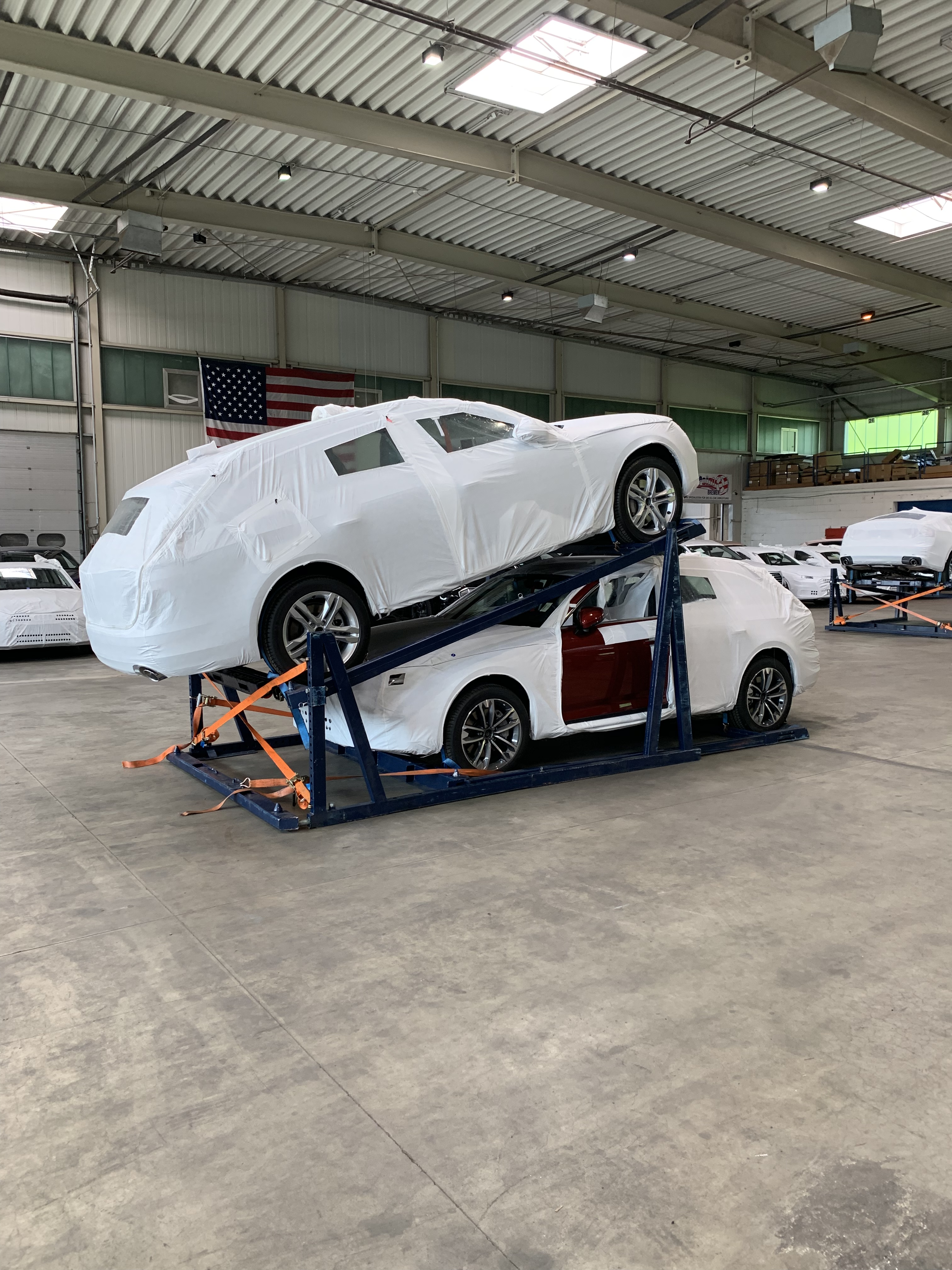
Congested ports favour cargo that behaves predictably, and this means standardised loads that are easier to stack, move, and clear. Variable loads and improvised solutions demand more attention; and attention is scarce when terminals are stretched. This is why many exporters are reassessing the role of vehicle transport racking in the context of port operations rather than transport efficiency alone. Consistent clearances and repeatable loading patterns reduce the need for intervention at the port, even when containers are handled multiple times. The goal here is not to optimise for ideal conditions, but to minimise operational friction under stress.
4. Dwell time magnifies small design decisions
Congestion also increases dwell time in portside depots, and longer dwell time magnifies the consequences of poor load design. Vehicles that shift, settle, or place uneven loads on their restraints over extended periods are more likely to require rework after they are unloaded. For transport businesses, this creates a hidden risk exposure. A container that was ‘acceptable’ at dispatch may no longer be as acceptable after days or weeks in a congested terminal. Loads that maintain their integrity over time, without adjustment, are better suited to today’s port realities. This
is prompting exporters to think beyond initial loading and consider how loads behave throughout the entire port lifecycle.
5. Load design is becoming a port-facing decision
Historically, load design decisions were driven by factory constraints and transport economics. Congestion patterns are subtly shifting that balance, with more exporters asking how their loads will be treated, inspected, and prioritised inside the port environment. That perspective changes vehicle container shipping priorities. Ease of access, clarity of presentation, and consistency across shipments become more valuable than marginal gains in utilisation. A vehicle container that clears inspection quickly and moves without intervention, for instance, is more likely to stay on schedule than one that requires lengthy explanations or adjustments.
Find out more
As global trade volumes grow and port infrastructure struggles to keep pace, exporters must assume that delays, inspections, and handling pressure will remain part of the operating environment for the foreseeable future. In response, load design is moving up the agenda: how vehicles are positioned, restrained, and accessed inside the container now has a larger role in how smoothly they pass through congested ports. Get in touch with Trans-Rak today to discover the benefits of our vehicle transport racking solutions and how they can help optimise your load design.