Finished Vehicle logistics Racking within the European Union (EU) operates within a strong, shared regulatory framework, making the bloc the most integrated automotive market in the world. However, the catch is the transport network itself is far from uniform. The Single Market allows vehicles to move between the 27 member states without customs formalities, yet the practical flow from port to dealer still depends on local infrastructure, workforce availability, road rules, and the structure of individual distribution networks. Read on as we explain the main factors you should be aware of in European multi vehicle transport.

Type Approval And Entry Into The Eu
The foundation of EU vehicle distribution is Whole Vehicle Type Approval (WVTA) under Regulation (EU) 2018/858. Under WVTA, once a vehicle type has been approved in one member state, it can be sold and registered across the EU without further national testing. For vehicles already within the EU, this removes duplication. For instance, a vehicle produced in Germany can be freely distributed into France, Italy, or Poland without additional approval steps.
For vehicles arriving from outside the EU, however, the process is different. Units imported from China, Japan, or the United States must clear customs and demonstrate compliance with EU standards at the point of entry. That includes documentation checks and, where required, conformity verification before vehicles can enter free circulation. This makes the port choice operationally important, as customs requirements and onward transit arrangements can vary from country to country.
Major Ports And Their Role In Distribution
European vehicle logistics is anchored to a small number of high-capacity ports, each with distinct inland connections.
-
Bremerhaven (Germany): the primary gateway for German exports and imports, with strong rail and road links into Central and Eastern Europe
-
Zeebrugge (Belgium): a major hub for Northern Europe, including the UK, Benelux countries (Belgium, Netherlands, Luxembourg), and Scandinavian flows
-
Antwerp-Bruges (Belgium): supports both container and vehicle flows into the continent, useful for supply chains that combine open and containerised transport modes
-
Barcelona (Spain): an important entry point for Iberian distribution and Mediterranean routes, as well as reshipment to African and Middle Eastern markets
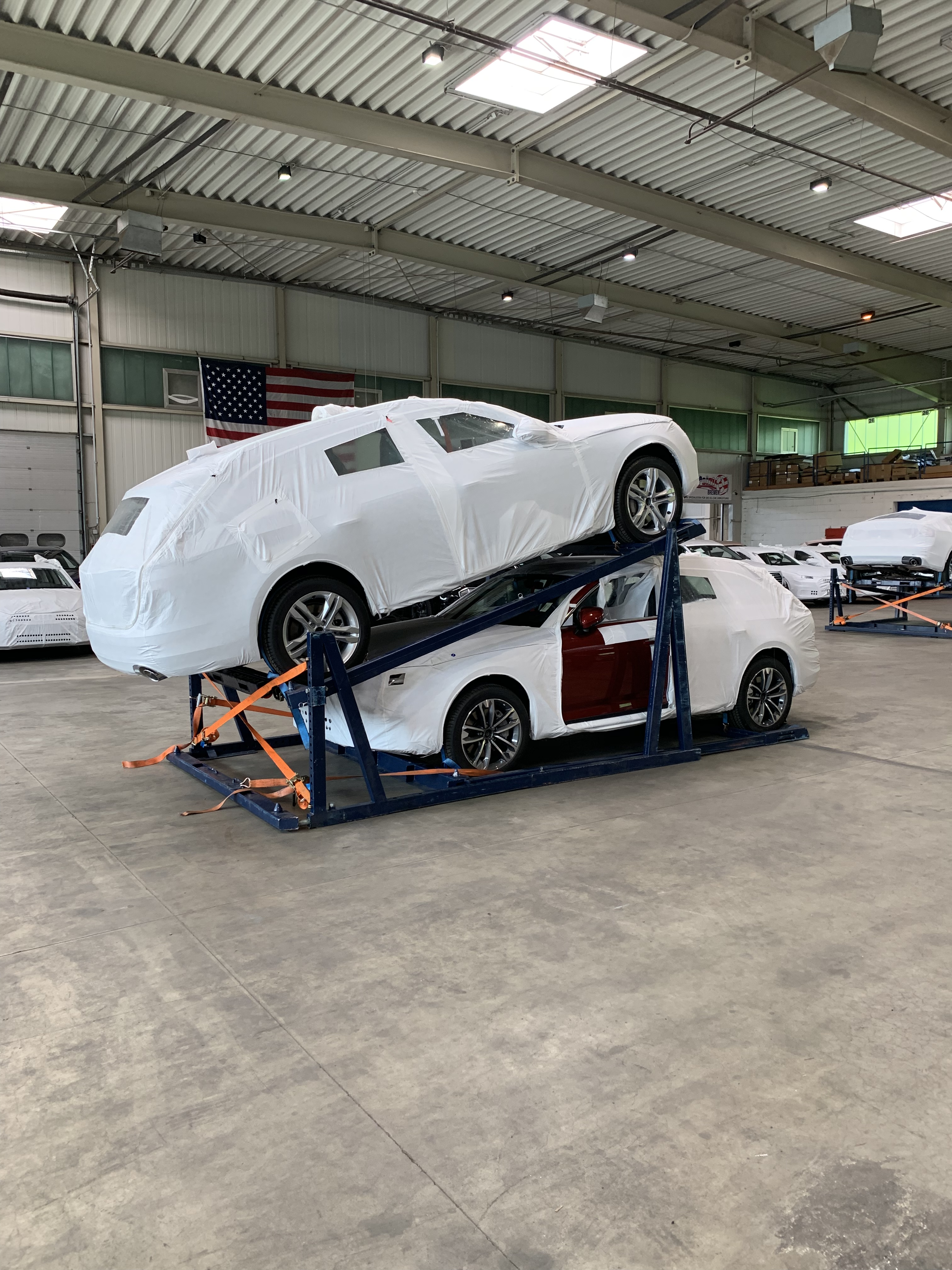
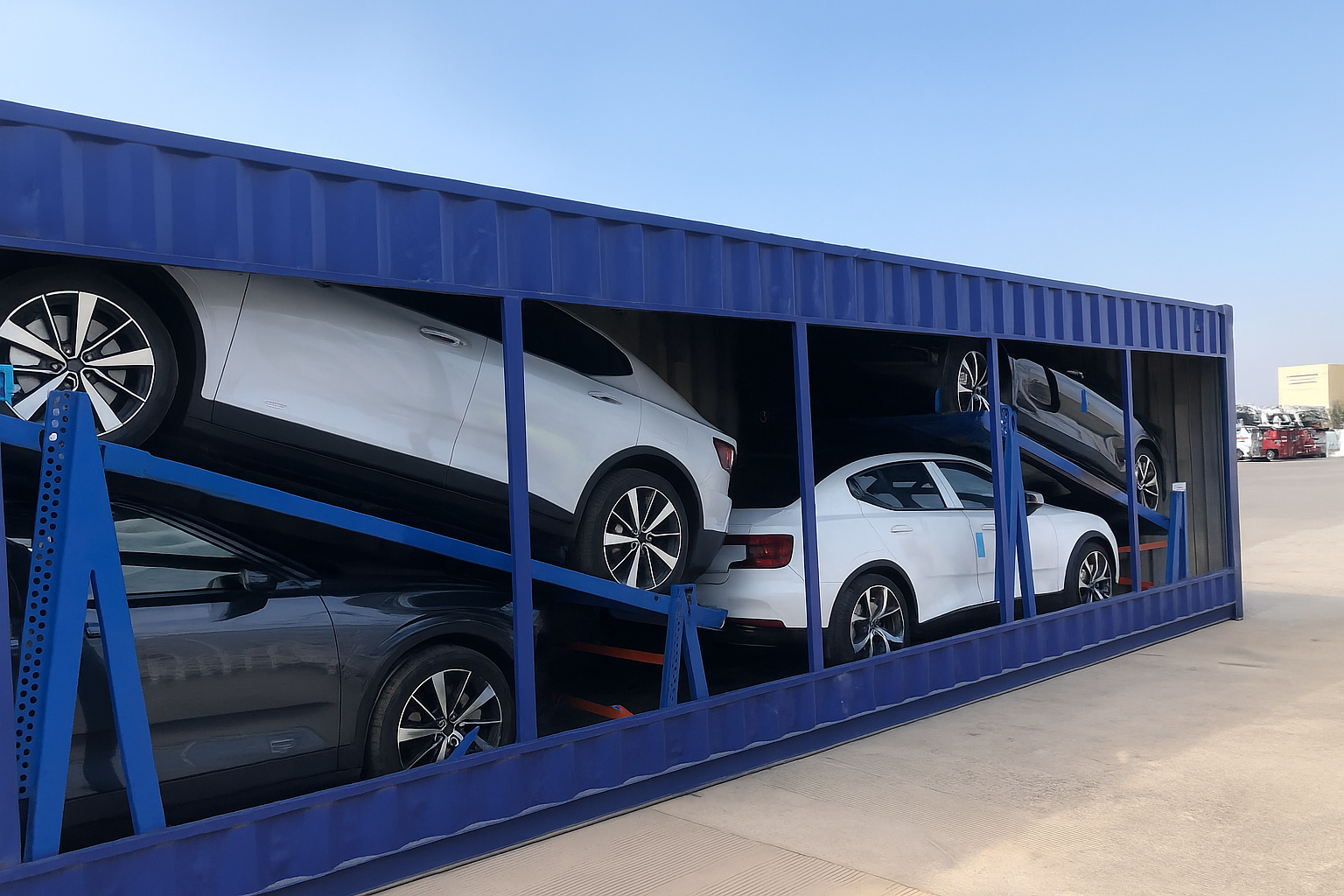
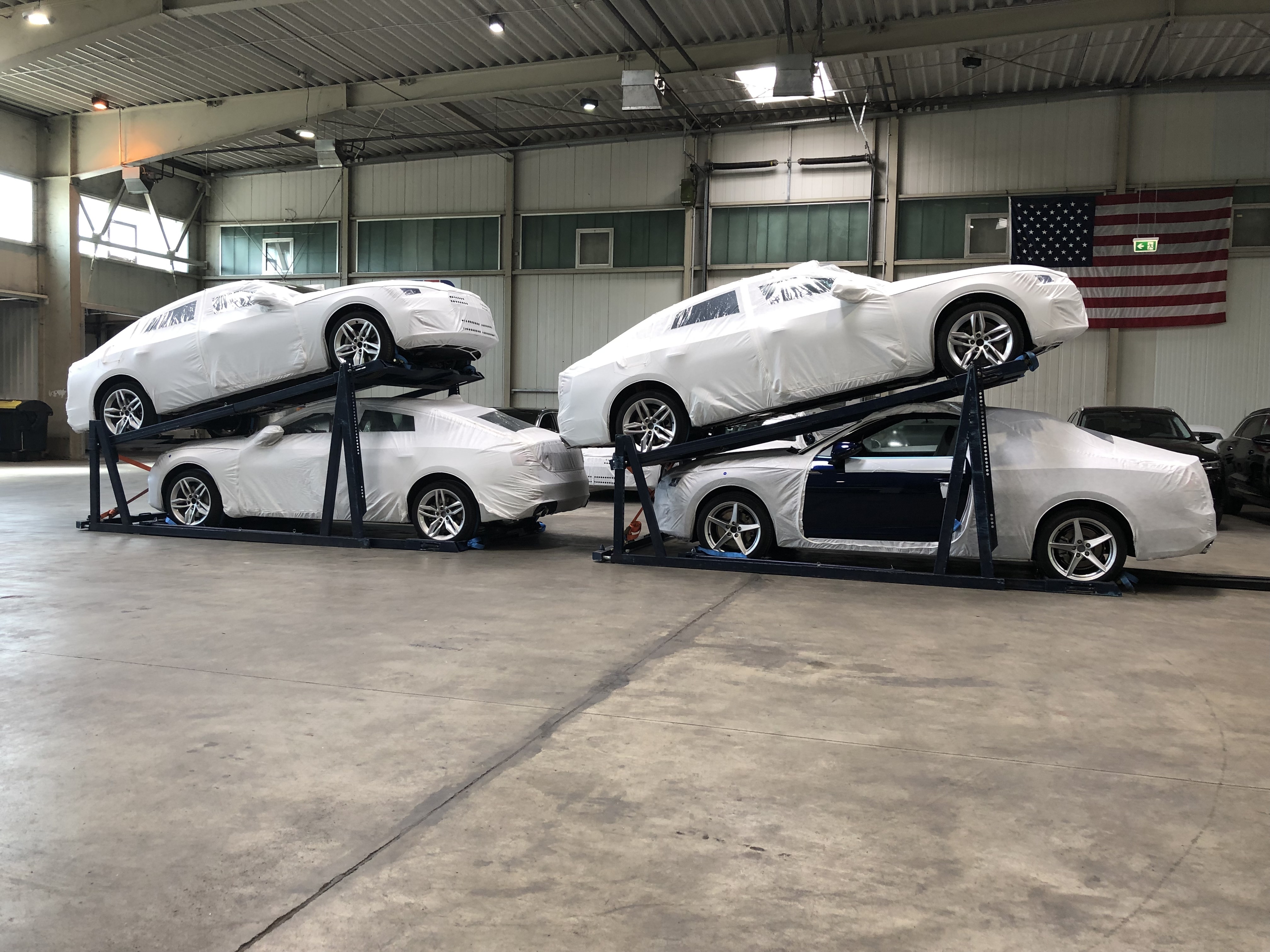
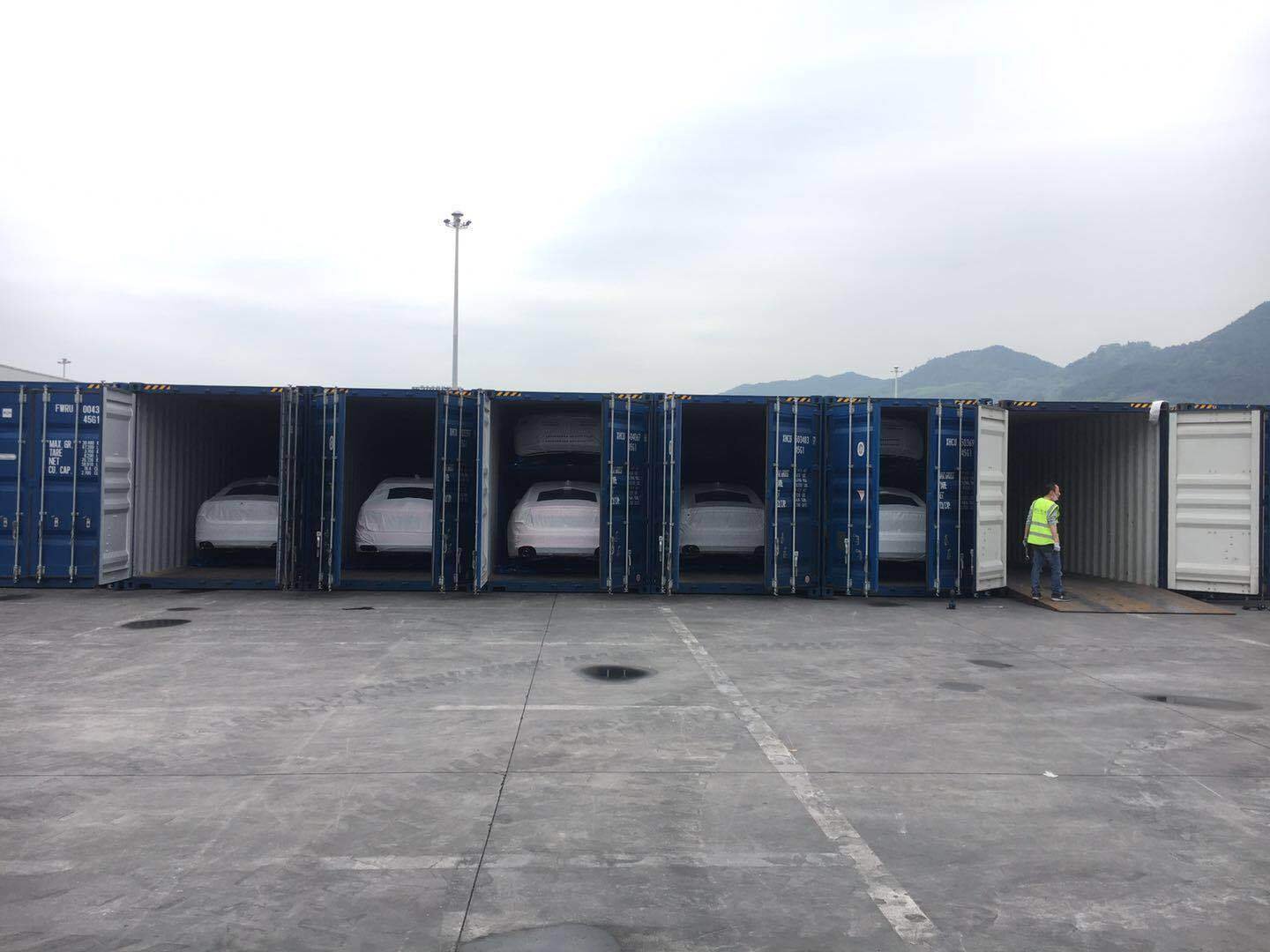
Why your vehicle handling strategy matters?: At large ports and compounds, vehicle handling is standardised around high-volume flows. However, not all shipments follow that pattern. Where vehicles move in containers (in the EU, typically in smaller consignments or on less regular trade lanes), finished vehicle logistic racking can be used to increase the number of vehicles per container. This is relevant where container shipping is used instead of dedicated RoRo vehicle vessels.
Driver hours rules and delivery planning: Road transport is the dominant mode for finished vehicle distribution within Europe, once cargo has successfully cleared customs. This is tightly regulated under Regulation (EC) No 561/2006.
Key limits include:
-
9 hours driving per day, extendable to 10 hours twice per week
-
56 hours maximum per week
-
90 hours maximum over two weeks
-
A 45-minute break after 4.5 hours of driving
-
A daily rest period of at least 11 hours (reducible to 9 hours under certain conditions)
These rules are enforced across the bloc through digital tachographs, which record driving time and rest periods. In practice, this places clear limits on your delivery patterns. A transporter leaving Zeebrugge cannot simply drive continuously into Southern Germany or Northern Italy. Journeys of that length typically require either an overnight stop, or relay planning using multiple drivers or staging compounds. As a result, European automotive distribution networks are often structured around regional compounds within one day’s driving distance of major ports, rather than relying on direct long-haul delivery.
Transporter Dimensions And Loading Constraints
Vehicle transporter design and loading efficiency are governed by a combination of EU-wide and national rules. For example:
Length: Under EU Directive 96/53/EC, the standard maximum length for an articulated vehicle combination is 16.5 metres. However, some countries permit longer combinations under controlled conditions. For example, Germany allows 25.25 metre “Euro-modular” combinations on designated routes. These are not universally accepted by all member states, which means a transporter configured for maximum capacity in Germany may not be able to operate in the same configuration across the border into Austria or Poland.
Height: There is no single EU-wide maximum vehicle height, but in practice, most countries operate around a 4.0 metre limit due to bridge and tunnel clearances. For vehicle transporters, this directly affects how vehicles can be stacked. Carrying taller vehicles such as SUVs or vans reduces the number of units per load if height limits are approached.
Weight: The standard EU maximum gross vehicle weight is 40 tonnes for articulated vehicles. Some countries allow higher limits for specific configurations or domestic operations, but cross-border movements typically need to comply with the standard threshold.
What Next?
Better EU container transport starts with the right equipment. Contact Trans-Rak to find out how our reusable, tested and flexible racking systems can help support safer handling and more efficient vehicle movements across the European Union and globally.
Vehicle logistics across the EU is shaped by a complex mix of regulations, port infrastructure, and regional transport networks. Read our latest blog post to find out how EU vehicle logistics works in practice, with an overview of the regulations, major ports, and transport hubs that underpin efficient distribution.