Vehicle shipping involves multiple handover points, fragmented systems, and high-value assets moving across borders. Documentation gaps, delayed updates, and inconsistent data entry all contribute to reduced visibility. The difficulty faced by many businesses is not just collecting the required data and managing the document chain, but ensuring that every party is working from the same record at the same time.

One of the solutions being implemented in some logistics supply chains is blockchain. In this article, we look at the role of blockchain in vehicle shipping, and how the technology can improve traceability, security, and compliance.
What Is Blockchain?
Blockchain is a type of shared digital record system or ledger where events are logged in sequence and cannot be easily altered after they are recorded. Instead of each party maintaining separate databases, with a blockchain all stakeholders access the same verified records. In a logistics context, this means that inspections, handovers, and movements can be tracked in a single, consistent timeline.
Where Traceability Breaks Down In Vehicle Shipping?
The need for a shared record becomes clear at goods transfer points, where traceability often starts to weaken. For example, when vehicles move between port operators, carriers, depots, and compounds, data is frequently re-entered into separate systems. Even when the underlying information is correct, duplicate entries increase the risk of mismatches between inspection reports, dispatch notes, and arrival records.
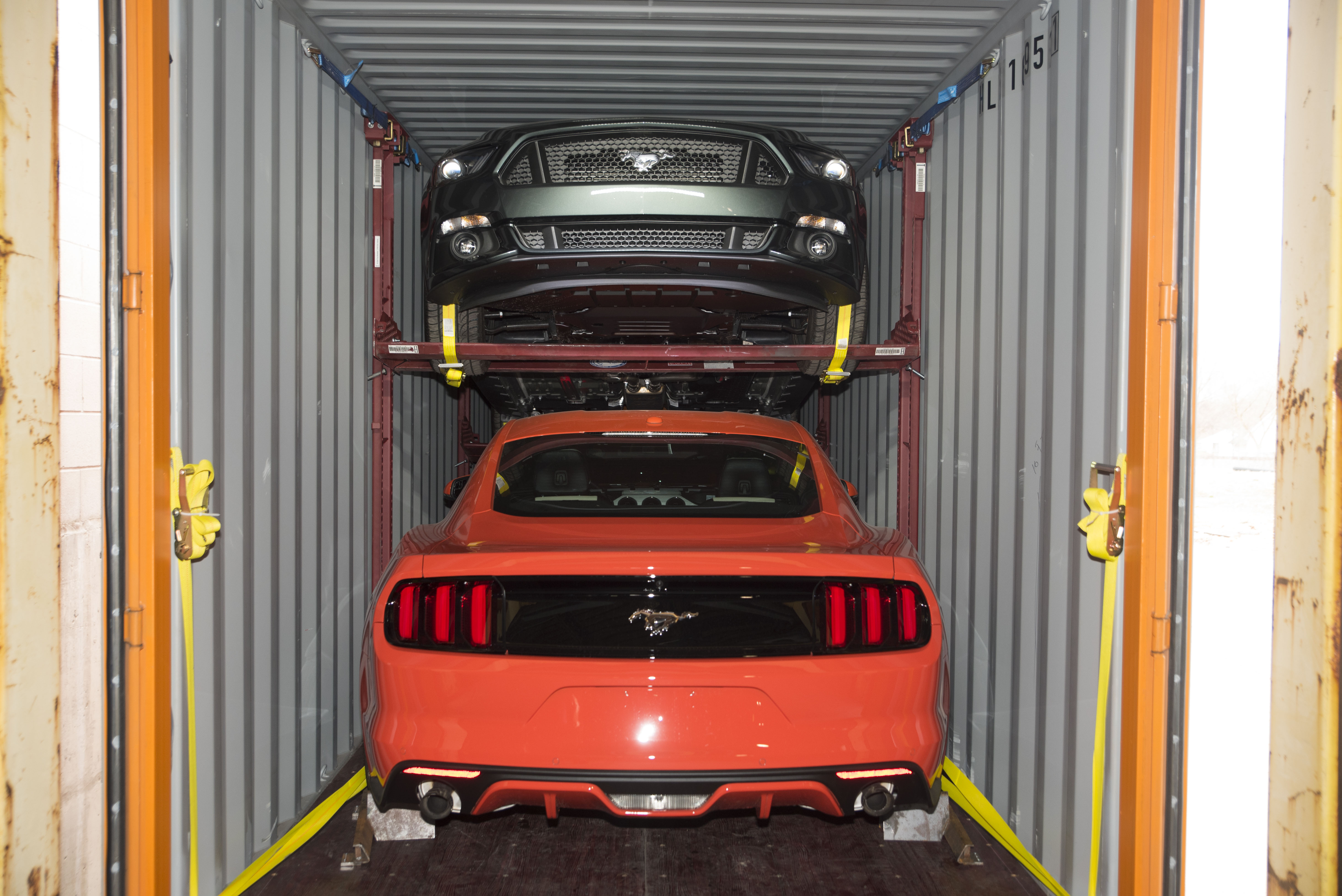
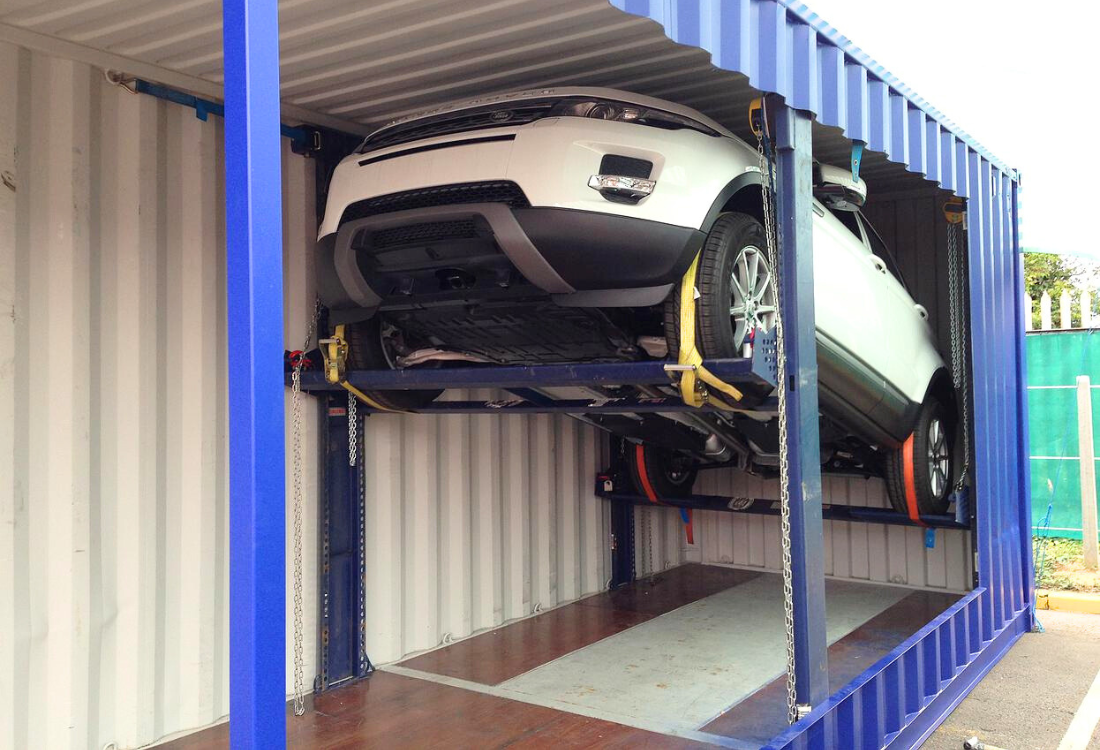
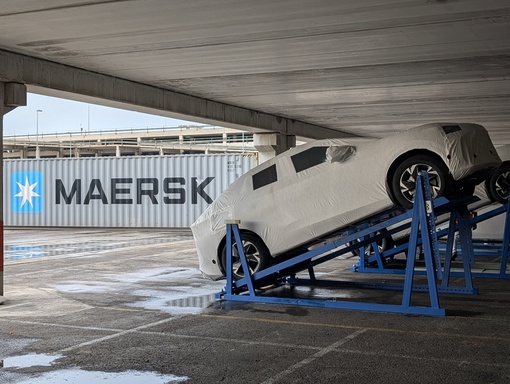
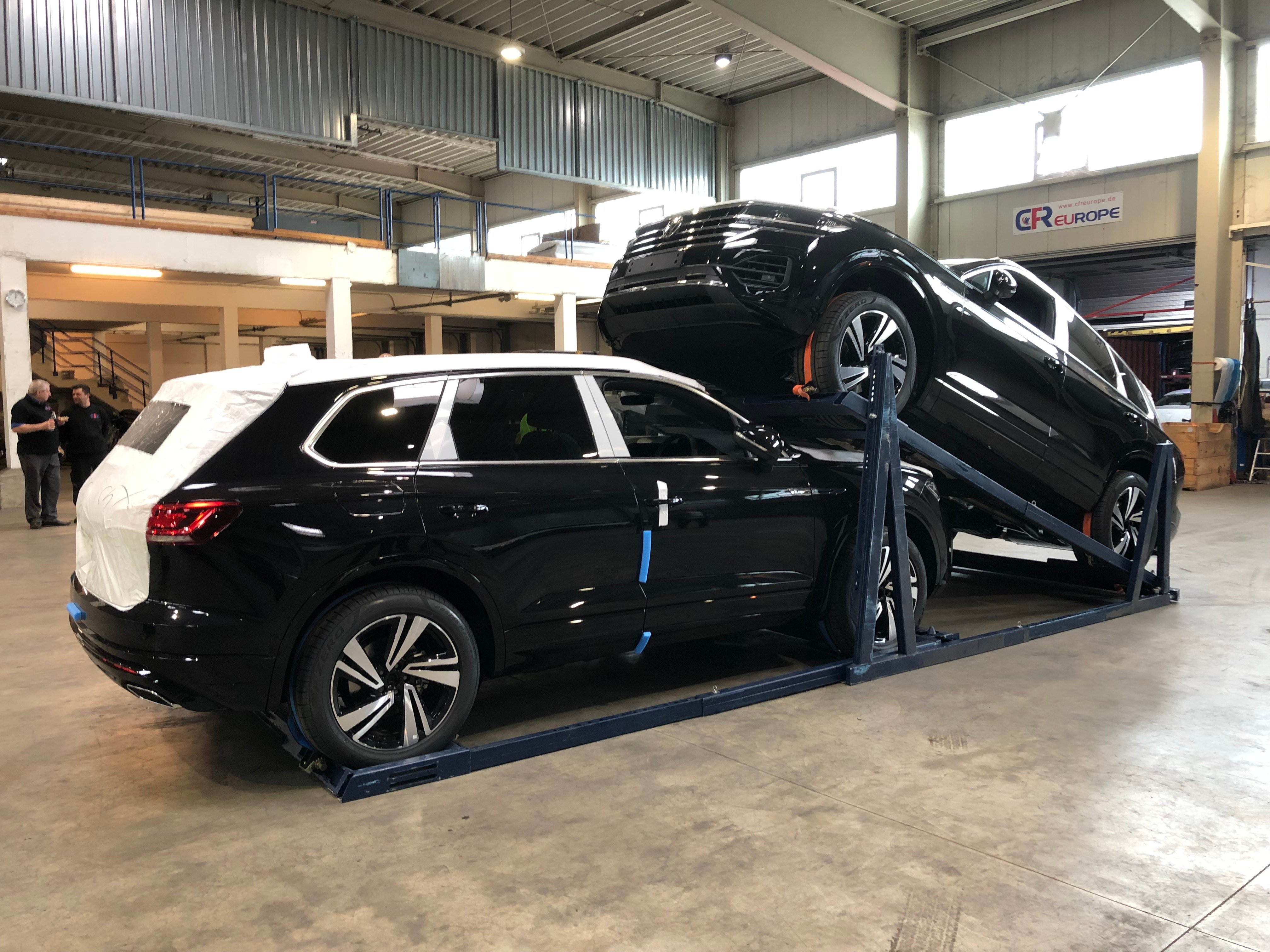
This is particularly relevant when transporting cars in containers. Once vehicles are loaded, sealed, and moved inland, visibility can narrow quickly if container loading records, VIN lists, and condition reports are not aligned. The same issue appears in compounds using finished vehicle logistic racking, where storage movements may not always be recorded in real time. In both cases, gaps emerge not because no data exists, but because the data is fragmented.
How Blockchain Improves Your Shipment Visibility?
Blockchain technology is valuable here because it creates a single ‘version of truth’ that all parties can access. Instead of separate spreadsheets and databases being updated independently, loading, inspection, transfer, and unloading events can all be recorded on one shared ledger. That gives each stakeholder or jurisdiction access to the same version of events at the same time.
For example, a port operator loading vehicles into a container can record VIN-level details, seal numbers, and inspection status at the point of loading. When the container arrives at an inland depot, the receiving team can validate that same record rather than re-entering the information. For operations centred on transporting cars in containers, this reduces version conflicts and makes it easier to identify where delays or discrepancies first appeared.
Security Benefits For High-Value/Luxury Vehicle Movements
Better visibility also has a security benefit. Vehicle shipments are vulnerable not only to physical risk but also to disputes caused by altered or incomplete records. If a condition report is changed after handover, or if a delivery record does not match an earlier inspection, it can sometimes be difficult to establish what actually happened.
A blockchain-based record helps by making those changes visible. Once an inspection, handover, or movement is logged, any later amendment leaves a trace. This is useful at sensitive points such as port exits, bonded storage areas, or cross-border transfer locations. If a vehicle is moved from finished vehicle logistic racking for dispatch, the time, operator, and movement status can all be recorded in a way that is harder to dispute later.
Compliance And Documentation In Cross-Border Logistics
The same principle applies to compliance. Cross-border vehicle shipments rely on consistent customs documentation, including tariff and duty declarations, inspection records, and proof of origin documents. Delays often arise when different parties work from different document versions or when records cannot be verified quickly.
By linking all your documentation to the same shared ledger, blockchain can reduce that friction. Customs authorities, carriers, and receiving facilities can all refer to the same shipment record rather than reconciling separate files. This can speed up the release of containerised vehicles at inland terminals, particularly when supporting records have already been validated upstream.
Implications For Containerised Transport And Racking Systems
Blockchain has practical value for both container operations and storage systems. When transporting cars in containers, loading layouts, restraint methods, and vehicle positions all effect how smoothly unloading and onward handling take place. If those details are attached to the shared blockchain record, the receiving site can prepare more accurately before the container arrives. This reduces the need for manual reconciliation between yard management, shipping, and inspection systems.
The Challenges And Limitations Of Blockchain Adoption
This said, blockchain does not solve weak logistics processes on its own. If inspections are incomplete or handling events are not recorded properly, the ledger will still reflect poor input. The technology improves record integrity, but it does not replace operational discipline. Integration is another constraint. As port operators, OEMs, shipping lines, and customs authorities often use different systems, aligning them will require standardisation and investment at a global level – something which is largely missing at present. For many businesses, adoption is therefore more likely to begin in specific high-risk or high-complexity areas than across the whole network.
Next Steps
Every vehicle transport operation is different. Get in touch with Trans-Rak to discuss your requirements and find out which racking system can deliver the right balance of safety, flexibility and long-term value.
Digitalisation in vehicle shipping is not only about speed, but also about creating more secure and verifiable supply chain records. Our new article explores how blockchain can improve traceability, strengthen data security, and support more consistent compliance across your vehicle shipping operations.