It is easy to assume that the cost comparison between car containerisation and roll on roll off car shipping begins and ends with the shipping rate. In practice, that is only one part of the picture. The true cost per vehicle is shaped by a wider set of factors, some visible at quotation stage, others only emerging once the movement is planned in operational detail. Hidden cost factors include how effectively space is used, how many handling steps are involved, and how well the chosen mode fits the route.

For example, a lower unit freight rate may not always translate into a lower overall cost if your vehicles are moved in partially filled shipments, require additional inland repositioning, or incur higher handling charges at port. Conversely, a higher apparent rate may be offset by more efficient loading or fewer intermediate movements. For this reason, comparisons that focus solely on freight tend to obscure the factors that determine the actual cost outcome.
Read on as we break down the main costs you’ll need to consider.
1. Freight Cost
In roll on roll off car shipping, pricing is typically linked to vehicle size and volume commitments. This can work well where flows are consistent and shipments are large enough to align with sailing schedules. In car containerisation, on the other hand, pricing is tied to container units rather than individual vehicles. This changes the calculation: the cost per vehicle now depends on how many vehicles can be loaded into each container, and how consistently that capacity is used.
2. Utilisation And Load Efficiency
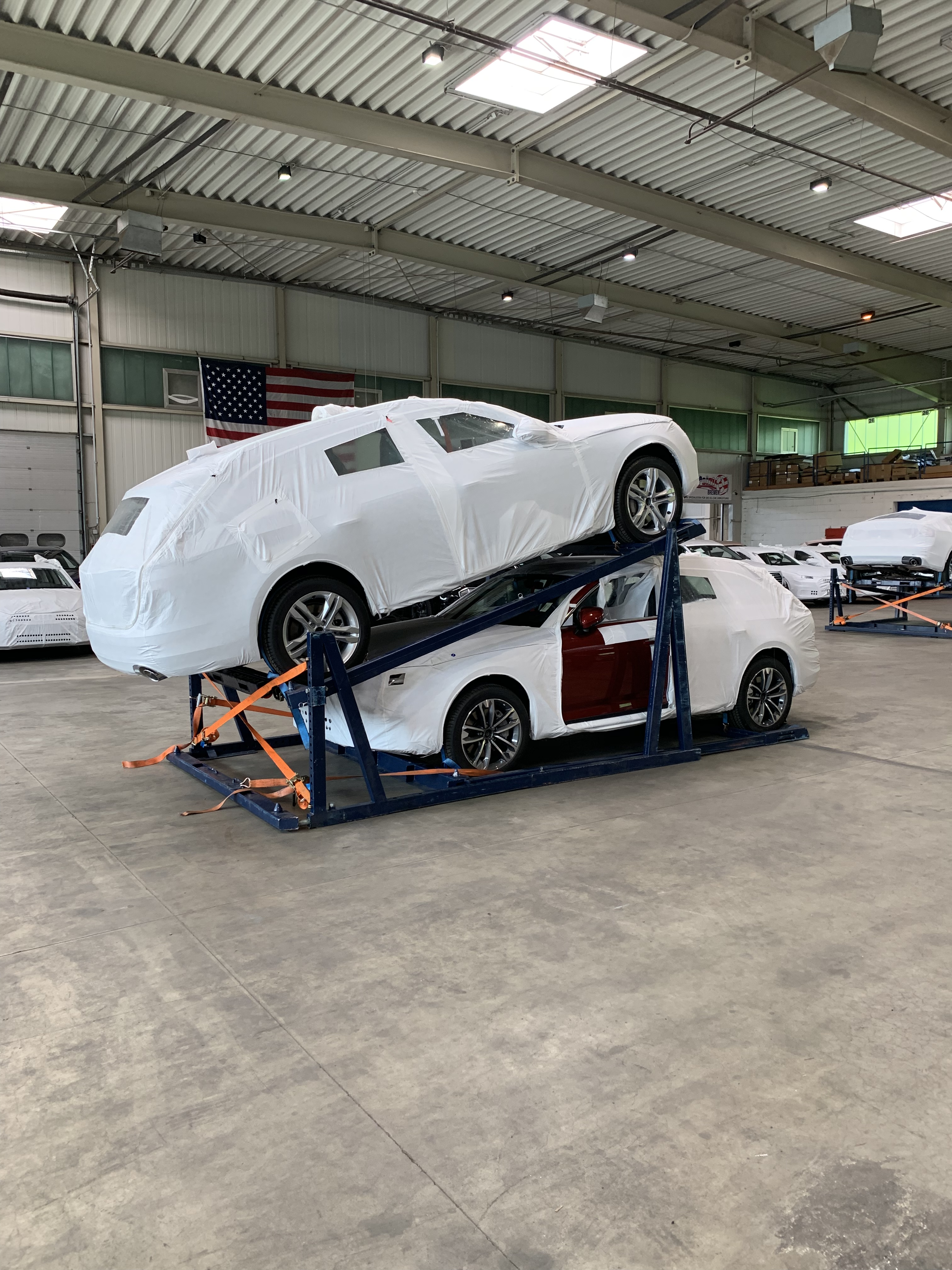
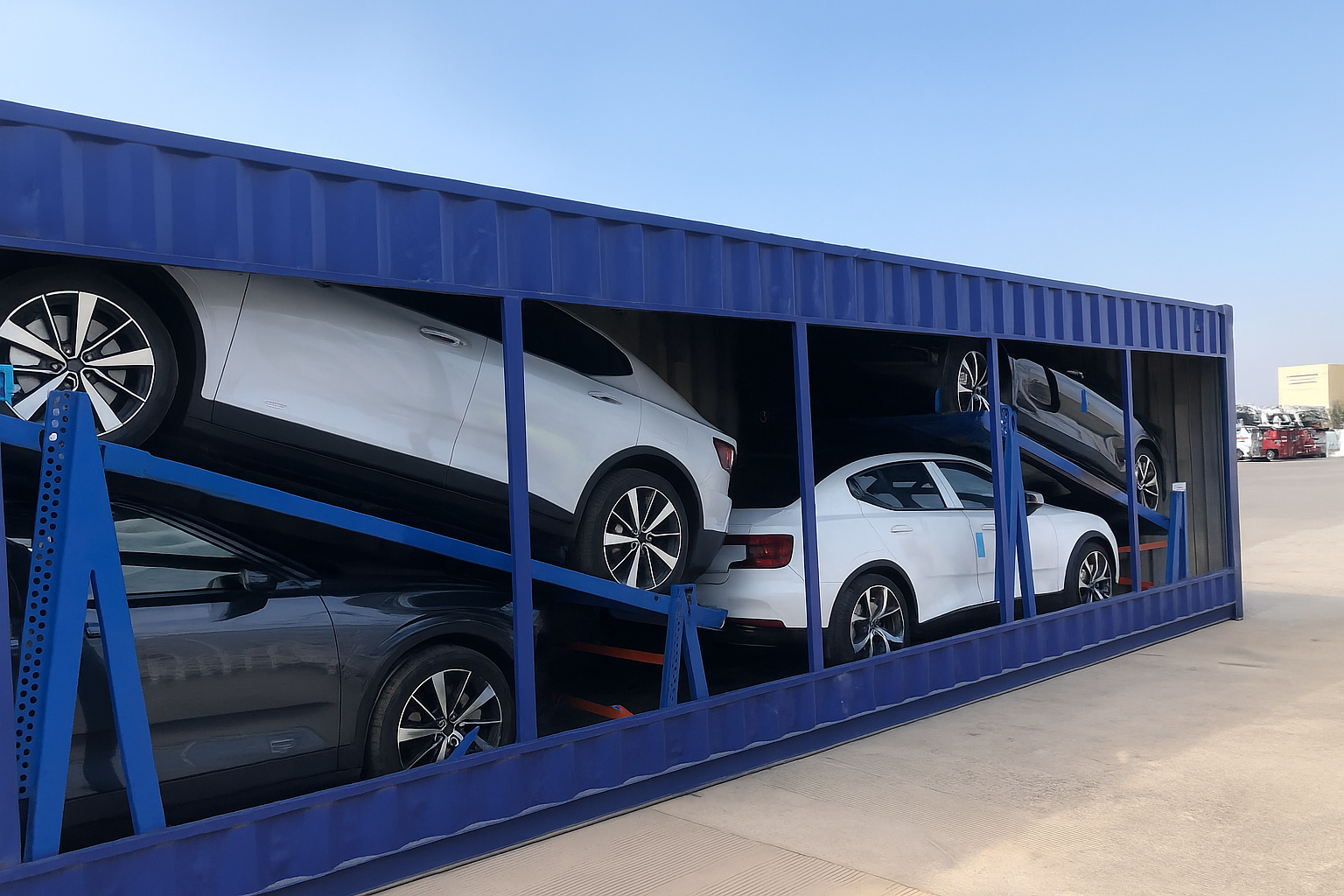
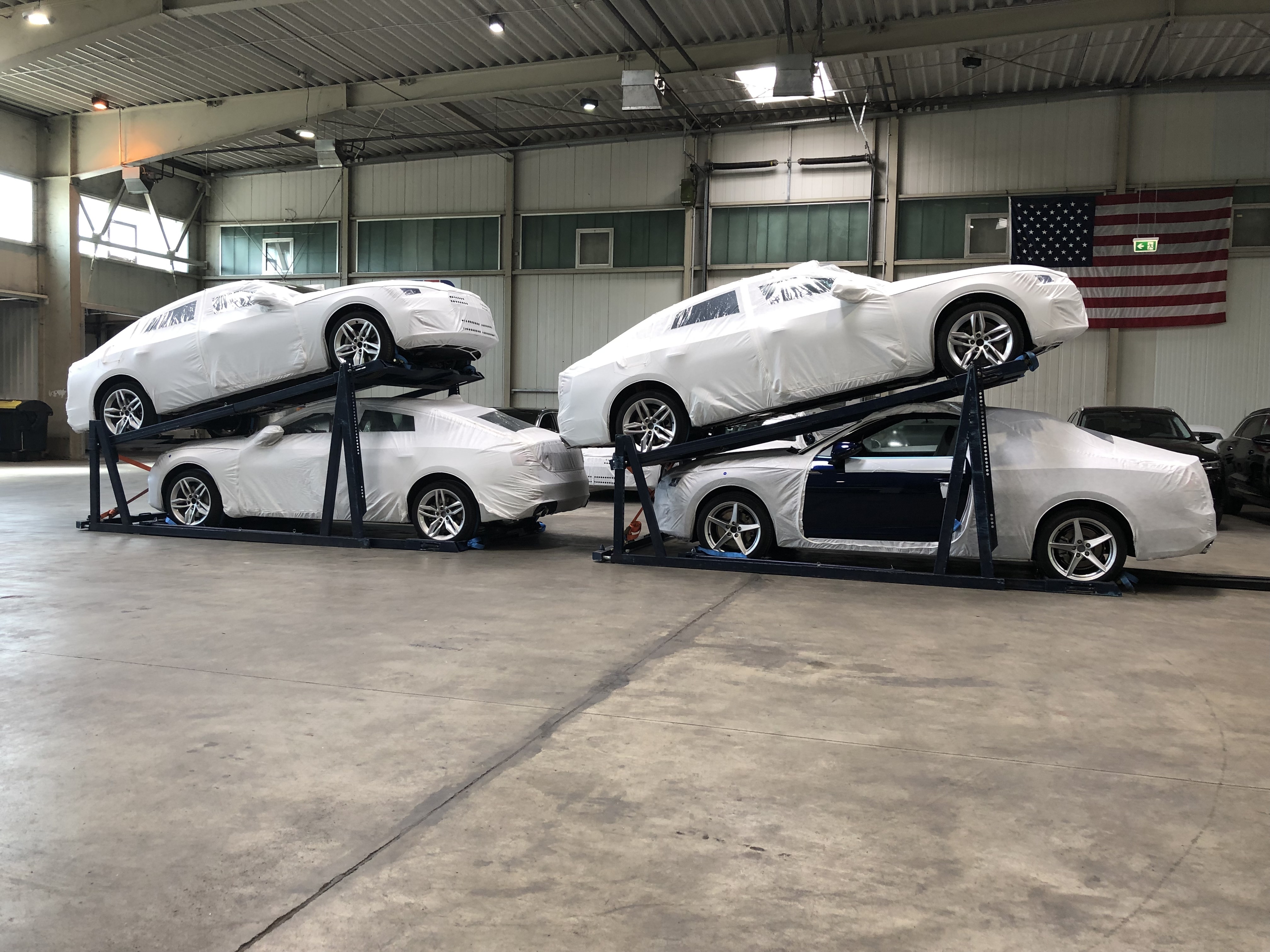
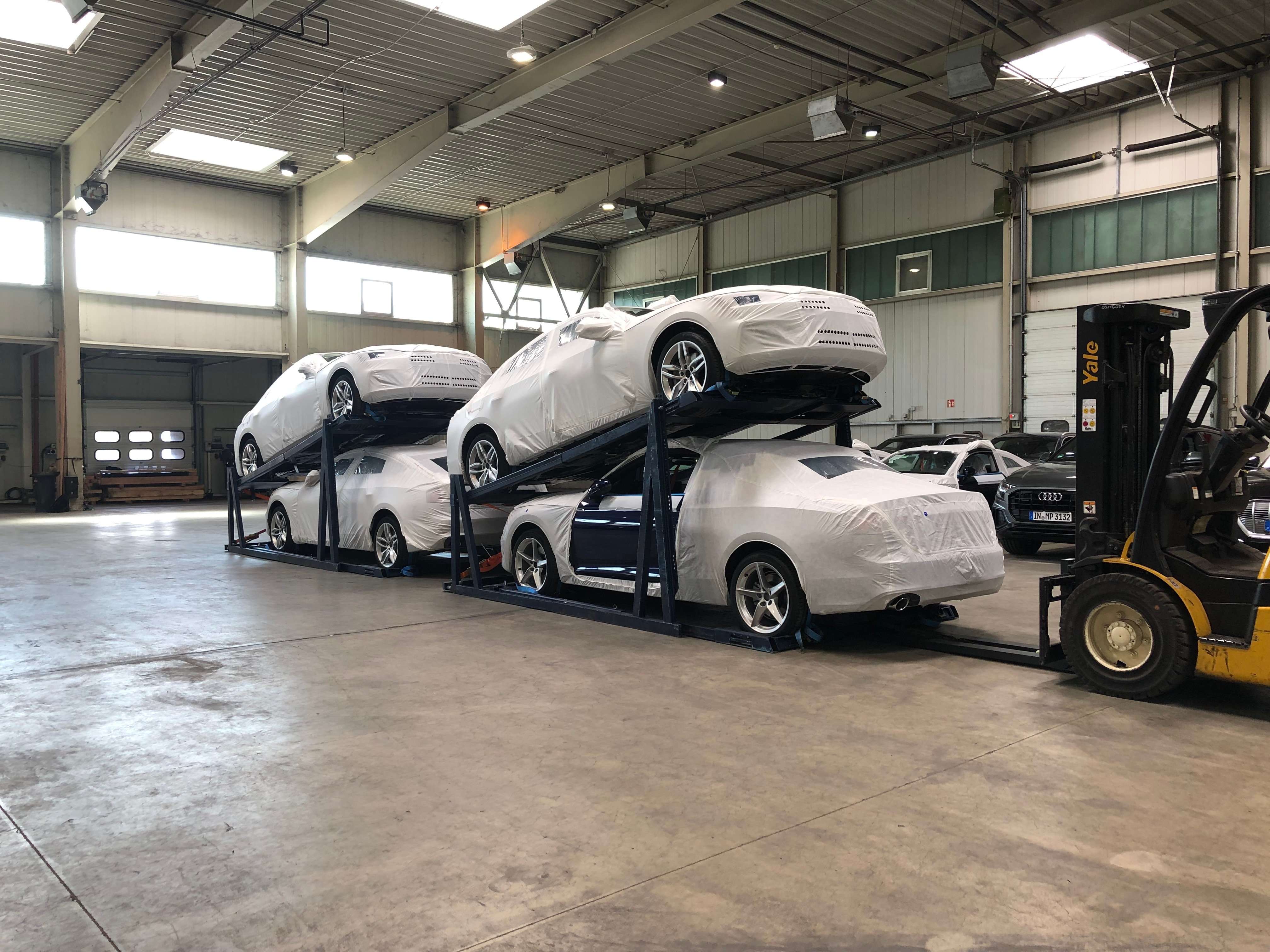
Utilisation is one of the most significant variables in container-based transport. If a container is not fully utilised, the cost per vehicle increases directly. Loading systems such as our in-container racking solutions are designed to maximise capacity by enabling efficient multi-level loading across a wide range of vehicle types. This flexibility allows operators to maintain high utilisation levels while accommodating mixed or varied consignments.
In contrast, roll-on/roll-off car shipping manages utilisation at the vessel level rather than the individual shipment level, which can help absorb variation across different loads.
3. Port And Handling Costs
Port capability and handling requirements also affect cost. RoRo operations depend on access to suitable terminals and equipment. Where these are available, handling is relatively straightforward most of the time. Where they are not, additional steps or alternative routing may be required.
Container shipping can provide access to a wider range of ports, but this may also involve additional handling, including loading and unloading within specified terminals. These steps introduce both cost and operational considerations, particularly where portside labour or equipment availability varies between regions.
4. Inland And Routing Implications
Your routing choices influence inland transport costs and overall transit efficiency. As RoRo services are tied to specific port networks and sailing schedules, this option can be efficient for established routes, but is less flexible when destinations fall outside those established networks.
As mentioned, container shipping may open up different port options, but the market advantage depends on what happens to your stock after arrival. The relevant question is not simply which port can be reached by container ship, but which routing pattern produces the lowest overall cost once inland transport, transshipment, and timing are taken into account.
5. Risk-Related Cost
Damage and security considerations can also affect your costs, although their impact varies by route and handling conditions. Containerised shipments provide a closed environment, which can significantly reduce risk exposure during transit. RoRo shipments, on the other hand, involve open-deck or enclosed deck handling, depending on the vessel type, with different risk profiles on different routes. This makes risk evaluation difficult to standardise when using RoRo, whereas with container shipping the risk level and associated costs can be predicted with a good level of certainty. Any cost comparison should consider not only the likelihood of damage or loss, but also the implications for insurance, claims handling, and operational disruption.
Where Each Model Makes More Sense?
Roll-on/roll-off car shipping is well suited to high-volume, stable flows between ports with established vehicle handling infrastructure, offering predictable scheduling and streamlined operations in the right environments.
Car containerisation, however, brings a different set of strengths that make it a highly versatile and forward-looking solution. It enables scalable shipping, allowing businesses to move vehicles efficiently even when volumes are smaller or more variable, without needing to wait for full vessel loads. Car containerisation also enables multimodal transport, meaning a loaded container can move by sea, rail, and road without the vehicles inside needing to be handled again once they have been loaded. This flexibility supports more responsive supply chains and can reduce inventory pressure.
These are not fixed categories, of course. The same trade lane may sometimes support both models, depending on your shipment size, timing, and operational constraints.
Find Out More
Trans-Rak helps operators improve containerised vehicle transport with a range of innovative racking systems adaptable to most automotive logistics models. Contact the team today to find out how the right solution can support your vehicles, volumes and handling processes.
For vehicle movements, the choice between container shipping and RoRo should be based on the total landed cost, not assumption or convention.
Join us as we compare both methods using a structured cost analysis, including utilisation, handling requirements, risk factors, and the wider impact on transport planning.